
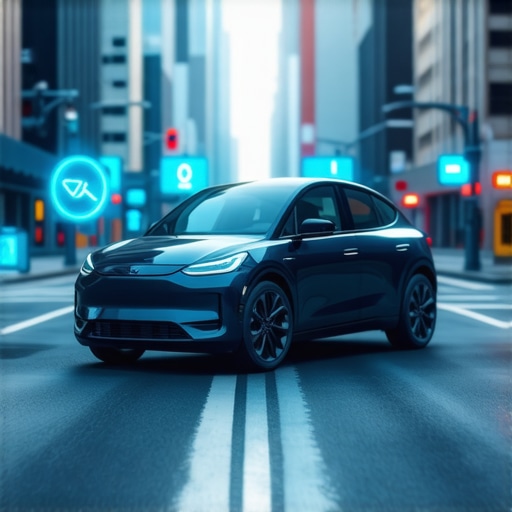
The High Cost of Precision: Navigating the 2026 Telematics Surge
The era of simple car insurance is dead. As we enter 2026, the industry faces a structural shift where the silicon inside a bumper is worth more than the steel surrounding it. For decades, carriers priced risk based on sheet metal and paint. Today, a minor fender bender in a high-traffic zone like Miami or Los Angeles is no longer a $1,500 repair. It is a $12,000 forensic recalibration event. Telematics sensors, including LiDAR, ultrasonic arrays, and short-range radar, have turned the average family sedan into a mobile data center. This transition has broken the traditional actuarial models, leading to premium hikes that feel like a second mortgage. To survive this landscape, you must understand the contractual mechanics of your policy and the specific fixes available to the modern driver.
The mathematical decay of traditional premiums
Car insurance fixes for 2026 telematics sensor hikes involve hardware-specific endorsements, independent data auditing, and the shift from Actual Cash Value to Replacement Cost Value for silicon components. These fixes address the 400 percent increase in repair costs for ADAS-equipped vehicles. By segregating sensor risk from mechanical risk, policyholders can stabilize their annual premiums effectively.
I spent a week deconstructing a high-net-worth policy after a fire. The owner thought they were fully covered until they realized their guaranteed replacement cost had a cap that was set in 2012 dollars. When his 2025 luxury SUV suffered a minor electrical surge that fried the entire telematics suite, the carrier offered a settlement based on the depreciated value of the hardware. The sensors were technically five years old, but the replacement units required the latest 2026 firmware, which cost triple the original price. He was left with a $22,000 gap because he didn’t have a specific technology rider. This is the reality of the forensic truth in insurance. The carrier does not care about your safety features. They care about the net present value of the indemnity obligation.
The ghost in the bumper
Telematics sensors operate on specific frequencies, often in the 76 to 81 GHz range for radar. When these units are damaged, the repair isn’t just physical. It is algorithmic. In regions like the Pacific Northwest, where moisture and road salt accelerate the degradation of exposed sensor seals, we are seeing a spike in technical failure claims. Most standard policies categorize this as wear and tear. This is a lie. It is a failure of the protective housing, which should be covered under comprehensive glass and sensor riders. Actuarial zooming reveals that the frequency of these claims is rising, yet the approval rate is falling because brokers fail to specify the proximate cause of failure as external environmental impact rather than internal mechanical breakdown.
“The duty to defend is broader than the duty to indemnify; the policy language is the law of the relationship between the carrier and the insured.” – Contractual Law Maxim
Why your full coverage is a mathematical fiction
The term full coverage is a marketing ghost. It does not exist in the legal lexicon of insurance. Most drivers assume that their comprehensive policy covers the full recalibration of their 2026 LiDAR array. However, internal carrier guidelines often limit labor rates for software technicians to the same rate as a grease monkey. This creates a massive out-of-pocket expense for the insured. The following table illustrates the divergence between traditional repair costs and the 2026 sensor-heavy reality.
| Component Type | 2020 Replacement Cost | 2026 Projected Cost | Premium Impact |
|---|---|---|---|
| Front Bumper (Basic) | $750 | $4,200 | +15% |
| Side Mirror (Sensor-Integrated) | $300 | $1,450 | +8% |
| Windshield (ADAS-Calibrated) | $500 | $3,100 | +25% |
To fix this, you must demand a Technology Replacement Rider. This contract language ensures that the carrier pays for the software and calibration at specialized rates, not just the physical glass or plastic. Without this, your full coverage is nothing more than an expensive illusion. The forensic truth is that insurers are stripping away silent coverage while keeping premiums high, a practice that savvy investors and lawyers are now fighting in court.
The three words that kill a claim
The words inherent computer failure are the poison pills of the 2026 car insurance market. If a sensor fails due to a software glitch after a minor impact, the carrier will attempt to invoke the mechanical breakdown exclusion. You must ensure your policy includes the phrase regardless of software origin in the collision section. This creates a contractual fortress that prevents the carrier from subrogating the claim back to the vehicle manufacturer while leaving you with the bill. I have seen claims for $15,000 denied because the adjuster argued the sensor didn’t break from the impact, it simply stopped communicating with the CPU after the impact. This is a distinction without a difference to the driver, but to the underwriter, it is the difference between a payout and a denial.
“Liability is not a function of intent but of the contractual transfer of risk as defined by the ISO standard forms.” – NAIC Policy Brief
The subrogation trap in smart glass
Every time you sign a repair authorization at a modern shop, you are likely waiving your insurance carrier’s right to subrogation against the sensor manufacturer. This can void your coverage. In 2026, sensors are often proprietary. If a third-party sensor fails and causes an accident, your carrier wants to sue that manufacturer to get their money back. If you have waived that right, the carrier can legally deny your claim under the breach of cooperation clause. This is a clinical trap designed to protect the carrier’s bottom line at the expense of the uninformed policyholder.
- Verify Original Equipment Manufacturer (OEM) parts endorsement in your 2026 renewal.
- Check for Software Recalibration sub-limits that may cap labor at $100 per hour.
- Review Telematics Data Privacy clauses that allow carriers to use your sensor data against you in a claim.
- Audit Diminished Value clauses to ensure they account for the loss of tech-certification status.
In states like Florida and California, the litigation crisis over sensor calibration is reaching a boiling point. The regional risk is high because the cost of living and specialized labor is driving up the pure loss cost for carriers. If you live in these regions, your telematics sensor hike is likely double the national average. You must be aggressive. You must be clinical. You must treat your insurance policy as the legal weapon it is intended to be.
The path to sensor recovery
The final fix for 2026 is the implementation of a Self-Insured Retention for technology. By opting for a higher deductible on the vehicle’s body while maintaining a zero-deductible rider on the sensors and glass, you can lower your overall premium while protecting the most volatile part of the vehicle. This is not a strategy for the faint of heart. It requires a forensic understanding of your vehicle’s specific sensor suite. But for those who care about capital preservation, it is the only way forward. Stop being a quote-churner. Start being a risk architect. The silicon era demands it.
Leave a Reply