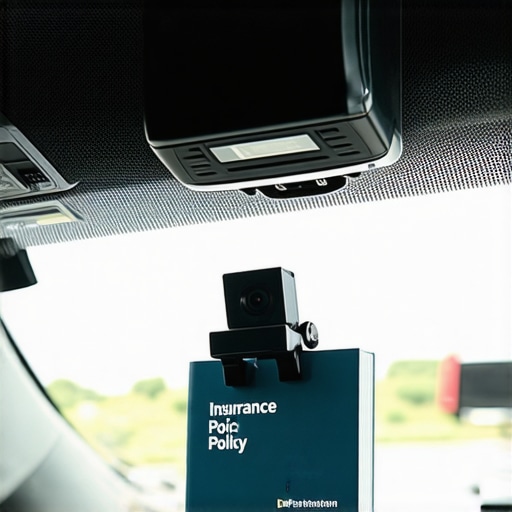
The phantom coverage of aftermarket electronics
To cover dashcam equipment under car insurance, you must declare the device as a Custom Parts and Equipment (CPE) modification or purchase a specific endorsement for non-factory installed hardware. Standard policies often exclude portable electronics, meaning coverage requires the device to be permanently bolted or hardwired to the vehicle chassis.
I spent a week deconstructing a high-net-worth policy after a total loss fire. The owner thought they were fully covered until they realized their guaranteed replacement cost had a cap that was set in 2012 dollars. This same forensic failure happens every day with dashcams. Drivers install a four hundred dollar 4K recording system and assume it is part of the car. It is not. To an underwriter, that camera is a loose projectile or a portable electronic device, no different from a laptop left on the seat. Unless that camera is hardwired and listed on the declarations page, the carrier will likely deny the claim under the standard personal property exclusion. You are not buying protection for a car, you are buying a contract. If the contract does not list the hardware, the hardware does not exist in the eyes of the actuarial table.
“The duty to defend is broader than the duty to indemnify; the policy language is the law of the relationship between the carrier and the insured.” – Contractual Law Maxim
The three words that kill a claim
Exclusions for portable electronics effectively strip coverage from any dashcam not physically integrated into the vehicle electrical system or secured via permanent mounting brackets. Carriers use the term factory installed to differentiate between what the manufacturer provided and what the consumer added after the initial purchase date.
Most car insurance policies contain a specific exclusion for equipment designed for the reproduction of sound or data unless it is original equipment from the manufacturer. Your high-end dashcam falls squarely into this trap. If you use a suction cup and a cigarette lighter plug, the camera is portable. Portable items are typically shifted to homeowners or renters insurance, which carry high deductibles that exceed the value of the camera itself. This is the net recovery leak. You lose the camera, you pay a five hundred dollar deductible, and you get zero dollars back. To fix this, you need a Custom Parts and Equipment endorsement. This add-on specifically extends the physical damage coverage of your policy to include items you added. It costs money. It requires documentation. But it is the only way to ensure the hardware is part of the insured asset. The carrier does not want to cover your tech hobby for free. They want to price the risk of theft and electrical fire associated with third-party wiring.
Why your standard policy ignores hardware
Standard car insurance contracts prioritize the core mechanical and structural integrity of the vehicle over any consumer-added technology or recording devices. These policies are designed to restore the vehicle to its factory state, which deliberately ignores any aftermarket enhancements unless specifically scheduled and premium-adjusted on the policy.
Actuaries look at loss-cost modeling. They know how much a 2022 sedan costs to fix. They do not know how much your custom-wired, three-channel cloud-connected dashcam costs. Because they cannot price the risk, they exclude it. This is why the best insurance is not the cheapest. The cheapest policy has the most aggressive exclusions. If you want the carrier to pay for the dashcam, you must force them to acknowledge its presence. This involves sending the receipt to the broker. It involves taking a photo of the installation. It involves seeing the line item for CPE coverage on your monthly statement. Without this, you are effectively self-insuring the device. Many people think a higher premium means better insurance. The truth is that carriers often raise prices on loyal customers while stripping away silent coverage in the fine print. They move the goalposts on what constitutes a permanent attachment. They know you will not read the twenty-page update sent in the mail.
| Coverage Type | Recovery Basis | Typical Deductible | Dashcam Status |
|---|---|---|---|
| Standard Collision | ACV | $500-$1,000 | Excluded (Portable) |
| CPE Endorsement | Stated Value | $0-$100 | Covered (Permanent) |
| Personal Property | Actual Cash Value | $500+ | Limited Coverage |
| Factory Option | Replacement Cost | Policy Standard | Fully Covered |
The endorsement math for permanent attachments
Adding a Custom Parts and Equipment endorsement usually costs between five and fifteen dollars per month depending on the total value of the added hardware. This mathematical adjustment moves the dashcam from the category of personal effects to the category of covered vehicle components, ensuring full indemnification.
When you add an endorsement, you are altering the mathematical fortress of the policy. You are telling the underwriter that the total value of the vehicle has increased. Forensic truth dictates that a car with a thousand dollars of electronics is a higher theft risk than one without. Therefore, the premium must rise to compensate for the probability of a smash-and-grab. If you hide the dashcam from the insurer to save five dollars, you waive your right to a claim. It is a simple trade. You give the carrier more data and a little more capital, and they give you a legal guarantee. In states like Florida, the litigation crisis has made carriers even more pedantic about these details. They look for any reason to adjust a claim downward. An undeclared electronic device is a perfect excuse to trigger an investigation into whether the installation caused the electrical short that led to a fire. Do not give them the leverage.
“Insurance rates shall not be excessive, inadequate or unfairly discriminatory, but must reflect the actual risk assumed by the carrier.” – NAIC Model Law Principle
Proof of loss and the digital chain of custody
Successful claims for dashcam hardware require a documented digital chain of custody including the original purchase receipt, professional installation invoices, and clear photographs of the device. Documentation serves as the forensic evidence needed to overcome the initial presumption that the device was not part of the vehicle.
The carrier will ask for a receipt. If you bought the camera on a secondary market for cash, you have a problem. Underwriters hate ambiguity. They want to see the exact make and model. They want to see the date of purchase to calculate depreciation. Technology loses value faster than almost any other asset. A dashcam from three years ago is worth twenty percent of its original price in an Actual Cash Value (ACV) settlement. If you want Replacement Cost Value (RCV), you must specify that in the endorsement. Most people do not know the difference. ACV is a check for a used item. RCV is a check for a new item. The difference can be hundreds of dollars. The carrier will always default to the lower number unless the contract dictates otherwise. This is the cold, clinical reality of insurance. It is a game of definitions.
A checklist for hardware protection
- Verify the definition of permanent attachment in your specific policy language.
- Submit the original purchase receipt for the dashcam to your insurance agent.
- Request a Custom Parts and Equipment (CPE) endorsement in writing.
- Photograph the dashcam hardwiring to prove it is not a portable device.
- Confirm if the endorsement covers the camera for theft and vandalism specifically.
- Update the stated value of the equipment every two years to reflect market changes.
- Ensure the installation does not violate any state-specific windshield obstruction laws.
Valuation models for depreciating tech
Insurance companies utilize standardized depreciation schedules to determine the value of electronic equipment at the time of a loss event. Because dashcams are consumer electronics, they typically lose thirty percent of their insurable value within the first twelve months of operation.
You must understand the actuarial perspective on tech. A dashcam is a high-wear item. It sits in extreme heat behind a windshield. It writes data constantly to a card. The failure rate is higher than factory car parts. This is why carriers are skeptical. They are not just insuring against a thief breaking your window. They are insuring against the device failing and you claiming it was stolen. This cynicism is built into the pricing. If you live in a region with high property crime, your CPE endorsement will be significantly more expensive. The insurer is looking at the zip code and the crime statistics to decide if your dashcam is a liability. In some Sarajevo builds or high-density urban areas, the risk of a broken window for a visible camera is nearly one hundred percent over a five-year period. The math never lies. You are either paying for the risk through premiums or you are paying for it through a denied claim. The ghost in the fine print is always waiting for a reason to say no. Clear communication and a specific endorsement are your only weapons in this contractual battlefield.