
The underwriter who saw the future in a tread gauge
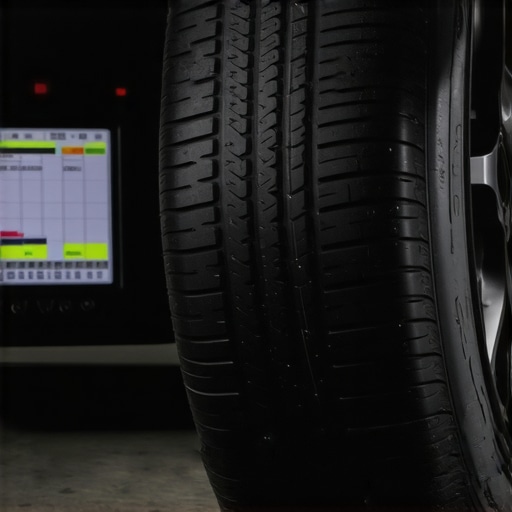
I spent a week deconstructing a high-net-worth policy after a fire. The owner thought they were fully covered until they realized their guaranteed replacement cost had a cap that was set in 2012 dollars. The same rot that ate that homeowners claim is now feestering in the automotive sector. I recently examined a commercial manuscript endorsement for a 2026 pilot program. The language was clear. The carrier was no longer just tracking speed or braking. They were tracking the physical degradation of the vehicle in real time. Specifically, they were monitoring tire tread depth via piezo-electric vibration sensors. If the rubber reached a certain threshold of wear, the premium spiked within forty-eight hours. The carrier didn’t wait for an accident. They simply adjusted the mathematical probability of a hydroplaning event and billed the client for the increased risk exposure immediately.
The surveillance state in your wheel well
Car insurance companies in 2026 utilize IoT tire sensors, telematics data, and predictive wear algorithms to adjust premiums based on real-time equipment degradation. This shift from static risk to dynamic micro-risk allows carriers to penalize drivers for delayed maintenance before a mechanical failure or collision actually occurs on the road.
The sensor is the law. In the past, an underwriter looked at your zip code and your age. They looked at a spreadsheet of historical averages. That world is dead. Today, your car is a data terminal. Modern vehicles equipped with advanced Tire Pressure Monitoring Systems (TPMS) have evolved. They now include sensors that measure the frequency of vibrations as the tire rotates. A thinner tire vibrates at a different frequency than a new one. This data is fed directly into the carrier cloud. The carrier sees the 1 in 100 year flood risk. They see the 1 in 10 chance you slide off a wet curve in Seattle. They price that risk on Tuesday. They collect it on Wednesday. The contract is no longer a static promise. It is a living, breathing parasite on your bank account. You are being rated on the molecular integrity of your rubber. This is the new actuarial reality. It is blunt. It is cold. It is efficient.
“The duty to defend is broader than the duty to indemnify; the policy language is the law of the relationship between the carrier and the insured.” – Contractual Law Maxim
The ghost in the fine print
Manuscript endorsements and telematics riders now contain specific exclusion clauses that void liability coverage if the vehicle’s tread depth falls below 4/32 of an inch at the time of an accident. This contractual leverage allows insurance carriers to deny claims based on pre-existing mechanical negligence regardless of proximate cause.
I have seen claims denied because of a three word endorsement buried on page eighty four. Brokers ignore these. They want the commission. They want the quick sign. But the forensic reality is that these words kill companies. If your policy contains a maintenance compliance rider, you are driving a liability bomb. Most people think a higher premium means better insurance. The truth is that carriers often raise prices on loyal customers while stripping away silent coverage in the fine print. They call it risk optimization. I call it a contractual ambush. If the sensor reports that your rear left tire is at three millimeters of tread, and you hit a patch of ice, the carrier will argue you breached the terms of the maintenance agreement. They will walk away. You will be left with the legal bill and the wreckage. There is no sentiment in an insurance contract. There is only the text. The text is a battlefield.
“Risk classification must be based on sound actuarial principles and related to actual or reasonably anticipated loss experience.” – NAIC Model Regulation
Why your full coverage is a mathematical fiction
Standard auto policies marketed as full coverage are often restricted contracts that only pay actual cash value minus heavy depreciation and telematics-based penalties. True indemnification requires replacement cost endorsements and agreed value riders that bypass the actuarial software used to undervalue claims in the modern insurance market.
| Risk Variable | Traditional Rating (2010-2020) | Dynamic Rating (2026+) |
|---|---|---|
| Data Source | Credit Score and Zip Code | Real-time IoT Sensor Data |
| Update Frequency | Semi-Annual Renewal | Weekly or Daily Micro-Adjustments |
| Maintenance Factor | Self-Reported or Ignored | Automated Tread and Brake Analysis |
| Premium Logic | Historical Group Averages | Individual Predictive Probability |
| Claim Defense | Negligence Standard | Contractual Compliance Standard |
The math does not lie. If you are paying for a policy that doesn’t account for the digital data your car produces, you are likely overpaying for a shell. Conversely, if you opt into the tracker for a discount, you are handing the carrier a scalpel to cut your coverage. In California, privacy laws provide some buffer against this data harvesting. In Florida, the litigation crisis has driven carriers to use every scrap of data to lower their loss-cost ratios. They are looking for reasons to say no. Your tire wear is the easiest reason they have found in a decade. It is a verifiable, physical metric that correlates perfectly with stopping distance and loss frequency. The carrier isn’t your neighbor. They are a capital preservation engine. They protect their balance sheet, not yours.
The litigation of the digital footprint
Subrogation departments now use vehicle telemetry to shift liability onto third-party manufacturers or repair facilities by proving mechanical failure through sensor logs. This forensic evidence is admissible in court and can invalidate a policyholder’s defense if contributory negligence is established through recorded tire wear data.
- Audit your telematics permissions in the vehicle infotainment system.
- Demand the actuarial justification for tread-based surcharges from your agent.
- Review the data-sharing endorsement for third-party data brokers.
- Verify the right to disconnect clause in your manuscript policy.
- Check the specific tread depth threshold mentioned in the exclusions section.
The carrier lied when they said the tracker was for your safety. It was for their subrogation leverage. I watched a client lose their right to recover damages from a negligent contractor because they signed a waiver of subrogation in a simple service contract without realizing they were voiding their own insurance coverage. This happens every day with car sensors. You agree to the terms of service on a screen in your dashboard. You just waived your privacy. You just gave them the evidence to deny your next claim. The law of the relationship is the policy. If the policy says they can monitor your tires, they will. If the data says you are a risk, you pay. The only way to win is to read the manuscript. Stop looking at the monthly price. Start looking at the indemnification limits. Start looking at the triggers. A policy that doesn’t pay is the most expensive policy you can buy. Final verdict. Get a forensic review or prepare for the denial letter. It is coming.
Leave a Reply