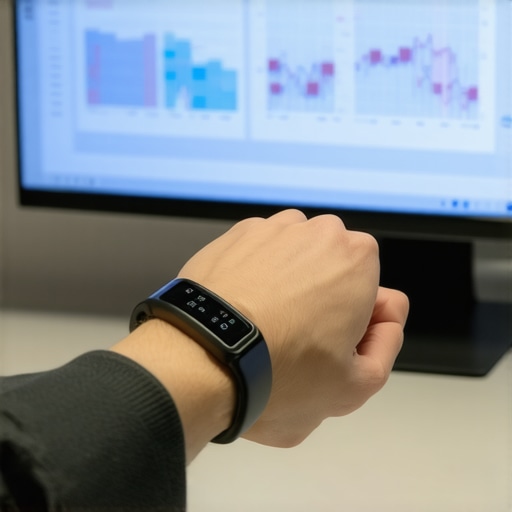
I spent a month deconstructing a corporate health plan after a mid-level executive was denied coverage for a chronic condition. The owner thought they were fully covered until they realized their wellness incentive program gave the carrier a backdoor to view their daily biometric failures since 2018. This was not a breach of security. It was a contractual surrender of privacy signed in exchange for a twenty dollar monthly premium discount. As a forensic underwriter, I see the same patterns everywhere. The smell of expensive leather and ozone in my office usually precedes a meeting where I tell a client that their wearable device just cost them a hundred thousand dollars in denied claims. Insurance is not your friend. It is a mathematical fortress. Your fitness tracker is the Trojan horse that lets the actuaries inside the gates. They are not looking for your progress. They are looking for your decline. This is the cold reality of the industry today. We are moving away from group risk and toward a predatory model of individualized biometric surveillance.
The surveillance state of modern underwriting
Health insurance carriers utilize fitness tracker data to monitor biometric variables like heart rate and sleep cycles. This data allows actuaries to adjust risk premiums in real time. By tracking daily physical activity, companies move away from static underwriting models toward dynamic behavioral risk assessment. The goal is to eliminate the unpredictability of the human condition. When you wear a tracker provided by your insurer, you are providing them with a 24/7 stream of evidence that can be used to justify future rate hikes. This is not about health. It is about capital preservation. The data collected is often categorized as consumer generated data rather than clinical data. This distinction is vital. It means the strict protections of HIPAA do not always apply to the way your insurance company shares or sells this information to third party data brokers. They are building a digital twin of your physiology to run simulations on how much you will cost them over the next thirty years. If your digital twin shows signs of metabolic slowdown or irregular sleep, your real world premiums will reflect that risk. Best insurance practices used to involve broad pools where the healthy subsidized the sick. Now, micro-segmentation is the goal. Every step you take is a data point in a ledger that only the company can read. They see the correlation between your sedentary weekends and your future risk of a stroke. They calculate the probability of your heart failing before you even feel a palpitation. It is a clinical, cold process that treats your heartbeat like a ticker tape of potential losses.
“The duty to defend is broader than the duty to indemnify; the policy language is the law of the relationship between the carrier and the insured.” – Contractual Law Maxim
The mathematical fiction of voluntary participation
Participation in tracker programs is rarely voluntary when the alternative is a financial penalty or the loss of premium credits. Actuaries view those who refuse tracking as a higher risk population by default. This creates a pricing mechanism that punishes privacy as if it were a pre-existing condition. The market is designed to force you into compliance. If you do not share your data, you are placed in a risk pool with smokers and high risk individuals. This is the stick used to drive the carrot of wellness. The industry calls this engagement. I call it a forensic audit of your lifestyle. They want to know if you are sitting at a desk for ten hours a day. They want to know if you are staying up late watching television. These are not just habits. They are variables in a loss-cost model. When a company offers a free Apple Watch, they are buying access to your nervous system. The cost of that watch is a rounding error compared to the value of the predictive data they extract. They use this data to identify candidates for business insurance exclusions or to adjust the liability profiles of entire workforce demographics. In the world of legal insurance, the discovery of this data can be a nightmare. Imagine a car insurance claim where the carrier subpoenaed your fitness tracker data to prove you were fatigued at the time of the accident. The connectivity of these devices creates a web of liability that most consumers are too distracted to notice. You are paying them for the privilege of being watched. It is a brilliant business model. It is a terrifying reality for the insured.
| Data Point | Actuarial Significance | Risk Impact |
|---|---|---|
| Resting Heart Rate | Long-term mortality predictor | High |
| Sleep Consistency | Mental health and burnout proxy | Medium |
| Step Count | General metabolic health metric | Low |
| Location Data | Environmental risk exposure | High |
The ghost in the fine print
Insurance contracts often contain vague language regarding the secondary use of wearable data for underwriting purposes. These endorsements allow the carrier to reclassify risk based on biometric trends without explicit annual consent from the policyholder. This is the silent erosion of coverage. I have seen policies where the definition of a covered event was modified by a small rider that required the insured to maintain a certain level of physical activity to qualify for the full indemnity. If you have an injury and your tracker shows you were inactive for two weeks prior, they can argue that your lack of fitness contributed to the severity of the claim. This is how subrogation works in the digital age. They look for any reason to shift the cost back to you. The legal insurance world is just starting to catch up with these tactics. There are no standardized regulations that prevent a health insurer from sharing your sleep data with a life insurance subsidiary. They are building a comprehensive risk profile that follows you from the cradle to the grave. The best insurance is the one that you actually understand, yet these data clauses are written in a way that requires a law degree to decipher. They use words like aggregate and anonymized, but in the era of big data, true anonymity is a myth. They can cross-reference your step data with your grocery store loyalty card and your credit card statements to see exactly what you are eating and how much you are moving. They know more about your health than your primary care physician does. And they have no Hippocratic oath to keep. Their only oath is to the shareholders.
“Consumer data collected via wearable devices must be handled with the same fiduciary responsibility as clinical health records to prevent predatory pricing.” – ISO Technical Bulletin
The three words that kill a claim
Proximate cause and material misrepresentation are the legal levers insurers use to deny claims based on tracker evidence. If your biometric data contradicts your application statements, the carrier can void the policy entirely. This is the forensic reality of digital health tracking in the modern indemnity market. They look for inconsistencies. If you claimed you were a non-smoker but your heart rate spikes every night at 10 PM in a pattern consistent with nicotine intake, they have a reason to investigate. If you said you had no history of heart issues but your tracker shows a year of untreated tachycardia, they will deny your claim for a heart attack. The tracker is a silent witness that never forgets. It is a black box for the human body. In car insurance, telematics devices already do this. They track your braking and your speed. Health insurance is just the next frontier for this level of granularity. The data is used to create a baseline of what is normal for you. Anything that deviates from that baseline is a red flag. They are not looking for your peaks of health. They are looking for the valleys. They want to catch the moment your health begins to fail so they can adjust your premium before the first bill from the hospital arrives. This is the death of the waiting period. It is the birth of the perpetual underwriting cycle. You are being underwritten every single second of every single day.
A survival guide for the policy audit
- Request a full copy of the data sharing agreement linked to your wellness program.
- Audit your policy for endorsements that mention biometric data or wearable devices.
- Check if your premiums are contingent on maintaining specific health metrics.
- Inquire about the data retention policy and how your information is purged.
- Consult a lawyer regarding the intersection of your tracker data and legal insurance claims.
- Review the privacy settings on your device to limit third party API access.
- Verify if your carrier shares data with life or disability insurance subsidiaries.