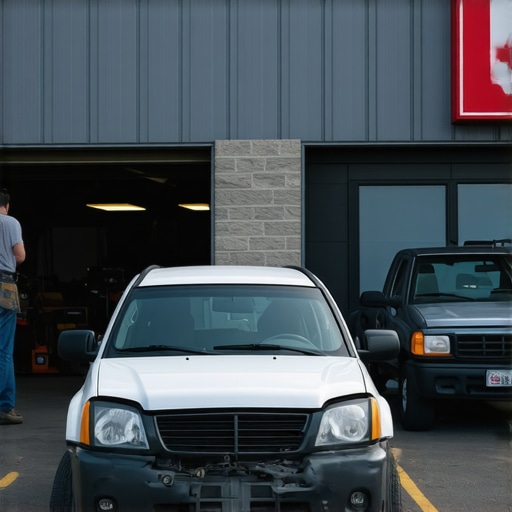
I watched a client lose their right to recover damages from a negligent contractor because they signed a waiver of subrogation in a simple service contract without realizing they were voiding their own insurance coverage. This pattern of contractual blindness is precisely what insurance carriers count on when they steer you toward their preferred body shops. The industry calls it a Direct Repair Program or DRP. I call it a forensic conflict of interest. As an underwriter who has dissected thousands of claim files, I can tell you that the friendly recommendation from your adjuster is not a gesture of goodwill. It is a tactical move to contain costs at the expense of your vehicle’s structural integrity and its future resale value. You are told the process will be faster, easier, and guaranteed for life. What they omit is that the guarantee is only as good as the shop’s contract with the insurer, not your deed of ownership. Every car insurance policy is a contract of indemnity, but the DRP system turns it into a contract of minimum viable repair.
The illusion of the hassle free claim
Direct Repair Programs function as third party administrator networks where body shops agree to discounted labor rates and aftermarket parts usage in exchange for a steady stream of insurance claims referrals. This arrangement creates a fiduciary conflict where the shop owes its loyalty to the insurance carrier rather than the vehicle owner. When you enter a preferred shop, you are entering a facility where the technicians have already signed away their right to advocate for the best repair. They have agreed to let an algorithm determine how long a weld should take and what brand of recycled bumper is acceptable for your luxury sedan. The best insurance policies are those where the insured retains control over the repair process. In the world of business insurance and car insurance, the carrier’s primary goal is the reduction of loss cost. They achieve this by squeezing the repairer. If a shop is getting paid thirty percent less than the market rate for labor, they must make up that margin somewhere. That margin comes out of the hidden corners of your car.
“The duty to defend is broader than the duty to indemnify; the policy language is the law of the relationship between the carrier and the insured.” – Contractual Law Maxim
The secret contract between carrier and shop
Insurance carriers leverage master service agreements to force preferred shops to prioritize non-OEM parts and reconditioned components over original equipment manufacturer standards. These contracts often contain efficiency mandates that penalize shops for taking the time to perform pre-repair scans or post-repair calibrations. In my years of forensic auditing, I have seen DRP contracts that specifically forbid shops from telling the customer that a better repair method exists. This is a gag order on safety. When you buy insurance, you are paying for the restoration of your asset to its pre-loss condition. However, the DRP shop is incentivized to restore it to a condition that merely looks acceptable to the naked eye. They use structural adhesives where the manufacturer calls for squeeze-type resistance spot welding because the former is cheaper and faster. They skip the specialized paint blending processes because the carrier refuse to pay for the extra hours. This is not just a car insurance issue. It is a fundamental breach of the promise of legal insurance and indemnity.
| Feature | Preferred Body Shop (DRP) | Independent Certified Shop |
|---|---|---|
| Primary Loyalty | Insurance Carrier | Vehicle Owner |
| Parts Selection | Aftermarket / Salvage favored | OEM / Factory Original favored |
| Labor Rates | Pre-negotiated (Low) | Market Rate (Fair) |
| Repair Methodology | Insurer Guidelines | Manufacturer (OEM) Guidelines |
| Diminished Value | Rarely Documented | Expertly Documented |
How the aftermarket part kills your resale value
Aftermarket components and Like Kind and Quality parts are non-structural substitutes that frequently lack the metallurgical properties and crumple zone engineering of OEM parts. Insurance adjusters love the term Like Kind and Quality because it sounds authoritative. In reality, it is a legal fiction used to justify installing a radiator made in a different country with different cooling tolerances than the one designed for your engine. From an actuarial standpoint, the use of these parts reduces the immediate claim payout by fifteen to forty percent. But for the consumer, the cost is deferred. When you go to trade in that vehicle, a professional appraiser will use a paint depth gauge and look for non-matching VIN stickers on body panels. The moment they see aftermarket parts, your car’s value drops by thousands. The insurance company does not reimburse you for this diminished value. They simply close the file and move on to the next claim. Whether you are dealing with health insurance or car insurance, the logic is the same. The provider wants the cheapest intervention that satisfies the surface level requirement.
The legal myth of the lifetime guarantee
Lifetime warranties offered by insurance companies for preferred shop repairs are often secondary indemnities that only trigger if the original shop goes out of business or refuses to fix a documented defect. These guarantees are marketing tools, not legal protections. If you find a rust spot three years later because the shop failed to apply proper corrosion protection, the insurance company will often claim it is a maintenance issue rather than a repair defect. They will put the burden of proof on you. You will need an independent inspector, a forensic report, and perhaps a lawyer specializing in legal insurance to fight the very company you pay premiums to every month. I have seen cases where the insurer denied a warranty claim because the owner could not prove the car had been washed frequently enough to prevent the corrosion. The house always wins when you play by their rules in their preferred stadium.
“The insurance policy is a contract of adhesion, drafted by the party with superior bargaining power and presented to the weaker party on a take-it-or-leave-it basis.” – ISO Regulatory Commentary
The three words that kill a claim
Actual Cash Value is the actuarial baseline used by insurance companies to limit their liability during a total loss evaluation. If your car is repaired at a DRP shop, they may perform what we call a clipping or a sectioning repair that hides structural damage. If that car is involved in a second accident, its structural integrity is compromised. I have reviewed cases where a second, minor impact resulted in catastrophic injuries because the first repair at a preferred shop was done improperly. In these instances, the insurance company will argue that they are only liable for the ACV of the car at the time of the second hit. They will not take responsibility for the fact that their preferred shop turned your vehicle into a death trap. This is why you must demand a shop that follows OEM repair procedures to the letter. Do not let them talk you into the path of least resistance. The path of least resistance usually leads to a cliff.
Audit your policy before the crash
Use this checklist to ensure your coverage actually protects your assets rather than the carrier’s bottom line. Most people assume they have the best insurance until they actually have to use it. A proactive audit is the only way to avoid the DRP trap.
- Verify if your policy has an OEM Parts Endorsement. Without this, the carrier has the contractual right to use junk yard parts.
- Check for a Diminished Value clause. Some policies in certain states explicitly exclude this, which is a major red flag.
- Locate the Right to Appraisal section. This is your primary weapon if the insurance company lowballs the repair cost.
- Search for any language regarding Mandatory DRP usage. While illegal in many states, some sub-prime carriers bury this in the fine print.
- Confirm the policy’s definition of Pre-Loss Condition. It should include safety, function, and value, not just appearance.
The insurance industry is built on the management of probability. When you choose a preferred body shop, you are tilting the odds in favor of the carrier. You are voluntarily entering a system designed to minimize the cost of their mistake. Your car is likely your second largest investment. Do not let a forensic underwriter like me look at your file in five years and wonder why you let the fox guard the henhouse. Demand an independent shop. Demand OEM parts. Demand a repair that returns your vehicle to the exact specifications of the engineers who built it. Anything less is not insurance. It is a compromise you cannot afford to make.
Comments
One response to “Why You Should Never Use an Insurance Company’s Preferred Body Shop”
This post really highlights how choosing a preferred shop can sometimes feel like you’re sacrificing quality for convenience, but in reality, it often means sacrificing safety and resale value. I’ve seen friends go with the insurer-recommended shops, only to discover later that their vehicle’s structural integrity was compromised, which wasn’t obvious at first glance. It’s alarming how often these contracts prioritize cost reduction over true vehicle restoration. I wonder how many vehicle owners are aware of the importance of insisting on OEM parts and independent inspections. Personally, I’ve always gone to a certified independent shop for repairs after reading about these issues, and I’ve found that investing in quality prevents bigger costs down the line. Has anyone here experienced a loss in resale value directly linked to aftermarket parts or subpar repairs? Would love to hear advice on how to best advocate for an optimal repair process when dealing with insurance claims.