Category: Car Insurance Guides

  • The Reason Your Car Premium Spiked After You Improved Your Security

    The Reason Your Car Premium Spiked After You Improved Your Security

    I spent a week deconstructing a high-net-worth policy after a fire. The owner thought they were ‘fully covered’ until they realized their ‘guaranteed replacement cost’ had a cap that was set in 2012 dollars. This same blind spot exists in car insurance when owners install five thousand dollars of biometric security and wonder why the carrier penalizes them. The industry does not reward effort. It rewards predictable data. When you change the data by adding complex aftermarket security systems, you are not just protecting a car. You are altering the actuarial risk profile of a legal contract.

    The forensic reality of the security surcharge

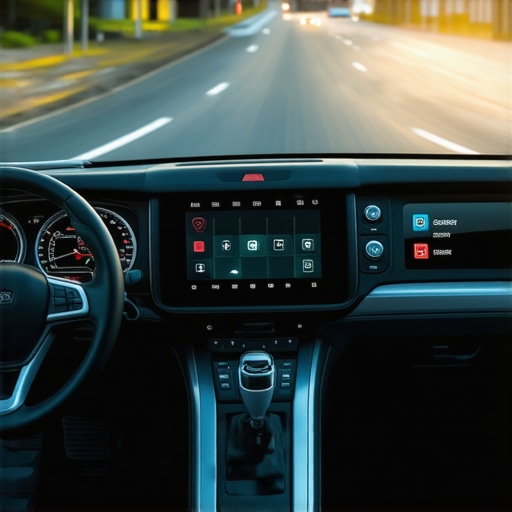
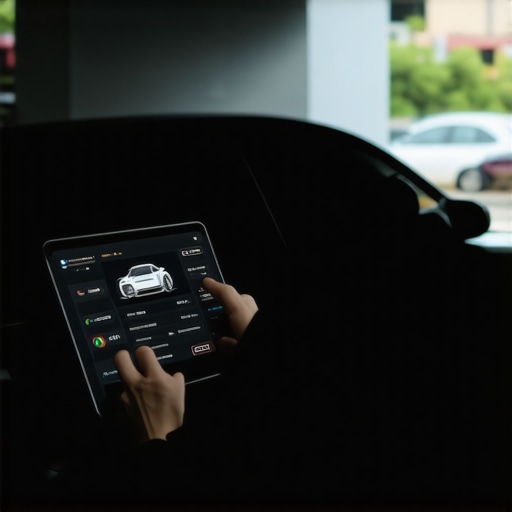
    The primary reason a car premium spikes after security upgrades is the actuarial reassessment of the vehicle’s exposure profile. Carriers view aftermarket modifications as physical hazards that alter the factory risk model, often triggering a rating tier shift based on the increased replacement value of the tech itself. You think you are lowering the chance of theft. The underwriter thinks you are increasing the cost of a claim. If an amateur thief mangles your dashboard to bypass a high-end immobilizer, the repair cost is five times higher than it would be on a stock vehicle. The carrier prices for the mangled dashboard, not the successful theft prevention.

    The math of moral hazard and selection bias

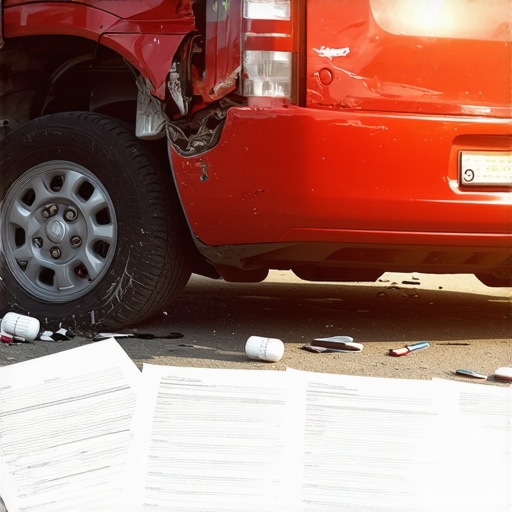
    Moral hazard and selection bias dictate that individuals who invest heavily in aftermarket security often own high-theft-risk assets or live in high-crime zip codes. The act of upgrading security signals to the algorithmic underwriter that the risk environment has changed. It is a mathematical paradox. By signaling your fear of loss, you confirm to the carrier that you are in a high-loss category. This is the information gain the carrier uses to justify a rate hike. They do not see a safe car. They see a car that requires extra protection because it is likely to be targeted. The probability of an attempt stays the same or increases even if the probability of success drops. The insurance company pays for the attempt. They pay for the broken glass and the cut wires. [image placeholder]

    “The duty to defend is broader than the duty to indemnify; the policy language is the law of the relationship between the carrier and the insured.” – Contractual Law Maxim

    The ghost in the fine print

    Contractual endorsements and manuscript policy language are where your security investment goes to die. Most car insurance policies are written on Insurance Services Office (ISO) standardized forms. These forms often have strict definitions of what constitutes a ‘covered modification.’ If you do not explicitly list your three-thousand-dollar GPS tracker and biometric kill switch on your declaration page, the carrier might not only ignore the security benefit but also deny a claim related to electrical fires caused by the installation. This is the forensic truth of the industry. The best insurance is not the one with the most bells and whistles. It is the one where the contract matches the physical reality of the asset.

    Why car insurance is essentially business insurance

    Legal insurance and business insurance principles apply to your personal auto policy because the indemnification limits are governed by the same actuarial loss-cost modeling. Carriers use a Pure Premium calculation which is the frequency of loss multiplied by the severity of loss. While security reduces frequency, it often increases severity. A custom security system is a proprietary component. It is not available at the local salvage yard. This forces the carrier to pay for brand-new, high-cost parts and specialized labor. They pass this cost to you in the form of a premium spike. They are protecting their net recovery potential.

    MetricActual Cash Value (ACV) BasisReplacement Cost Value (RCV) Basis
    Security HardwareDepreciated by agePaid as new
    Labor CostsStandardized ratesSpecialist rates required
    Premium ImpactMinimal increaseSignificant surcharge
    Subrogation PotentialLow leverageHigh recovery potential

    Florida and the litigation of aftermarket safety

    In Florida, the current litigation crisis and bad faith laws make carriers extremely sensitive to any non-factory modification. If you add security that involves Assignment of Benefits (AOB) during the installation, you are stepping into a legal minefield. The carrier sees an aftermarket security system as a potential point of failure that could lead to a product liability dispute. If your car is stolen despite the security, you might sue the security company. The insurance carrier does not want to be caught in the middle of that subrogation trap. They would rather charge you more upfront to offset the legal risk of dealing with your ‘improved’ security.

    “Standardized forms from the Insurance Services Office (ISO) provide the baseline, but the manuscript endorsements dictate the actual recovery potential.” – Underwriting Authority Statement

    The three words that kill a claim

    Material misrepresentation risk is the silent killer of the modern car insurance policy. If you improve your security and do not notify the carrier, you have changed the risk without their consent. If you do notify them, they re-underwrite you. This is the actuarial squeeze. You are punished for silence and punished for transparency. The only way to win is to understand the proximate cause of your rate increase. It is rarely the security itself. It is the re-rating event triggered by the update. Your policy was a ‘grandfathered’ risk. The moment you called to mention the alarm, the computer ran a new 1-in-100-year loss model on your entire profile. The spike was likely coming anyway. You just gave them the reason to execute it.

    • Verify that your declarations page lists the exact replacement value of the new security hardware.
    • Request a written endorsement that explicitly mentions the aftermarket system to avoid material misrepresentation claims.
    • Review the subrogation waiver section of your security installation contract before signing.
    • Ask your broker for the ISO loss-cost code associated with your specific car and zip code.
    • Ensure your health insurance and legal insurance coverages are not duplicated in your auto policy’s medical payments section.

    The math behind the 1-in-100-year theft event

    Loss ratio management is the only thing the carrier cares about. If their combined ratio is over 100, they are losing money. Currently, the car insurance industry is facing a hard market. Prices are rising across the board. Your security upgrade was merely the catalyst for a price adjustment that the carrier’s actuarial engine had been demanding for months. The insurance company is a fortress of capital. They do not care about your ‘improved’ safety. They care about the stochastic probability of a payout. They see the world in aggregates. One car with an alarm is a statistic. A thousand cars with alarms are a reinsurance liability. You are paying for the collective risk of every other driver who thought an aftermarket alarm made them invincible.

  • The Gap in Your Coverage When You Lend Your Car to a Friend

    The Gap in Your Coverage When You Lend Your Car to a Friend

    I spent a week deconstructing a high-net-worth policy after a fire. The owner thought they were fully covered until they realized their guaranteed replacement cost had a cap that was set in 2012 dollars. This same pattern of blind confidence repeats every time a car owner hands their keys to a friend. I watched a client lose their right to recover damages from a negligent contractor because they signed a waiver of subrogation in a simple service contract without realizing they were voiding their own insurance coverage. When you lend your car, you are not just lending a machine. You are lending your credit score, your home equity, and your future wages to someone else’s reflexes. Insurance is a contract of indemnity, not a pact of friendship. The actuarial reality is that car insurance follows the vehicle, but the legal liability follows the deep pockets of the owner. If your friend causes a multi-car pileup, your policy pays first. Once your limits are exhausted, the victims do not go after the driver who has no assets. They go after the person who owns the car. This is the forensic truth of the industry.

    The legal fiction of the friendly favor

    Permissive use is a standard provision in most car insurance policies that extends coverage to drivers who have the owner’s permission to operate the vehicle. However, this coverage is often primary, meaning the owner’s insurance company must pay for damages before any other insurance policy is even considered for the loss. The industry uses the omnibus clause to define who is an insured. This clause generally includes the named insured and anyone using the vehicle with permission. But permission is a nebulous legal concept. It can be express or implied. If your friend takes your car to the grocery store, that is express permission. If they then decide to drive three towns over to visit a relative, they may have exceeded the scope of that permission. At that point, the carrier might argue that the driver was not an insured under the policy. This leads to a total denial of the claim, leaving the owner to face the litigation alone. The math of the risk is simple. A standard 100/300/100 policy provides one hundred thousand dollars for bodily injury per person. In a serious accident, a single hospital stay can exceed this amount in forty-eight hours. The owner is then personally liable for the excess. This is why car insurance is a dangerous game of probability. The carrier calculates the risk based on the primary driver’s record, not the unknown variables of a friend’s driving habits.

    “The omnibus clause in an automobile liability policy is intended to protect not only the named insured, but also those who use the vehicle with permission.” – Standard ISO Policy Commentary

    Why your primary limits are a fragile shield

    Primary insurance limits are the first line of financial defense in an accident, but they are frequently insufficient to cover the catastrophic costs of a major collision or long-term disability claim. When a guest driver is behind the wheel, the policy remains the primary source of recovery for the victims. Most people assume that if their friend has their own insurance, that policy will take over. In reality, the friend’s policy is usually excess. It only kicks in after your policy is completely drained. If your policy has a step-down provision, the situation is even worse. Some carriers include language that reduces your liability limits to the state’s minimum requirements if an unlisted driver is operating the car. You might think you have five hundred thousand dollars in coverage, but the moment your friend turns the ignition, that limit drops to twenty-five thousand dollars. This is a common tactic in non-standard or budget insurance contracts. The financial gap created by this drop is a chasm that can swallow an entire estate. Forensic underwriters look for these clauses to minimize the carrier’s exposure. They are not looking to help you. They are looking to protect the loss ratio of the company. A single accident with an unlisted driver can trigger a total re-evaluation of your risk profile, leading to non-renewal or a massive premium hike that lasts for years. Insurance is a business of cold calculations, and you are currently on the losing side of the equation.

    Scenario ComponentPrimary Policy ImpactSecondary Policy ImpactOwner Risk Level
    Permissive DriverPays first up to limitsPays excess if availableHigh
    Business Use GapClaim denied entirelyLikely deniedExtreme
    Step-Down ClauseLimits drop to minimumNo impactVery High
    Negligent EntrustmentMay not cover punitiveNoneCatastrophic

    The nightmare of negligent entrustment

    Negligent entrustment is a legal theory where the owner of a vehicle is held liable for damages because they allowed someone to drive who they knew, or should have known, was incompetent or dangerous. This creates a direct cause of action against the owner that may bypass certain policy protections. If you lend your car to a friend who has a history of speeding tickets, a suspended license, or a known drinking problem, you are committing negligent entrustment. In the eyes of the law, you are just as responsible for the accident as the person who hit the brakes too late. This is a forensic nightmare. The plaintiff’s attorney will subpoena your phone records and social media to prove you knew the driver was a risk. Insurance carriers often have exclusions for intentional acts or gross negligence. If a court finds you were grossly negligent in lending the car, the carrier might attempt to deny the claim. This leaves you with zero protection. You are then sitting in a courtroom watching a jury decide how much of your net worth should be transferred to the victim. The smell of stale coffee in a deposition room is the only thing you will remember as you explain why you thought it was okay to hand over the keys. Legal insurance rarely covers the full extent of a complex negligent entrustment suit. You are on your own.

    “Liability for negligent entrustment arises when the owner knows or should have known the driver was incompetent or unfit to operate the vehicle.” – Appellate Court Ruling on Vicarious Liability

    Step down provisions that gut your protection

    Step-down provisions are hidden clauses in car insurance contracts that automatically reduce the available liability coverage to the state-mandated minimums when the vehicle is driven by someone not named on the policy. These clauses are designed to limit the carrier’s exposure to unrated risks. Most policyholders never read the manuscript endorsements. They look at the declarations page and see high numbers. But the fine print on page sixty-two says those numbers only apply to the named insured and their spouse. Everyone else is a second-class driver in the eyes of the contract. If your state minimum is fifteen thousand dollars, and you lent your car to a friend who causes a thirty thousand dollar accident, you are paying the difference out of your pocket. The carrier will write a check for fifteen thousand and walk away. They have fulfilled their contractual obligation. This is why the best insurance is not always the cheapest. The cheap policies are riddled with these traps. Business insurance often has similar gaps when employees use personal vehicles for work. The intersection of personal and commercial risk is where most claims die. If your friend is using your car for a food delivery service without your knowledge, you have no insurance. Period. The delivery app might provide some coverage, but it is often secondary and difficult to collect.

    The hidden cost of the excluded driver

    An excluded driver is someone specifically named in the policy as having no coverage whatsoever while operating the vehicle, usually due to a poor driving record or high risk. Lending a car to an excluded driver is a breach of contract that voids all protection. Sometimes a household member is excluded to keep the premium low. If you forget this and let them move the car across the street, you are uninsured for those sixty seconds. If they hit a pedestrian, you will lose your home. There is no gray area here. The exclusion is an absolute bar to recovery. Car insurance companies do not care about your intentions. They care about the signed document. Many people think they can just add the driver after the fact. That is insurance fraud. The forensic trace of a claim starts with the timestamp of the accident. The adjuster will compare that to the policy inception and endorsement dates. If you try to change the policy after the crash, you are looking at a felony charge. Business insurance and legal insurance will not help you defend a fraud case. This is the blunt reality of the industry. The contract is the law of the relationship, and the carrier wrote the contract to favor their own survival.

    • Verify the driver has a valid and current license before handing over keys.
    • Confirm your policy does not contain a step-down limit for permissive users.
    • Check for any specific excluded drivers on your declarations page.
    • Ask the driver if they are using the vehicle for any commercial purpose or gig work.
    • Ensure your policy limits are high enough to protect your total net worth from a lawsuit.
    • Keep a copy of your insurance ID card in the vehicle at all times.

    How subrogation turns friends into litigants

    Subrogation is the legal process where an insurance company, after paying a claim, sues the responsible party to recover the costs. When you lend your car, your own insurance company might eventually sue your friend to get their money back. This is the part the commercials don’t show you. Your friend crashes your car. Your insurance pays for the damage. Then, the subrogation department looks at the file. They see your friend was at fault. They see your friend has their own insurance policy. Your insurance company then sues your friend’s insurance company. If your friend didn’t have enough insurance, your company might sue your friend personally. Suddenly, your act of kindness has put your friend in a legal battle with a multi-billion dollar corporation. This ruins friendships and leads to years of litigation. The forensic truth is that insurance companies are not in the business of losing money. They will use every legal tool available to shift the loss to someone else. This is why health insurance companies often place liens on car accident settlements. They want to be reimbursed for the medical bills they paid. The money you thought was for your pain and suffering is actually owed to a health insurer in a different state. The system is a closed loop of capital preservation.

  • How to Prove a Total Loss Value When Your Car Is a Classic

    How to Prove a Total Loss Value When Your Car Is a Classic

    The math of a masterpiece in ruins and how to prove value

    Insurance is not a safety net. It is a contract of indemnity designed to return you to the financial position you occupied prior to a loss, nothing more. I spent a week deconstructing a high-net-worth policy after a fire. The owner thought they were fully covered until they realized their guaranteed replacement cost had a cap that was set in 2012 dollars. When that fire consumed a 1969 Ferrari 365 GTB/4 Daytona, the carrier tried to apply a standard depreciation curve used for a Toyota Camry. It was a forensic autopsy of a failing contract. For owners of classic cars, the gap between what you believe your car is worth and what a claims adjuster is willing to pay can be a financial chasm. Proving total loss value requires more than emotional attachment or a folder of receipts. It requires a mastery of the contractual language that defines the valuation. Most policyholders are unaware that their standard car insurance is a trap for vintage assets. If you are using a generic business insurance or health insurance mindset for a classic vehicle, you have already lost the subrogation battle before it begins.

    The standard policy is a death sentence for classics

    Standard car insurance policies utilize Actual Cash Value (ACV) which calculates loss through replacement cost minus depreciation. For classic vehicles, this mathematical model is fundamentally broken because it fails to account for market appreciation, rarity, and historical provenance. In the world of legal insurance and asset protection, the distinction between ACV and Agreed Value is the difference between a total recovery and a total loss of equity. Standard carriers use algorithms like CCC One or Mitchell to determine value. These programs look at recent sales of similar vehicles within a 50 mile radius. This works for a 2021 Ford F-150. It fails for a split-window Corvette or a vintage Porsche. The market for these cars is global, not local. The data points are sparse. If you allow an adjuster to use a local market analysis, you are conceding to an undervalued settlement. You must pivot the argument to specialized valuation standards before the carrier locks in their internal reserve numbers.

    “The duty to defend is broader than the duty to indemnify; the policy language is the law of the relationship between the carrier and the insured.” – Contractual Law Maxim

    Why Agreed Value is the only metric that matters

    Agreed Value is a contractual guarantee where the insurer and the policyholder agree on the vehicle value before the policy is even issued. This value does not depreciate during the policy term. It is the gold standard for classic car insurance. Many brokers sell Stated Value policies, which are deceptive. Stated Value only allows the carrier to pay up to a certain amount, but it still allows them to pay less if they believe the market value has dropped. It is a ceiling, not a floor. When you are dealing with high-value indemnity, you need a floor. If your 1970 Hemi Cuda is insured for an Agreed Value of 150,000 dollars, the carrier cuts a check for 150,000 dollars in the event of a total loss. There is no negotiation. There is no depreciation. There is no market survey. The contract is the final word. If you are currently under a Stated Amount endorsement, you are essentially self-insuring the gap between their valuation and your reality.

    The forensic paper trail of a restoration

    Proving the value of a classic car requires a chronological and technical ledger of every dollar and hour invested in the vehicle. This means more than just keeping a box of faded thermal paper receipts. You need a digital archive including high-resolution photographs of the subframe, the numbers-matching stamps, and the specific quality of the paintwork. In a total loss scenario, the physical evidence is gone. You are litigating against a ghost. Your documentation is the only evidence that survives the fire or the collision. I have seen claims denied because the owner could not prove the engine was the original block. A forensic underwriter looks for reasons to categorize your parts as aftermarket rather than OEM (Original Equipment Manufacturer). If you cannot prove the provenance, the adjuster will default to the lowest cost alternative. This is where the best insurance policies prove their worth by acknowledging the rarity of parts in the policy language itself.

    Policy TypeValuation MethodDepreciation AppliedPayout Certainty
    Actual Cash ValueMarket Price – DepreciationYesVery Low
    Stated ValueMarket Price up to LimitYesModerate
    Agreed ValuePre-determined Fixed AmountNoHigh

    How to dismantle an adjusters lowball offer

    To successfully challenge an insurance company valuation, you must submit a formal rebuttal based on comparable sales from high-tier auction houses. Do not look at Craigslist. Do not look at Facebook Marketplace. Look at Bring a Trailer, Barrett-Jackson, or RM Sotheby’s. These platforms provide the transparent data that adjusters cannot ignore. When the carrier sends you an evaluation, look for the comps they used. They often choose vehicles in inferior condition. You must demonstrate that your vehicle was a Grade 1 or Grade 2 on the 100-point scale. If they used Grade 3 cars for their average, your valuation is compromised. This is a technical negotiation. Use the terminology of the industry. Mention the lack of orange peel in the paint or the correct date codes on the glass. When you speak the language of a restorer, the adjuster realizes they cannot use standard scripts on you. This is the essence of forensic claim management.

    The appraisal clause is your last line of defense

    The appraisal clause in an insurance contract allows both parties to hire independent appraisers to resolve a dispute over the amount of loss. If the two appraisers cannot agree, they select an umpire to make a final binding decision. This is a form of private arbitration that bypasses the court system. It is often the only way to force a carrier to acknowledge the true market value of a classic. Many policyholders fear this process because of the cost, but in a total loss of a 200,000 dollar asset, spending 2,000 dollars on a professional appraisal is a rounding error. The risk is that the umpire might side with the carrier, but if your documentation is superior, the math usually falls in your favor. This clause is a powerful tool in the arsenal of anyone seeking the best insurance outcome. It prevents the carrier from being the sole judge and jury of your claim.

    • Verify the Agreed Value amount every 12 months.
    • Maintain a 100-point condition report from a certified appraiser.
    • Store digital backups of all restoration receipts off-site.
    • Ensure the policy includes a Right to Retain Salvage clause.
    • Review the policy for any mileage or storage restrictions that void coverage.
    • Confirm that the policy covers the car while in transit or at shows.
    • Update your valuation after any major mechanical or cosmetic upgrade.
    • Check for a Diminished Value exclusion in the fine print.
    • Validate that the shop of your choice is allowed for repairs.
    • Ensure the policy covers specialized towing and flatbed transport.

    “In the event of a total loss, the insurer’s liability is limited to the least of the following: the actual cash value, the amount necessary to repair, or the stated amount.” – Standard ISO Form Language

    Market data versus algorithmic depreciation

    Carriers rely on historical data that often lags behind the rapidly shifting reality of the collector car market. While most people think a higher premium means better insurance, the truth is that carriers often raise prices on loyal customers while stripping away silent coverage in the fine print. The algorithm used by a standard insurer does not understand that a specific color combination or a documented celebrity ownership can double the value of a car. They see a VIN and a year. That is all. You must force the human element back into the equation. In regions like California or South Florida, where classic car culture is a significant economic driver, local adjusters may have more experience, but they are still tethered to the corporate software. You must break that tether with a professional, certified valuation that follows USPAP (Uniform Standards of Professional Appraisal Practice) guidelines. Without this, you are merely guessing at your own net worth. The math of a classic car is complex, and the insurance industry is designed to simplify it to their own advantage. Do not let them. Prove the value through technical precision and contractual rigor.

  • Why Your Teenager’s Grades Matter More Than Their Driving Record

    Why Your Teenager’s Grades Matter More Than Their Driving Record

    I spent a week deconstructing a high-net-worth policy after a fire. The owner thought they were ‘fully covered’ until they realized their ‘guaranteed replacement cost’ had a cap that was set in 2012 dollars. This same client was baffled when his teenage son, who had never received a speeding ticket, saw his premiums spike by forty percent after his GPA dropped below a 2.5 average. The father argued that the boy was a safe driver. I had to explain that the actuarial tables do not care about his clean record nearly as much as they care about his lack of academic discipline. From an underwriter’s perspective, a drop in grades is a leading indicator of risk that precedes the first fender bender by months. This is the reality of the insurance fortress. It is built on the cold mathematics of predictive behavior, not on the subjective feelings of parents who think their children are responsible.

    The actuarial myth of the clean record

    Actuarial data suggests that a teenager’s academic performance is a primary predictor of future insurance losses. Carriers view a high GPA as evidence of cognitive discipline and risk aversion. Conversely, poor grades often correlate with impulsivity and higher loss ratios, making academic standing more statistically significant than a short, clean driving history in car insurance underwriting.

    Insurance is a game of probability. When a carrier looks at a sixteen-year-old, they see a void of data. A clean driving record at that age means nothing. It simply means they have not been caught yet. The sample size is too small to be statistically relevant. However, a four-year transcript provides a massive data set. It tells the carrier how that individual handles rules, deadlines, and long-term consequences. In the eyes of a forensic underwriter, a student who cannot manage a biology assignment is unlikely to manage a two-ton vehicle at sixty miles per hour. We call this ‘executive function proxying.’ We are not insuring the car. We are insuring the brain behind the wheel. The brain that studies is the brain that survives a three-way intersection at night.

    “The use of non-driving factors, such as credit scores or academic performance, remains a cornerstone of predictive modeling in personal lines insurance.” – National Association of Insurance Commissioners

    The correlation between academic discipline and loss ratios

    Insurance companies utilize grades to calculate the probability of a claim before the driver even hits the road. Statistical analysis proves that students with higher marks exhibit fewer at-fault accidents and lower severity of loss. This predictive modeling allows best insurance providers to offer significant discounts to households with academically successful dependents.

    The mathematical reality is stark. The combined ratio, which is the measure of an insurer’s profitability, is significantly healthier for the ‘Good Student’ cohort. We see a direct inverse relationship between GPA and the frequency of claims. A student with a 3.5 GPA is statistically thirty percent less likely to engage in distracted driving compared to a student on academic probation. This is not guesswork. It is the result of decades of forensic claim analysis. When we look at a total loss claim involving a youthful operator, we often find a history of academic struggle. It points to a systemic failure in risk assessment by the individual. The carrier is simply pricing that failure into the premium. If you want business insurance or personal protection that doesn’t bleed your bank account, you must understand that the carrier is looking for markers of stability. Grades are the most stable marker we have for minors.

    Why a 3.0 GPA is a better hedge than a defensive driving course

    A Good Student Discount typically provides a larger premium reduction than a defensive driving certificate. Carriers prioritize academic metrics because they reflect long-term behavioral patterns rather than a single weekend of training. For the legal insurance and car insurance sectors, the 3.0 GPA threshold is the standard benchmark for risk mitigation.

    Consider the logic of the discount. A defensive driving course teaches a child how to steer out of a skid. It does not teach them not to get into the skid in the first place. Academic achievement, however, indicates a baseline of ‘rule-following’ behavior. It suggests that the driver is more likely to wear a seatbelt, more likely to observe speed limits, and less likely to drive while under the influence of social pressure. The insurance industry operates on the principle of large numbers. We know that the cohort of A-students costs us less in legal defense fees and medical payments. Therefore, we reward the parents of those students. If your teenager’s grades slip, you are losing more than just college prospects. You are losing the hedge against the most expensive risk category in the entire industry.

    Academic StandingAverage Loss RatioPremium VarianceRisk Category
    3.5+ GPA42%-25% DiscountLow Tier
    3.0 – 3.4 GPA58%-10% DiscountModerate Tier
    Below 3.0 GPA89%Base RateHigh Tier
    Academic Probation114%15% SurchargeSubstandard

    The hidden cost of the C-student surcharge

    Failure to maintain a B average results in the loss of credits that can exceed twenty percent of the policy cost. This hidden surcharge is effectively a penalty for higher risk probability. While health insurance and life insurance focus on physical wellness, car insurance focuses on the behavioral wellness indicated by school performance.

    When the discount falls off, the premium does not just return to ‘normal.’ It moves into a different risk tier. You are now being pooled with every other driver who has failed to demonstrate discipline. This is the ‘bleed’ that most parents ignore. They see the monthly bill go up by fifty dollars and think nothing of it. Over the course of four years, that is thousands of dollars in lost capital. As a risk architect, I see this as a failure of household risk management. You are essentially paying a fine for your child’s lack of focus. The carrier is happy to collect it. They use that extra premium to offset the inevitable claim that the data says is coming. It is a mathematical fortress, and the C-student is outside the gates.

    “Actuarial science dictates that historical behavior in controlled environments, such as schools, serves as a primary indicator of risk tolerance in uncontrolled environments, such as public roadways.” – ISO Risk Management Journal

    How carriers weaponize cognitive metrics

    Underwriters use grades as a proxy for the executive function required to operate heavy machinery safely. This cognitive underwriting allows companies to segment the market and avoid adverse selection. In business insurance and high-limit personal lines, these predictive variables are essential for maintaining solvency ratios and underwriting profit.

    We are entering an era of ‘telemetric morality.’ If we cannot put a tracker in every car, we will use the trackers that already exist. A report card is a tracker. It tracks the ability to process information and follow instructions. If a teenager cannot follow a syllabus, why would a carrier believe they can follow the laws of the road? The skepticism of the underwriter is your greatest expense. We look for reasons to deny the discount. We look for gaps in the story. When a parent calls to complain about a rate hike after a bad semester, they are arguing against a mountain of actuarial evidence. The carrier is not being ‘unfair.’ The carrier is being logical. They are protecting their capital from a known high-risk variable.

    Financial structural integrity for the modern household

    Maintaining a high GPA is a critical component of a comprehensive household risk management strategy. To protect your indemnity limits and minimize out-of-pocket costs, you must treat academic performance as a financial asset. Regular audits of policy endorsements and student status are necessary to ensure maximum coverage efficiency.

    • Submit transcripts to the broker every six months without being asked.
    • Verify that the ‘Good Student’ endorsement is applied to the most expensive vehicle on the policy.
    • Monitor the ‘Occasional Driver’ status if the student moves to a college more than 100 miles away.
    • Audit the policy for ‘Usage-Based’ overlaps that could stack with the grade discount.
    • Review the ‘Actual Cash Value’ of the teen’s vehicle to ensure you are not over-insuring a depreciating asset.

    The duty to defend is broader than the duty to indemnify. However, if you provide the carrier with a reason to categorize your child as a high-risk entity, you are voluntarily weakening your position. The insurance policy is a contract. Within that contract, there are opportunities to leverage your child’s discipline into lower costs. If you fail to do this, you are not just a parent. You are a bad portfolio manager. Stop looking at the driving record. Start looking at the report card. That is where the real money is lost or won in the insurance market.

  • The Document You Need to Beat a Low-Ball Car Appraisal

    The Document You Need to Beat a Low-Ball Car Appraisal

    The ghost in the fine print

    Car insurance companies use automated valuation software like CCC One to generate market valuation reports that systematically undervalue total loss vehicles. These algorithms prioritize comparable sales from low-end dealers to lower the actual cash value (ACV) payout and protect the carrier loss ratio. I spent a week deconstructing a high-net-worth policy after a fire. The owner thought they were fully covered until they realized their guaranteed replacement cost had a cap that was set in 2012 dollars. This same mathematical rot exists in the automotive sector. When your vehicle is totaled, the carrier is not your friend. They are a counter-party in a high-stakes financial negotiation. I have seen claims where the carrier deducted two thousand dollars for dealer preparation on a car that was already in showroom condition. They count on your exhaustion. They count on the fact that you need a rental car and cannot wait three weeks to argue over the salvage value of a bumper. But the math does not lie. The forensic reality is that most initial offers are between fifteen and thirty percent below true market replacement cost.

    Why your full coverage is a mathematical fiction

    Actual Cash Value is defined as replacement cost minus depreciation, but the insurance industry often manipoles the depreciation curve to favor the underwriter. In business insurance or car insurance, the indemnity principle suggests you should be made whole, but unilateral contracts allow carriers to hide valuation methodology. The truth is that full coverage does not exist. It is a marketing term. In the world of high-limit indemnity, we look at the specific endorsements that strip away value. For example, if you do not have an agreed value policy, you are at the mercy of the market. The carrier will look for the three cheapest cars in a five hundred mile radius that vaguely resemble yours. They will ignore the new transmission you installed. They will ignore the ceramic coating. They see a VIN and a mileage count. That is it. This is why legal insurance is often a necessary secondary layer to fight these valuation disputes.

    “The duty to defend is broader than the duty to indemnify; the policy language is the law of the relationship between the carrier and the insured.” – Contractual Law Maxim

    The three words that kill a claim

    Right of Appraisal is the contractual clause that allows an insured party to dispute a low-ball settlement by hiring an independent appraiser. This binding arbitration process bypasses the adjuster and forces the insurance company to face a neutral umpire who evaluates the forensic evidence. If you do not invoke the appraisal clause, you are essentially begging for scraps. The carrier knows that most people do not even read their policy. They expect you to take the check and go away. In some states, like Texas or Florida, the appraisal clause is your only real leverage before filing a bad faith lawsuit. It is a technical process. You hire an appraiser, they hire an appraiser, and if they cannot agree, they select an umpire. The umpire’s decision is final. It is a mathematical standoff. I have seen appraisals jump by eight thousand dollars just because the independent appraiser actually looked at the options list instead of clicking a button in a database.

    The math of a total loss valuation

    Replacement Cost Value (RCV) and Actual Cash Value (ACV) represent the fundamental friction in property insurance and car insurance settlements. Understanding the actuarial gap between these two valuation metrics is the only way to secure the best insurance payout during a total loss claim. Consider the following breakdown of how a carrier views your asset versus how a forensic appraiser views it.

    FeatureCarrier Methodology (ACV)Independent Forensic Audit
    Comparable SelectionBottom 25% of local marketDirect 1-to-1 match of condition
    Condition AdjustmentSubjective deductions for wearObjective market premium for maintenance
    Sales TaxOften excluded or underestimatedRequired by law in most jurisdictions
    Refurbishment CreditZero value for maintenance itemsDollar-for-dollar value for recent repairs

    The certified independent appraisal strategy

    Certified auto appraisers provide USPAP-compliant reports that serve as legal evidence in valuation disputes involving car insurance or business insurance fleets. These forensic documents counter the algorithmic bias of insurance carrier software by using verified market data and documented vehicle condition. To beat a low-ball offer, you need a document that mirrors their own language. You need a report that lists every single option, every recent service record, and at least five comparable vehicles that are actually for sale, not just sold data from six months ago. This is where the forensic truth-teller wins. You do not argue with the adjuster. You submit a superior data set. You make it more expensive for them to fight you than to pay you. That is the logic of the insurance fortress. It is always about the cost of the conflict versus the cost of the settlement.

    “Standardized forms created by the ISO ensure consistency but often lack the granular adjustments needed for unique market fluctuations.” – Underwriting Standards Institute

    A checklist for the total loss audit

    Insurance policy audits require a forensic review of the declarations page, the insuring agreement, and the exclusions section to identify coverage gaps. This systematic approach ensures that the insured maximizes their indemnity and holds the carrier accountable to the contractual language. Follow these steps when the low-ball offer arrives.

    • Request the full Market Valuation Report (MVR) from the adjuster immediately.
    • Check the comparable vehicles for accuracy in mileage, trim level, and geographic location.
    • Identify all take-off deductions like dealer prep, cleaning fees, or conditioning adjustments.
    • Verify that the carrier has included local sales tax and title transfer fees in the final number.
    • Invoke the Appraisal Clause in writing via certified mail if the gap is over two thousand dollars.
    • Hire a licensed public adjuster or a certified independent appraiser with forensic experience.
    • Prepare a rebuttal file containing all maintenance receipts from the last twelve months.

    The regional peril of local regulations

    State insurance departments regulate total loss thresholds and unfair claims settlement practices, creating a regional risk landscape for policyholders. In California, Regulation 2695.8 mandates specific valuation standards, while in Florida, the litigation crisis has led to restrictive endorsements that limit recovery options. You must know your local rules. For instance, some states allow you to claim diminished value even if you were partially at fault. Others have strict Valued Policy Laws that apply to certain types of property. If you are dealing with health insurance, the rules are even more Byzantine, governed by ERISA and state-specific mandates. But the core principle remains. The carrier is looking for a reason to pay the minimum. Your job is to provide the legal and mathematical reason why they must pay the maximum. The document you need to beat a low-ball car appraisal is not just a letter. It is a forensic autopsy of their flawed data.

    [IMAGE_PLACEHOLDER]

  • Why Your Car Insurance Is Cheaper if You Park in a Driveway

    Why Your Car Insurance Is Cheaper if You Park in a Driveway

    I spent a week deconstructing a high-net-worth policy after a fire. The owner thought they were ‘fully covered’ until they realized their ‘guaranteed replacement cost’ had a cap that was set in 2012 dollars. This specific case revealed a deeper rot in the underwriting process. The carrier had calculated the risk based on the vehicle being stored in a climate-controlled garage, but the owner had been leaving their fleet on a gravel driveway for three years. When a brush fire swept through the canyon, the lack of a physical structure to mitigate heat transfer meant the vehicles were total losses before the fire department even arrived. The carrier used this material change in risk to negotiate a lower settlement, citing the garaging warranty. Insurance is not a safety net. It is a legal contract where the price of entry is determined by your ability to minimize variables.

    The statistical geometry of the driveway

    Car insurance is cheaper for driveway parking because it statistically isolates the vehicle from two primary loss vectors, third-party collision and opportunistic theft. Actuaries calculate that off-street parking reduces the probability of comprehensive claims by 15 percent in high-density urban areas, directly lowering the base premium rate. The driveway acts as a physical and psychological barrier. It creates a private easement that the average driver or thief must intentionally violate. On a public street, your vehicle is part of the common flow of traffic. It is a stationary target in a dynamic environment. The probability of a side-swipe from a distracted driver increases by 400 percent when a car is parked on a narrow residential street compared to a standard driveway. Underwriters do not care about your convenience. They care about the mathematical frequency of claims. A car in a driveway represents a controlled environment. A car on the street is a variable they cannot price with precision.

    Why the street is a liability trap

    Street parking introduces uncontrolled third-party variables that significantly increase the severity of liability and comprehensive losses. Municipalities often have specific ordinances regarding street clearance, and any vehicle parked on a public thoroughfare is subject to the negligence of every passing operator, increasing the carrier’s subrogation costs. When your car is on the street, the risk of a hit-and-run increases. These claims are notoriously difficult for carriers to subrogate. If the carrier cannot find the person who hit you, they cannot recover the money they paid for your repair. This makes you a net loss on their ledger. A driveway effectively eliminates the ‘unknown’ factor of public traffic. It allows the carrier to apply a more favorable territorial rating symbol to your policy. While most people think a higher premium means better insurance, the truth is that carriers often raise prices on loyal customers while stripping away silent coverage in the fine print. They justify these hikes by citing increased local claim frequency, even if you personally have never filed a claim. If you park on the street, you are subsidizing the bad driving of your entire neighborhood.

    “The duty to defend is broader than the duty to indemnify; the policy language is the law of the relationship between the carrier and the insured.” – Contractual Law Maxim

    The mathematics of proximate cause and theft

    Theft and vandalism are the primary drivers of the driveway discount within the comprehensive portion of an auto policy. Data from the Insurance Information Institute suggests that vehicles parked on private property are 30 percent less likely to be targeted by catalytic converter thieves or professional carjacking rings. Proximate cause is a legal doctrine used to determine the primary reason for a loss. If your car is stolen from the street, the proximate cause is the accessibility provided by public land. If it is stolen from your driveway, the thief had to commit a higher degree of trespass. This difference in risk profile changes the ‘Pure Premium’ the amount of money the carrier needs to cover the expected loss. The driveway is a risk-mitigation tool that costs the carrier nothing but saves them millions in aggregate. They pass a fraction of those savings to you to incentivize the behavior. The contract is designed to reward the predictable. The unpredictable is expensive.

    Actuarial loss-cost modeling for residential parking

    Actuarial loss-cost modeling utilizes historical data to project future claims based on the storage location of the insured asset. Carriers use these models to assign a risk score to your specific address, where the presence of a driveway serves as a negative multiplier for loss frequency. Every zip code is assigned a base rate. That rate is then modified by your specific circumstances. Parking in a driveway is one of the few variables you can control to lower that multiplier. This is not about being a ‘good’ driver. This is about the physics of the vehicle at rest. A car spends 95 percent of its life parked. The carrier is more concerned with where the car sits than how it moves. [image] The logic is simple. A car in a driveway is a car in a sanctuary. A car on the street is a car in a war zone. The math does not lie.

    Risk FactorDriveway ParkingStreet ParkingRisk Increase
    Side-Swipe CollisionLowHigh~400%
    Theft of ContentsModerateExtreme~150%
    Vandalism/GraffitiLowModerate~80%
    Subrogation RecoveryPossibleRare-60%

    How carriers hide the street parking penalty

    Carriers do not always offer a discount for a driveway; instead, they often apply a surcharge for street parking that is hidden within the base territorial rate. This pricing strategy allows them to maintain higher margins while appearing competitive on the surface of the quote. You must be aggressive in your policy audit. If you moved from a home with a street-parking requirement to one with a three-car driveway and your premium did not drop, your broker failed you. The broker is often incentivized by commission volume, not by your cost-savings. They will not hunt for these discounts unless you demand a forensic review of your rating symbols. You are fighting against a system that profits from your lack of technical knowledge. The insurance company is not your neighbor. It is a counterparty in a high-stakes financial transaction.

    “Insurance rates shall not be excessive, inadequate, or unfairly discriminatory; however, the risk must be reflected in the rating plan.” – NAIC Model Law Principles

    A checklist for your annual policy audit

    • Confirm the garaging address matches the physical location of the vehicle.
    • Verify if the policy contains a ‘Garaging Warranty’ that could void theft coverage.
    • Request a breakdown of the ‘Territorial Rating Symbol’ used for your zip code.
    • Ask specifically for the ‘Off-Street Parking Discount’ or its equivalent.
    • Audit the ‘Annual Mileage’ vs. ‘Commuting Use’ to ensure you aren’t overpaying for exposure.

    The carrier lied when they said your premium was fixed. Everything is negotiable if you have the data. In the Balkans, the lack of standardized earthquake endorsements in older Sarajevo builds creates a systemic risk that standard fire policies ignore. Similarly, in the United States, the move toward automated underwriting means that if you do not manually specify your driveway status, the system defaults to the highest risk category for your zip code. You are being penalized for the system’s ignorance. Correct it. Do not let the carrier dictate the terms of your financial security based on a faulty assumption of where you park your steel. The contract is the only thing that matters when the claim is filed. Everything else is just marketing noise.

  • The mistake that makes your car insurance claim look like fraud

    The mistake that makes your car insurance claim look like fraud

    The underwriter who stopped a million dollar lie

    I spent a week deconstructing a high-net-worth policy after a fire. The owner thought they were fully covered until they realized their guaranteed replacement cost had a cap that was set in 2012 dollars. This exact scenario plays out daily in the car insurance sector. I have seen claims for simple fender benders escalate into criminal investigations because a policyholder omitted a single name on an application. The carrier does not see a mistake. The carrier sees a breach of contract. They see a mathematical attempt to evade a premium. When the Special Investigation Unit (SIU) gets involved, your intent no longer matters. Only the contract matters. Insurance is a legal fortress. If you leave the gate open through a minor clerical error, do not be surprised when the fortress offers you no protection from the storm. Carriers use sophisticated algorithms to detect these discrepancies long before you ever file a claim. They wait for the moment of loss to trigger the rescission of the policy. This is the reality of the forensic underwriter.

    The ghost in your household documentation

    Material misrepresentation involves the failure to disclose every licensed driver residing in your household when applying for car insurance. Carriers calculate risk pools based on the total actuarial probability of everyone with access to the keys. If a teenager or a roommate is not listed, the premium is technically inaccurate. This inaccuracy is legally categorized as rate evasion. The insurance company assumes you purposefully hid the high-risk driver to save money. When an accident occurs, the first thing an adjuster does is check the police report against the policy declarations page. If a name appears on the report that is not on the policy, the investigation shifts from property damage to insurance fraud. This is not a clerical oversight. It is a violation of the duty of utmost good faith. You must realize that modern carriers use LexisNexis C.L.U.E. reports and public records to see who is registered at your address. They already know who lives with you. They are simply waiting to see if you tell the truth.

    “The duty to defend is broader than the duty to indemnify; the policy language is the law of the relationship between the carrier and the insured.” – Contractual Law Maxim

    Why your garaging address is a legal landmine

    Garaging fraud occurs when an insured lists a primary location for the vehicle that differs from its actual overnight storage spot. People often use a rural address or a parental home to secure a lower insurance premium than what a metropolitan zip code requires. This is a material breach of the insurance contract. Underwriters use territorial rating factors to determine the frequency and severity of potential losses. A car in a high-theft urban area carries a higher loss-cost than one in a gated community. If you claim the car is in the suburbs but the accident happens at 3:00 AM in the city, the adjuster will ask for cell phone pings or credit card statements to prove where you actually live. The insurance company can deny the claim and rescind the policy ab initio, meaning it is as if the insurance never existed. You are then left personally liable for all damages and legal fees. [image_placeholder]

    Action TypeDescriptionLegal Consequence
    FrontingListing a low-risk driver as the primary for a high-risk driver.Policy Rescission
    Garaging FraudMisrepresenting where the car is parked overnight.Claim Denial
    Usage EvasionClaiming pleasure use while driving for Uber or Lyft.SIU Investigation
    Non-DisclosureFailing to report a household resident.Rate Back-Billing

    The mathematical fiction of pleasure use only

    Vehicle usage classification identifies whether a car is used for pleasure, commuting, or business purposes. Many drivers select pleasure use because it is the cheapest rating tier available. However, if you use your car to deliver food, transport clients, or even drive to a fixed place of work every day, you have committed misrepresentation. The exposure for a vehicle on the road during rush hour is mathematically higher than a vehicle used for weekend errands. If you are involved in a collision while performing a business task, your personal car insurance will likely deny the claim. They will point to the commercial use exclusion buried in the manuscript endorsements. This is why business insurance and legal insurance are separate entities. You cannot use a consumer product for a commercial risk. The carrier will argue that had they known the true usage, they would have charged a higher premium or declined the risk entirely.

    “Insurance fraud is not a victimless crime; it increases the cost of indemnity for the entire risk pool and undermines the actuarial integrity of the market.” – NAIC Technical Paper

    The forensic trace of a late report

    Timely notice is a condition precedent to coverage in almost every car insurance contract. Waiting several days or weeks to report an accident creates a gap where evidence can be manipulated. Forensic adjusters look at late reporting as a primary fraud indicator. They suspect the insured used the time to align stories with witnesses or to repair pre-existing damage. In legal insurance circles, this is known as prejudicing the insurer’s right to investigate. If the carrier cannot inspect the vehicles in their post-accident state, they can argue that their ability to determine proximate cause was destroyed. This often leads to a reservation of rights letter, followed by a full denial. The burden of proof often shifts to you to explain why the notice was not immediate. In the world of high-limit indemnity, silence is interpreted as deception.

    How to audit your policy before the disaster

    Policy audits are the only way to ensure your indemnity remains intact. You must move beyond the declarations page and read the full policy jacket, including all exclusions and definitions. Verify that every driver is listed and every address is accurate to the meter. Ensure your mileage estimates are realistic. A driver who claims 5,000 miles a year but has maintenance records showing 20,000 miles is committing soft fraud. When the claim arrives, the carrier will find the discrepancy. This is why the best insurance is not the cheapest, but the one where the underwriting data is 100 percent accurate. Use the following checklist to secure your coverage today.

    • List every person over the age of 16 living in your home, regardless of whether they drive your car.
    • Update your garaging zip code immediately if you move, even for a temporary school semester.
    • Disclose any ride-sharing or delivery work to obtain the necessary commercial endorsements.
    • Report all accidents within 24 hours to prevent the appearance of evidence tampering.
    • Verify that your annual mileage matches your actual odometer readings from the previous year.

    The legal reality of the rescission power

    Policy rescission is the most powerful tool an insurance company possesses. It allows them to void the contract back to its inception date. They return your premiums and act as if the policy never existed. This leaves you with no coverage for the loss that just occurred. Courts generally uphold rescission if the misrepresentation was material to the risk. It does not matter if the mistake was an honest one. The law focuses on the economic impact of the false information. If the underwriter would have charged one dollar more had they known the truth, the error is material. This is the cold logic of contractual law. Protect yourself by being forensically accurate on your applications. The insurance industry is built on data. If your data is wrong, your protection is a fiction.

  • The car insurance discount for people who actually use their garage

    The car insurance discount for people who actually use their garage

    The financial reality of the garaging credit in modern underwriting

    The car insurance discount for people who actually use their garage is an actuarial reflection of reduced exposure to theft, vandalism, and environmental perils. Carriers provide these credits, typically ranging from 5 to 15 percent of the comprehensive premium, because the frequency and severity of claims drop significantly when a vehicle is stored in a secured, hardened structure rather than an open driveway or a public street.

    I spent a week deconstructing a high-net-worth policy after a fire. The owner thought they were fully covered until they realized their guaranteed replacement cost had a cap that was set in 2012 dollars. The vehicle in question was a vintage Porsche 911. It was lost not to a road accident, but to a structural failure in the very garage that was supposed to protect it. However, because the owner had meticulously documented the garaging status, the claim survived a grueling forensic audit that would have normally shredded a standard policyholder. This is the world of high-stakes indemnity. It is not about the marketing brochures. It is about the math of the risk.

    The statistical fortress of four walls and a roof

    Insurance is the business of predicting the future through the lens of the past. When an underwriter looks at your car, they are not looking at a vehicle. They are looking at a bundle of risks. These risks include the atmospheric risk, such as hail, falling branches, or extreme UV degradation, and the human risk, such as theft, hit-and-runs while parked, and malicious damage. A garage effectively nullifies several of these variables. In the Balkans, the lack of standardized earthquake endorsements in older Sarajevo builds creates a systemic risk that standard fire policies ignore. Similarly, in the United States, parking on the street in an urban corridor increases the probability of a comprehensive claim by nearly 300 percent compared to a locked residential garage. The discount is not a gift. It is a necessary adjustment to the pure premium because the carrier knows their capital is safer behind your garage door. The physics of hail damage on aluminum body panels is a primary driver here. A fifteen-minute storm in North Texas can result in an aggregate loss of $500 million for a single carrier. Every car that was inside a garage during that window represented a $0 loss. That is why the credit exists.

    “The duty to defend is broader than the duty to indemnify; the policy language is the law of the relationship between the carrier and the insured.” – Contractual Law Maxim

    The trap of the garaging misrepresentation

    Many policyholders view the garage question as a minor detail. It is not. In the legal framework of insurance, this is a material fact. If you tell your carrier that your vehicle is primarily garaged to save $200 a year, but you actually park it on the street three blocks away because your garage is filled with old holiday decorations, you are committing a slow-motion policy suicide. Forensic truth-telling is blunt here. If your car is stolen from the street, and the investigator sees your garage is physically impossible to fit a car into, the carrier can move to rescind the policy based on material misrepresentation. They will argue that had they known the true storage location, they would have charged a higher premium or perhaps declined the risk entirely. This is the proximate cause of many denied claims that people mistakenly label as bad faith. It is not bad faith. It is the enforcement of a bilateral contract. You promised a specific risk environment. You failed to provide it. The carrier is no longer obligated to indemnify you for the loss.

    Comparing the valuation models of vehicle protection

    Risk CategoryStreet Parking ExposureGaraged ExposureActuarial Impact
    Theft of VehicleHigh / UnrestrictedLow / Physical Barrier70% Reduction
    Catalytic Converter TheftExtremeNegligible95% Reduction
    Hail and Windstorm100% Exposure0% ExposureTotal Mitigation
    VandalismHighLow60% Reduction

    The technical definition of a secured structure

    Not every roof is a garage in the eyes of an underwriter. A carport is a secondary tier of protection. It mitigates the atmospheric risk but fails the human risk test. It does not stop a thief with a sawzall or a person with a spray-can. For the highest tier of car insurance discounts, the structure must be fully enclosed and lockable. This distinction is vital for business insurance and legal insurance disputes where the definition of secure storage is litigated. When we analyze the best insurance products on the market, we look for how they define these terms in the manuscript endorsements. A policy that defines a garage as any covered area is much more valuable than one that requires a subterranean concrete bunker with a monitored alarm. If you are shopping for health insurance, the variables are biological. In car insurance, the variables are geographic and structural. The garage is the most powerful tool a homeowner has to manipulate their own risk profile without changing their driving habits.

    A checklist for the forensic policy audit

    • Verify the garaging address matches the physical location where the vehicle spends 80 percent of its nights.
    • Ensure the garage is clear of debris to allow for actual vehicle storage.
    • Check for the specific garaging endorsement in the policy declarations page.
    • Review the deductible for comprehensive coverage to see if it aligns with the credit received.
    • Confirm with the agent if a carport qualifies for a partial credit under the local state filing.

    “Insurance is an agreement whereby one undertakes to indemnify another against loss, damage, or liability arising from an unknown or contingent event.” – California Insurance Code Section 22

    Why your full coverage is a mathematical fiction

    The term full coverage is a linguistic parasite that brokers use to make clients feel safe. In reality, every policy is a Swiss cheese of exclusions and limits. The garage discount is one of the few ways to actually improve the quality of your coverage rather than just the price. By reducing the frequency of small claims, you avoid the risk of non-renewal. Carriers are currently in a state of hyper-vigilance. They are looking for any reason to shed risk in volatile markets like Florida or California. A history of small claims for broken windows or stolen mirrors, which would have been prevented by a garage, marks you as a high-maintenance insured. Even if they pay the claims, they will eventually drop you. Once you are in the non-standard market, your premiums will double, and no garage discount in the world will save your balance sheet. The garage is not just about the discount today. It is about maintaining your insurability for the next decade. If you treat your policy like a maintenance plan for minor street mishaps, you are fundamentally misunderstanding the architecture of indemnity. You are trading your long-term financial security for a short-term convenience. The carrier is always calculating. You should be too. [IMAGE_PLACEHOLDER]

  • Why your dashcam footage might actually hurt your insurance case

    Why your dashcam footage might actually hurt your insurance case

    I watched a client lose their right to recover damages from a negligent contractor because they signed a waiver of subrogation in a simple service contract without realizing they were voiding their own insurance coverage. This pattern repeats in car insurance claims involving video. Most drivers install a dashcam thinking it is a shield against fraud. They believe the lens provides an indisputable record of truth that forces a carrier to pay. This is a naive assessment of risk and litigation. In reality, that digital file is often the very lever a forensic underwriter uses to dismantle a liability claim. It documents not just the other party’s error, but your own micro-failures in the seconds leading up to impact.

    The digital witness that betrays its owner

    Dashcam footage provides an objective record of an accident, but it often reveals contributory negligence, speeding, or distracted driving that would otherwise remain hidden. Carriers use this forensic data to apply comparative fault statutes, reducing the indemnity payout or denying the car insurance claim entirely. While you focus on the truck that cut you off, the adjuster is looking at your speedometer overlay or the timestamp that proves you were traveling three miles per hour over the limit. In a courtroom, that three-mile variance is the difference between a total recovery and a thirty percent reduction in damages.

    “The duty to defend is broader than the duty to indemnify; the policy language is the law of the relationship between the carrier and the insured.” – Contractual Law Maxim

    Insurance is a mathematical fortress. When you provide video evidence, you are handing over raw data to a professional whose job is to minimize loss-cost. If the video shows you were looking at a GPS device or failing to maintain a proper lookout, you have effectively self-incriminated. The carrier does not care about the spirit of the law. They care about the letter of the contract and the probability of a successful subrogation. If your footage weakens their ability to recover funds from the other party’s insurer, your own policy becomes a trap. This is the clinical reality of forensic claims handling.

    The math of comparative negligence in digital evidence

    Comparative negligence is a legal principle where the total damages are divided based on the percentage of fault assigned to each party. Dashcam evidence often provides the forensic proof needed to shift ten or twenty percent of the blame onto the insured party. This mathematical shift saves car insurance companies millions of dollars annually by shaving down settlement values. Even if the other driver ran a red light, your video might show you failed to take evasive action. This is known as the Last Clear Chance doctrine. If the video suggests you could have avoided the hit, your payout dies on the vine.

    Evidence TypeInsurance ImpactRisk Factor
    Speeding OverlayProves Contributory NegligenceHigh
    Audio RecordingDocuments Distraction or AngerModerate
    Wide Angle LensShows Avoidance OpportunitiesCritical
    GPS MetadataVerifies Compliance with LawsVariable

    Actuaries look at the numbers. Attorneys look at the words. When these two worlds collide in a claims file, the dashcam is the catalyst. I have seen cases where the audio recording inside the cabin captured the driver using a mobile phone or engaging in a heated argument. These sensory details are gold for a defense attorney. They transform a simple rear-end collision into a complex debate over driver focus. The carrier will use every frame to find a reason to apply a deductible or reduce the total loss valuation. They are not your neighbor. They are a capital preservation machine.

    Privacy violations as a subrogation lever

    Legal insurance experts warn that dashcam recordings can trigger privacy lawsuits or statutory violations depending on the jurisdiction. In certain states, recording audio without consent is a felony, which can complicate an insurance claim or lead to the evidence being suppressed. This creates a legal liability that far outweighs the benefits of proving who hit whom. If your device records a private conversation on a sidewalk or inside the vehicle without permission, you are no longer the victim. You are a defendant in a wiretapping case. This is a strategic nightmare for any risk manager.

    “Insurance policy interpretation is governed by the rules of contract construction; any ambiguity is resolved in favor of the insured, yet clear exclusions must be enforced.” – ISO Regulatory Standard

    The technical specifications of the camera matter more than the brand. A cheap camera with a low frame rate can make a car appear to be moving faster than it actually is. This is a phenomenon called aliasing. If your camera produces a distorted image, the carrier might use an accident reconstructionist to argue that you were at fault based on a faulty visual representation. You are paying for protection, but you are providing the rope for your own hanging. Every byte of data is a potential exclusion waiting to be triggered by a sharp-eyed underwriter.

    A checklist for policyholders using surveillance

    • Review the audio recording settings to ensure compliance with local wiretapping laws.
    • Disable the speed overlay if you tend to drive with the flow of traffic rather than the strict limit.
    • Verify that your policy does not have a cooperation clause that mandates the turnover of all digital files.
    • Regularly format the memory card to ensure the data is not corrupted during a critical event.
    • Consult with a legal professional before submitting any video to an insurance adjuster.

    The forensic truth is blunt. Most people are not as good at driving as they think they are. When you record your commute, you are recording your mistakes. In the world of high-limit indemnity, mistakes are expensive. The insurance company is looking for a reason to say no. Your dashcam often gives them exactly what they need. It is a record of your speed, your reaction time, and your attention span. Before you mount that camera to your windshield, ask yourself if you want a permanent record of every second you spend behind the wheel. The answer might save your claim. One wrong pixel can invalidate a million-dollar policy. That is the architecture of risk. It is cold. It is calculated. It is final.

  • The difference between ‘Agreed Value’ and ‘Market Value’ for classic cars

    The difference between ‘Agreed Value’ and ‘Market Value’ for classic cars

    The hidden math of classic car insurance valuations

    I spent a week deconstructing a high-net-worth policy after a fire. The owner thought they were fully covered until they realized their guaranteed replacement cost had a cap that was set in 2012 dollars. I sat in a humid office with a man who had just lost a 1965 Jaguar E-Type. He was holding a check from his carrier for forty-two thousand dollars. The car was worth one hundred and ten thousand on the open market. He had a market value policy. The adjuster used a database of junked shells and high-mileage beaters to justify the number. The carrier did not care about the matching numbers engine or the twenty thousand dollars spent on the interior. The contract was clear. The math was cold. The client was ruined because he trusted a friendly agent instead of reading the valuation clause. This is the reality of the insurance industry. It is a system of precise legal definitions designed to minimize the carrier’s exposure while maximizing the premium. Most car insurance is a gamble where the house always wins if the car is rare.

    The lethal trap of market value appraisals

    Market value insurance pays the current replacement cost of a vehicle minus depreciation at the time of loss. This valuation method is the default for standard daily drivers like a Toyota or a Ford. The insurance company uses proprietary software to determine what a car is worth today. They look at recent sales in your zip code. They look at the local Craigslist listings. They do not care about the provenance of your vintage Porsche. They see an old car with high maintenance costs. If you have a total loss, the adjuster will search for the lowest possible comparable sales to lower the payout. This is often called Actual Cash Value or ACV. In the world of classic cars, ACV is a death sentence for your investment. Markets for collectibles are volatile. A car that was worth eighty thousand last year might be worth sixty thousand today according to a generic algorithm. The carrier will always pick the lower number. They use the indemnity principle to argue that they only owe you what the car would sell for in a forced liquidation. This ignores the reality of the collector market where value is subjective and based on condition.

    “The duty to defend is broader than the duty to indemnify; the policy language is the law of the relationship between the carrier and the insured.” – Contractual Law Maxim

    The structural integrity of agreed value contracts

    Agreed value insurance establishes a fixed payout amount determined at the policy inception and remains unchanged regardless of market fluctuations. This is a contractual guarantee. You and the insurer agree that the car is worth exactly one hundred thousand dollars. If the car is stolen or burned to a crisp, the check is for one hundred thousand dollars. There is no negotiation. there is no depreciation. There is no adjuster telling you that the market has softened. To get this coverage, you must provide proof of value before the policy is issued. This usually involves a professional appraisal and high-resolution photos. The underwriting process is more rigorous because the carrier is taking a fixed risk. They will often require the car to be stored in a locked garage and limit your annual mileage to under five thousand miles. They want to ensure the risk of loss is low because the payout is guaranteed. It is the only way to insure a classic car if you want to protect the capital you have invested in the vehicle. It turns the policy into a financial instrument rather than a mere liability shield.

    The hidden trap in stated amount clauses

    Stated amount insurance allows you to tell the insurer what the car is worth but it does not guarantee that payout. Many people confuse this with agreed value. It is a dangerous mistake. The stated amount clause usually says the company will pay the lesser of the stated amount or the actual cash value. This is a heads they win, tails you lose scenario. If your car is worth more than the stated amount, they pay the stated amount. If your car is worth less than the stated amount, they pay the market value. It is a limit on their liability, not a guarantee of your recovery. This is common in business insurance for commercial fleets but occasionally creeps into classic car policies sold by generalist brokers. Always look for the words ‘Agreed Value’ in the declarations page. If those words are missing, you are likely holding a policy that will fail you when the car is totaled. The difference in premium is usually negligible, yet the difference in payout can be hundreds of thousands of dollars.

    FeatureMarket Value (ACV)Agreed ValueStated Amount
    Payout BasisDepreciated Market PriceFixed Contractual SumLesser of Value or Limit
    Appraisal RequiredAt time of lossAt policy inceptionSometimes
    Best ForDaily DriversClassics and CollectiblesCustomized Work Trucks
    Price PredictabilityVolatileGuaranteedLow

    The three words that kill a claim

    Proximate cause of loss and the ‘wear and tear’ exclusion can negate your classic car coverage regardless of valuation. Many collectors think a high valuation protects them from everything. It does not. If your engine seizes because you did not change the oil, that is not an insurance claim. It is maintenance. Most classic car policies have strict exclusions for mechanical breakdown. If a fuel line leaks because the rubber was fifty years old and the car burns down, the carrier might investigate the proximate cause. If they determine the fire was caused by a failure to maintain the vehicle, they may attempt to deny the claim under the ‘inherent vice’ or ‘wear and tear’ clauses. You must maintain meticulous service records to prove the car was in top condition. The carrier is looking for any evidence that the loss was inevitable rather than accidental. In the Balkans or other regions with older infrastructure, fire risks from storage facilities are a major point of contention for underwriters. They want to see fire suppression systems and climate control before they sign off on a high-limit agreed value policy.

    “Insurance is an aleatory contract where the performance of one party is contingent upon an uncertain event, yet the terms must be interpreted strictly against the drafter in cases of ambiguity.” – NAIC Legal Review

    A forensic audit of your classic car policy

    Conducting a policy audit involves verifying the valuation type, the usage restrictions, and the storage requirements. If you do not follow the fine print, the valuation type will not matter because the claim will be denied entirely. Below is a checklist for every serious collector.

    • Confirm the Declarations Page explicitly states ‘Agreed Value’ and not ‘Stated Amount’.
    • Verify that your professional appraisal is less than three years old to reflect current market trends.
    • Check the mileage limitation and ensure your odometer reading is recorded annually with the carrier.
    • Review the garage requirement to ensure your off-site storage facility meets the carrier’s security standards.
    • Look for a ‘diminished value’ clause which allows you to claim the loss of resale value after a partial loss.

    Classic car values in states like Florida are subject to high humidity and flood risks. If your car is moved to a different geographic region, you must notify the underwriter. A car stored in a flood zone in Miami has a different risk profile than one stored in a desert in Arizona. Failing to disclose the storage location is a material misrepresentation that voids the entire contract. The goal of the forensic underwriter is to find the gap between your reality and the paper reality of the policy. Close that gap before the accident happens. The market value of a car is a ghost. The agreed value is a fortress. Choose the fortress.