Category: Car Insurance Guides

  • The Reason Your Car Insurance Premium Rose After a No-Fault Incident

    The Reason Your Car Insurance Premium Rose After a No-Fault Incident

    I watched a client lose their right to recover damages from a negligent contractor because they signed a ‘waiver of subrogation’ in a simple service contract without realizing they were voiding their own insurance coverage. This clinical oversight cost them hundreds of thousands in out-of-pocket expenses. The carrier simply walked away. They cited the contract. The policy was voided. This is the reality of the insurance industry. It is not about fairness. It is about the rigid application of contractual law and actuarial probability. I smell the stale coffee of a claims office every morning. I see the spreadsheets. You think a no-fault accident is a get-out-of-jail-free card. You are wrong. The math does not care who hit whom. The math only cares that a loss occurred. The industry calls this loss frequency. If you are in the wrong place at the wrong time, you are statistically more likely to be there again. This is the cold truth of the premium hike.

    The myth of the innocent driver

    No-fault accidents increase premiums because insurance carriers re-evaluate your statistical risk profile regardless of liability. Actuarial data shows that drivers involved in any incident, even when innocent, are statistically more likely to be involved in future claims, leading to a re-classification of your loss-cost projection. The carrier views an accident as a data point. It does not matter if a tree fell on your car or a drunk driver hit your parked vehicle. The incident happened. This places you in a different risk pool. Carriers use predictive modeling to determine the likelihood of future payouts. An innocent accident often serves as a proxy for environmental or lifestyle risks. You live in a high-traffic area. You park on a busy street. You commute during peak hours. These are variables in a loss-cost equation. The carrier is not punishing you. They are recalibrating the probability of their next loss. The premium is the price of that probability.

    Actuarial ghosts in the machine

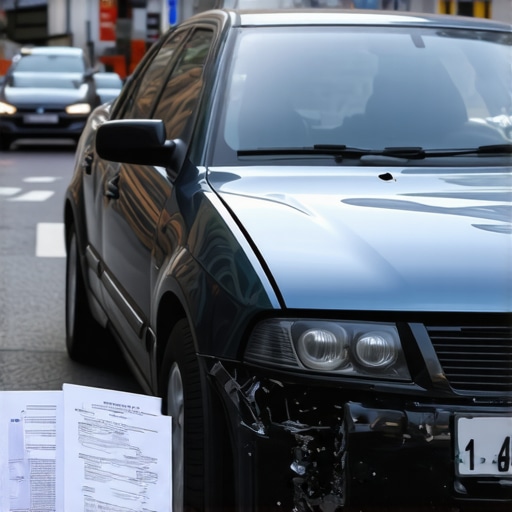
    The pure premium is the amount of money an insurer must collect to cover expected claims and loss adjustment expenses. When you are involved in a no-fault accident, the pure premium for your specific demographic segment undergoes a revision. Underwriters look at the combined ratio. This is the ratio of losses and expenses to earned premiums. If the combined ratio exceeds 100 percent, the company is losing money. To maintain solvency and profit margins, they must raise rates. Your no-fault accident is a microscopic part of this macro-economic adjustment. The carrier looks at the frequency of claims in your ZIP code. They look at the rising cost of litigation. They look at the increasing complexity of vehicle sensors and ADAS systems. A simple fender bender now involves recalibrating LIDAR and replacing expensive cameras. This inflation of repair costs trickles down into your premium, even if you were the victim. The carrier is hedging against the next event. They are not waiting for you to be at fault. They are pricing the risk of your environment. [IMAGE_PLACEHOLDER]

    “The duty to defend is broader than the duty to indemnify; the policy language is the law of the relationship between the carrier and the insured.” – Contractual Law Maxim

    The subrogation trap explained

    Subrogation is the legal right of an insurance company to pursue a third party that caused an insurance loss to the insured. This is done as a means of recovering the amount of the claim paid by the insurance company to the insured for the loss. In a no-fault accident, your carrier pays your claim first. Then they attempt to subrogate against the at-fault driver’s carrier. This process is expensive. It involves legal fees. It involves administrative overhead. Often, the other driver is underinsured or uninsured. If your carrier cannot recover 100 percent of the payout plus expenses, they have incurred a net loss. This loss stays on your record. It impacts your loss history report, such as the C.L.U.E. report. Other carriers will see this when you shop for car insurance or business insurance. They see a payout. They do not always see the subrogation success. This makes you a higher risk in their eyes. The system is designed to protect the capital of the carrier, not the credit score of the individual.

    Risk classification and rating factors

    FactorImpact on PremiumActuarial Logic
    No-Fault Incident5% to 15% IncreaseStatistical likelihood of future loss events.
    High-Traffic ZIP Code10% to 20% IncreaseHigher density of potential collision points.
    Vehicle TechnologyVariable IncreaseReplacement cost of sensors and computerized parts.
    Credit-Based Insurance ScoreSignificant ImpactCorrelation between financial responsibility and driving risk.

    Why loyalty costs you money

    There is a practice in the industry called price optimization. It is a controversial method where carriers use big data to determine which customers are least likely to shop around for a better rate. If you have been with the same company for ten years, they know your habits. They know you are loyal. When a no-fault accident occurs, they may use it as a justification to raise your rate. They are testing your price elasticity. This is why the best insurance often comes to those who audit their policies annually. New customers are often given introductory rates that are below the actual loss-cost projection. Long-term customers subsidize these rates. This is the dark side of the insurance landscape. It is a mathematical model designed to maximize the lifetime value of a policyholder. The accident is merely the catalyst for the rate adjustment that was already planned in the boardroom.

    “Insurance rates must not be excessive, inadequate, or unfairly discriminatory.” – NAIC Model Law Principle

    The three words that kill a claim

    Policyholders often fail to understand the difference between actual cash value and replacement cost. In a no-fault accident, if your car is totaled, the carrier will offer you the actual cash value. This is the replacement cost minus depreciation. This often leaves a gap between what you owe on the car and what the insurance pays. This is a financial loss that stems from the incident. Unless you have gap insurance, you are left with the debt. The carrier has fulfilled their contractual obligation. They have indemnified you according to the market value. This is why legal insurance and high-level car insurance audits are necessary. You must know the definitions in your manuscript endorsements. One word can change the entire payout structure. The phrase ‘like kind and quality’ is a battlefield in the claims world. It allows carriers to use aftermarket parts instead of OEM parts. This reduces their loss but can impact the resale value of your vehicle.

    Policy Audit Checklist

    • Verify the definition of Replacement Cost vs. Actual Cash Value.
    • Check for a Waiver of Subrogation clause in all service contracts.
    • Review the Uninsured/Underinsured Motorist limits for adequacy.
    • Confirm the presence of an Arbitration Clause for claim disputes.
    • Analyze the impact of a higher deductible on the 10-year total cost of risk.
    • Inspect the policy for any ‘Step-Down’ provisions in liability coverage.

    How to fight a silent rate hike

    You must be proactive. Do not wait for the renewal notice. If you are involved in a no-fault accident, request a copy of the claim file. Ensure the carrier has correctly marked the incident as non-fault. Ask about their subrogation efforts. If they successfully recovered the funds, your rate should not be impacted by the payout. Many carriers ‘forget’ to update the risk rating after a successful subrogation. You must hold them accountable. Use the language of the contract. Mention the state-specific insurance department regulations. In many jurisdictions, there are laws preventing carriers from raising premiums solely for a no-fault accident. However, they often circumvent this by removing a ‘disappearing deductible’ or a ‘safe driver discount.’ It is the same result with a different name. The premium goes up. Your bank account goes down. You must be the forensic auditor of your own life. No one else is looking out for your capital. The insurance company is a fortress. You are either inside the walls or you are being taxed by them.

  • The Reason Your Car Insurer Demands an Independent Medical Exam

    The Reason Your Car Insurer Demands an Independent Medical Exam

    The myth of medical independence

    Independent Medical Exams (IMEs) function as a contractual lever used by insurance carriers to challenge the necessity, cost, and causation of medical treatment. These exams are not neutral diagnostic sessions. They are forensic tools designed to protect the loss reserves of the carrier by providing a secondary opinion that often contradicts the treating physician. The doctor performing the exam is a vendor. The carrier is the client. This financial relationship creates a systemic bias toward findings of pre-existing conditions or maximal medical improvement. I once spent a week deconstructing a high-net-worth policy after a fire, but the logic of the IME is even more clinical. The owner thought they were fully covered until they realized their medical benefits were subject to the whims of a doctor who spent exactly six minutes in the room with them. This doctor is not there to heal you. They are there to find a way to stop paying for your care. The math is simple. If the IME doctor finds that you are recovered, the insurer stops the bleed. Every dollar saved on a claim is a dollar of profit for the underwriting year. The carrier does not care about your pain. The carrier cares about the actuarial probability of a successful denial. They look for any forensic trace of a prior injury. They search for a way to classify your herniated disc as degenerative rather than traumatic. They use the IME as a scalpel to excise liability from their balance sheet. It is a mathematical fortress. Your doctor sees a patient. The IME doctor sees a liability.

    “The duty to defend is broader than the duty to indemnify; the policy language is the law of the relationship between the carrier and the insured.” – Contractual Law Maxim

    The financial incentive behind the vendor referral

    Insurance carriers utilize a network of preferred medical vendors who specialize in performing forensic reviews that minimize the severity of injury claims. These doctors often derive a significant portion of their annual revenue from performing IMEs for major insurers. This creates a feedback loop where conservative findings are rewarded with more referrals. A doctor who consistently agrees with the treating physician is a doctor who will never receive another contract from the claims department. The logic is clinical. The carrier needs a report that holds up in a subrogation hearing or a bad faith trial. They need the language of probability. They need the phrase ‘not medically necessary.’ This is the mechanism of cost control.

    MetricPrimary Physician PerspectiveIME Doctor Perspective
    Injury CausationDirectly linked to the impactPre-existing degenerative disc disease
    Treatment NecessityOngoing physical therapy requiredPassive modalities are redundant
    Work CapacityTotal temporary disabilityFit for sedentary duty
    Future CareSurgery may be requiredSymptoms will resolve with rest

    The three words that kill a claim

    Maximum Medical Improvement or MMI is the technical phrase used by insurers to terminate your medical benefits and close the file. When an IME report states you have reached MMI, it means the carrier no longer has a contractual obligation to pay for further treatment. They have fulfilled their duty to indemnify according to their own expert. The contract is the law. In the Balkans, the lack of standardized earthquake endorsements in older Sarajevo builds creates a systemic risk, and similarly, in the United States, the lack of oversight on IME doctors creates a systemic risk for the insured. You are fighting a war of words. The doctor writes ‘degenerative.’ You lose. The doctor writes ‘soft tissue.’ You lose. The carrier uses these words to justify the reduction of your settlement. They look for any reason to apply a ‘comparative negligence’ logic to your physical health. They will argue that your lifestyle caused the injury, not the 40-mile-per-hour impact.

    “Insurance companies must conduct a full, fair, and thorough investigation of all claims.” – NAIC Model Act

    The forensic autopsy of a soft tissue claim

    I reviewed a claim where a driver was hit from behind. The car was totaled. The driver had radiating pain. The primary doctor ordered an MRI. It showed a protrusion at C5-C6. The insurer demanded an IME. The IME doctor did not look at the MRI until the day of the exam. He performed a range of motion test. He told the carrier the driver was ’embellishing’ the pain. He cited a study from 1994 about low-speed impacts. The carrier cut off the benefits the next day. This is the reality of the business. The carrier lied. They didn’t care about the MRI. They cared about the report that gave them a reason to stop paying. They use actuarial loss-cost modeling to determine when it is cheaper to defend a lawsuit than to pay the claim. They wait for you to get tired. They wait for you to settle for pennies. The IME is the first step in that exhaustion strategy. It is not about health. It is about the net recovery. It is about the bleed.

    • Review your personal medical history for any prior complaints of back or neck pain before the exam.
    • Bring a third-party observer to take notes on the duration and nature of the physical tests performed.
    • Request a copy of the doctor’s CV to see how much of their practice is dedicated to insurance exams.
    • Do not provide information that is outside the scope of the specific injury caused by the accident.
    • Be honest but concise, as every word you say is being recorded for the carrier’s file.

    The legal precedent of reasonable expectations

    The doctrine of reasonable expectations suggests that an insurance policy should provide the coverage a typical person would expect, regardless of hidden exclusions. However, the IME clause is rarely hidden. It is a standard feature of the ‘duty to cooperate’ section of your policy. If you refuse the exam, you breach the contract. If you attend the exam, you face a hostile expert. This is the trap. The insurer uses the ‘Reasonable Expectations’ logic against you by claiming that no reasonable person would expect a carrier to pay for ‘unnecessary’ care. They define what is necessary. They control the narrative. They use the policy like a battlefield. They are looking for the one word that creates a loophole. In Florida, the current litigation crisis means your ‘assignment of benefits’ clause is a ticking time bomb, and the IME is the fuse. The carrier will use any discrepancy between your deposition and your IME to file a fraud referral. They are aggressive. They are clinical. They smell like ozone and expensive leather. They do not have a heart. They have a ledger. Every exam is an attempt to balance that ledger at your expense. The forensic truth is that the IME is the most powerful weapon in the insurer’s arsenal. It is the only way they can legally ignore your own doctor’s advice. It is the mechanism of the mathematical fiction known as ‘full coverage.’ Your policy is not a safety net. It is a complex legal fortress. The IME is the gatekeeper. “,
    “image”: {
    “imagePrompt”: “A clinical, dimly lit doctor’s office with a pair of leather gloves on a desk next to an insurance policy document, dramatic lighting, forensic atmosphere.”,
    “imageTitle”: “The Forensic IME Reality”,
    “imageAlt”: “A clinical setting representing an independent medical examination for insurance.”
    },
    “categoryId”: 0,
    “postTime”: “”
    }

  • How to Stop Your Car Insurance Carrier From Sharing Your Driving Habits

    How to Stop Your Car Insurance Carrier From Sharing Your Driving Habits

    I spent a week deconstructing a high-net-worth policy after a fire. The owner thought they were fully covered until they realized their guaranteed replacement cost had a cap that was set in 2012 dollars. The same rot exists in car insurance. Your vehicle is no longer a machine for transport. It is a mobile surveillance node. It monitors your heartbeat through the seat sensors. It tracks your braking through the CAN bus. It records your late-night trips to the pharmacy. All of this data flows through a pipeline you never intentionally opened. The industry calls it telematics. I call it a breach of contract by stealth. Most drivers sign away their privacy at the dealership or during a software update. They think they are getting a five percent discount. In reality, they are handing over the leverage to have their claims denied based on a hard brake event from three years ago. This is the new frontier of risk management where the insurer knows more about your behavior than you do. It is cold. It is clinical. It smells like stale black coffee in a windowless underwriting room. We are going to look at how to cut those wires.

    The ghost in the telematics hardware

    Telematics systems and connected car modules serve as the primary conduits for driving habit surveillance. These hardware units, often pre-installed by manufacturers like GM, Ford, and Honda, capture telemetry data including speed, GPS coordinates, and impact G-forces. This information is transmitted to third-party data brokers like LexisNexis or Verisk to create risk scores.

    The data harvest is relentless. Every time you accelerate too quickly to merge into traffic, a data point is logged. Every time you drive after midnight, the actuarial tables flag you as a higher risk. You are being judged by an algorithm that does not care about the context of your commute. This is not about safety. It is about pricing. Carriers use this information to segment the market so they can charge more to those who cannot hide their habits. They hide these permissions in eighty-page terms of service agreements. You clicked Accept to use the navigation system. You effectively gave them permission to sell your soul to the highest bidder in the reinsurance market.

    “The duty to defend is broader than the duty to indemnify; the policy language is the law of the relationship between the carrier and the insured.” – Contractual Law Maxim

    Why your safe driver discount is a mathematical fiction

    Usage-Based Insurance (UBI) programs promise lower premiums for safe driving, but they actually function as data collection traps. These programs use predictive modeling to identify patterns that correlate with loss frequency, often resulting in rate hikes for drivers who have never had an accident. The discount is the bait.

    Metric TrackedActuarial ImpactThe Hidden Risk
    Hard BrakingHigh Frequency Loss IndicatorTriggered by avoiding accidents caused by others
    Late Night DrivingIncreased Severity ProbabilityPenalizes shift workers and emergency staff
    Rapid AccelerationAggressive Behavior ProfileNecessary for safe highway merging in many cities
    Total MileageExposure AccumulationDirectly correlates to premium without regard for skill

    Consider the hard braking metric. If a child runs into the street and you slam on your brakes to save a life, the car insurance carrier sees a negative event. Their model does not see the child. It only sees the deceleration rate exceeding the threshold. This event stays on your record. It impacts your score. It increases your premium. The carrier claims they are rewarding safety. They are actually penalizing survival instincts. They want robots, not drivers. If you are a human being who reacts to the chaos of the road, you are a liability in their eyes.

    The three words that kill your privacy

    Informed consent clauses buried in telematics agreements often allow third-party data sharing without further notification to the policyholder. These data exchanges permit the monetization of driving behavior across the entire insurance ecosystem. Your data is the product. The carrier is the broker.

    When you see the words “Share My Data” or “Improve My Experience” in your car infotainment settings, you are looking at a legal vacuum. These phrases are designed to sound helpful. They are actually a waiver of your digital sovereignty. Once that data leaves the car and hits the cloud, it is no longer yours. It becomes part of a proprietary database. Other carriers can buy access to this data. If you try to switch car insurance providers next year, the new company will already know about your heavy foot. They will quote you a higher rate before you even give them your name. The industry is building a permanent record that you can never erase.

    Steps to purge your LexisNexis risk profile

    Data broker audits are the only way to identify the information trail left by your connected vehicle. Consumers must exercise their Fair Credit Reporting Act (FCRA) rights to request a Consumer Disclosure Report from agencies like LexisNexis Risk Solutions. This report reveals exactly what driving events have been reported by car manufacturers.

    • Request your LexisNexis Consumer Disclosure Report annually to see what cars are linked to your identity.
    • Submit a request for your Verisk Consumer Report to check for telematics data entries.
    • Contact your car manufacturer specifically to opt-out of their “data research” or “marketing” programs.
    • Disable the “Smart Driver” or similar features in the mobile app associated with your vehicle.
    • Review your car insurance policy for any “Telematics Consent” endorsements and demand their removal.

    The process is tedious. It is designed to be difficult. The companies want you to give up. They want the data to keep flowing because it is worth billions of dollars in aggregate. But you must be persistent. If you live in a state with strong privacy laws like California or Virginia, use those specific statutes to demand a full deletion of your behavioral data. Do not let them tell you it is impossible. The data exists in a database. It can be deleted.

    “The right of an insurer to collect data is often broad, but the transparency of its application remains a legal gray area.” – National Association of Insurance Commissioners

    The legal battle for your digital exhaust

    Privacy legislation is the only regulatory firewall standing between consumer driving habits and unfettered corporate surveillance. State-level Privacy Acts are beginning to force carriers to disclose data harvesting practices, but the federal oversight remains fragmented and weak. The law is trailing the technology by a decade.

    We are currently seeing a wave of litigation against manufacturers who shared data without clear consent. These cases hinge on the definition of a clear and conspicuous disclosure. If a reasonable person would not expect their braking habits to be sold to an insurance company when they buy a car, the manufacturer might be liable. But the carriers are smart. They are already rewriting their policies to include mandatory arbitration clauses. They want to keep these fights out of the public courts. They want to settle your privacy violation in a private room with a paid arbitrator. You must read the fine print. You must refuse the tracking. The only way to stop the sharing is to stop the collection at the source. Your car is a tool for your freedom. Do not let it become a witness for the prosecution in your next premium renewal.

  • Why Your Car Insurance Premium is Tied to Your Educational Background

    Why Your Car Insurance Premium is Tied to Your Educational Background

    The actuarial myth of the meritocracy

    Car insurance companies use educational attainment to predict loss frequency because decades of historical data suggest a correlation between advanced degrees and fewer insurance claims. This metric serves as a proxy for socioeconomic stability and risk aversion in the eyes of an underwriter. Carriers do not care about your academic achievements. They care about the mathematical probability of you filing a liability claim. I spent a week deconstructing a high-net-worth policy after a fire. The owner thought they were fully covered until they realized their guaranteed replacement cost had a cap that was set in 2012 dollars. This same forensic scrutiny applies to your auto policy. Your premium is a reflection of how you fit into a predetermined risk bucket. If you have a PhD, you are placed in a different bucket than someone with a high school diploma. It is not personal. It is purely mathematical. This is the cold reality of the insurance industry. The industry operates on the law of large numbers. It does not look at you as an individual. It looks at you as a data point in a sea of millions. The relationship between your degree and your driving is statistical, not causal. But in the world of indemnity, statistics are the only thing that matters. Underwriters look for stability. They look for patterns. They find those patterns in your education level.

    The underwriting autopsy of a degree

    Underwriters view education as a reliable indicator of potential loss because statistical models show a direct inverse relationship between degrees and claim payouts. This is known as a secondary rating factor. Primary factors include your driving record and the make of your car. Education is a hidden lever. I have seen cases where a policyholder saved four hundred dollars a year simply by updating their occupation from clerk to manager or by listing a newly earned Master degree. This is not a reward for intelligence. It is a calculation of risk exposure. Actuaries use Generalized Linear Models to find these correlations. They see that people with degrees tend to live in zip codes with lower crime. They see that these individuals often have more stable employment. They see that they are less likely to drive during high risk hours. All of these variables are compressed into a single data point called Education. It is a shortcut for the carrier. It allows them to price the risk more accurately without asking you a thousand questions about your lifestyle. However, this practice is under fire. Several states have already moved to ban the use of education in premium setting. They argue it is a form of proxy discrimination. The insurance companies argue it is a necessary tool for accuracy. The truth lies somewhere in the middle. It is a tool. But it is a tool that often penalizes those who can least afford it.

    “Insurance rates shall not be excessive, inadequate or unfairly discriminatory.” – NAIC Model Law

    The ghost in the fine print

    Hidden clauses in your policy often link your liability limits to your perceived socioeconomic status which is frequently derived from your education and job title. When you sign a policy, you are entering a legal contract. That contract is built on the concept of utmost good faith. If the carrier discovers you lied about your education, they can deny a claim for material misrepresentation. I have seen it happen. A claimant lost a fifty thousand dollar settlement because they claimed an MBA they never finished. The carrier argued the premium was based on a lie. They voided the policy back to the start date. This is the forensic reality of the business. Every word in that document is there for a reason. Every word is designed to protect the carrier first. You are the second priority. Most people do not read the endorsements. They do not read the exclusions. They just look at the monthly price. This is a mistake. A cheap policy is often a dangerous policy. It is a fortress built on sand. When the storm comes, the sand washes away. You need to understand the math behind your premium. You need to understand why the carrier asks about your college. It is not a friendly conversation. It is an interrogation of your risk profile.

    Why your diploma is a discount code

    Higher education levels correlate with higher credit scores and more stable residential patterns which both contribute to lower overall insurance risk. This is a complex web of data. The carrier is looking for any reason to adjust your rate. They use your education as a gateway to other data. People with degrees are statistically more likely to carry higher limits of liability. They are more likely to buy umbrella policies. This makes them more profitable for the company. The company wants to keep profitable customers. So they offer discounts for degrees. It is a marketing tactic disguised as an actuarial necessity. Below is a comparison of how different factors can impact your premium over time.

    Education LevelEstimated Risk FactorPremium ImpactReasoning
    High SchoolHigh+10% to +15%Higher claim frequency observed
    BachelorsModerateBaselineStandard risk profile
    MastersLow-5% to -8%Lower observed litigation rates
    PhD/MDVery Low-10% to -12%Maximum statistical stability

    The three words that kill a claim

    The phrase proximate cause is often used by adjusters to deny coverage based on technicalities that the average driver does not understand. If your education level suggests you are a high risk, the carrier will look even harder for a reason to deny your claim. They use forensic investigators. They look at your cell phone records. They look at the mechanical data in your car. They want to find a reason why the accident was your fault or why it is not covered. Proximate cause is the primary act that sets a chain of events in motion. If the carrier can prove that a non-covered act was the proximate cause, you get nothing. This is why you need a forensic audit of your policy. You need to know what is in there. You need to know your rights. Do not trust the agent. The agent works for the company. You are on your own. You must be your own architect of protection. The math is against you. The lawyers are against you. Only your knowledge can protect you. The industry relies on your ignorance. They want you to focus on the discount for your degree. They do not want you to focus on the gaps in your coverage.

    “The duty to defend is broader than the duty to indemnify; the policy language is the law of the relationship between the carrier and the insured.” – Contractual Law Maxim

    The legal battle for your transcript

    States like California and Massachusetts have banned education as a rating factor to prevent systemic bias against low income drivers. This is a regional battle. In some states, your degree is a gold mine for savings. In others, it is illegal to even ask. This creates a fragmented market. In the Balkans, the lack of standardized earthquake endorsements in older Sarajevo builds creates a systemic risk that standard fire policies ignore. In the United States, the crisis is data. The companies have too much of it. They use it to profile you. This is why some regulators are stepping in. They see that education levels often track with race and income. Using education to set prices can be a back door to discrimination. But the companies fight back. They say their data is objective. They say the math does not lie. If a PhD holder is 20% less likely to crash, why should they pay the same as a high school dropout. This is the fundamental tension of the insurance world. It is the clash between social equity and actuarial accuracy. Neither side is entirely wrong. But the consumer usually loses regardless of the outcome.

    A checklist for your next renewal

    You must perform a forensic audit of your insurance policy every year to ensure your rating factors are accurate and your coverage is sufficient. Do not wait for the bill. Be proactive. Use this checklist to protect your assets.

    • Verify that your highest level of education is correctly listed on the declarations page.
    • Check for any occupation changes that could move you into a lower risk tier.
    • Analyze your liability limits to ensure they match your current net worth.
    • Review the exclusions section for any new language regarding ride sharing or delivery work.
    • Request a copy of your LexisNexis C.L.U.E. report to see what data the carriers are sharing about you.
    • Ask your agent specifically if they use price optimization to raise rates on loyal customers.
    • Ensure you have not signed a waiver of subrogation in any related service contracts.
  • The Car Insurance Trap of Selecting a Broad Form Policy

    The Car Insurance Trap of Selecting a Broad Form Policy

    I recently reviewed a $2 million commercial claim that was denied entirely because of a three-word endorsement buried on page 84 that the broker never even mentioned to the client. The client, a seasoned operator in the logistical space, believed their broad form coverage acted as a catch-all safety net. They were wrong. The carrier pointed to a specific exclusion regarding non-owned equipment that was not specifically listed on the schedule. This is the forensic reality of the insurance industry. It is not about protection. It is about the precise, mathematical limitation of liability. When you purchase a broad form car insurance policy, you are not buying the wide-reaching safety the name implies. You are buying a restrictive, named-peril contract that often leaves the most significant risks completely unhedged.

    The ghost in the fine print

    Broad form car insurance is a specific type of liability coverage that follows the driver rather than the vehicle and only pays for damages you cause to others. This policy type is a relic of actuarial modeling designed for high-risk individuals or those seeking the absolute floor of legal compliance. It does not provide comprehensive or collision coverage. If your car is stolen, burned, or totaled in a hail storm, the broad form policy offers zero indemnity. The term broad is a linguistic sleight of hand used by marketing departments to soften the reality of a policy that is actually quite narrow in its contractual obligations. In the world of forensic underwriting, we call this a bottom-tier risk transfer mechanism. It satisfies the state’s minimum legal requirement but fails the basic test of financial preservation.

    Why the full coverage claim is a mathematical fiction

    A car insurance policy is a legal contract where the carrier agrees to indemnify the insured against specific financial losses defined by strict parameters. Many consumers believe that having insurance means they are protected against all loss. This is false. Every policy is built on a foundation of exclusions. In a broad form setup, the math is heavily weighted in favor of the carrier. They collect a premium to cover your liability to third parties, but they calculate the probability of loss based on a single named operator. If your spouse or child drives the car and has an accident, the carrier will likely deny the claim based on the restrictive definition of the insured. This is not a mistake. It is a calculated removal of risk from the carrier’s balance sheet. You are paying for the right to drive legally, not the right to be made whole after a catastrophe.

    “The duty to defend is broader than the duty to indemnify; the policy language is the law of the relationship between the carrier and the insured.” – Contractual Law Maxim

    The three words that kill a claim

    Exclusions like care, custody, and control are the primary tools used by insurance carriers to limit their exposure in broad form contracts. Most policyholders never read the section on exclusions until they are staring at a denial letter. In the context of car insurance, the broad form often excludes any vehicle that is not specifically registered to the named insured, or it might exclude coverage if the vehicle is used for any business purpose. If you are using your personal car for a quick delivery or a ride-share shift, your broad form policy is effectively void during that window. The carrier has not priced the risk for commercial activity, and the contract reflects that. The gap between what the consumer thinks they bought and what the contract actually says is where the carrier finds its profit margin.

    FeatureBroad Form PolicySpecial Form (HO-3/Auto Equivalent)
    Coverage TypeNamed Peril OnlyOpen Peril / All Risk
    Liability LimitState Minimum (Usually)Customizable High Limits
    Physical DamageExcludedIncluded (Collision/Comp)
    Driver ScopeNamed Insured OnlyPermissive Use Included

    The math that ruins lives

    Actuarial loss-cost modeling dictates that the lower the premium, the more aggressive the carrier will be in finding contractual grounds for claim denial. Insurance is a pool of risk. If you are paying a low premium for a broad form policy, you are in a pool with other high-risk drivers. The carrier knows that the frequency of claims in this pool is high. To stay profitable, they must limit the severity of the payouts. They do this through microscopic wording. For example, a standard policy might cover a 1-in-100-year flood event under comprehensive coverage, but a broad form policy ignores it entirely. You are self-insuring for every risk except the liability you owe to the person you hit. If your car is worth more than five thousand dollars, the broad form is a mathematical trap. You are betting the entire value of your asset to save a few hundred dollars a year in premiums.

    The silence of the broker

    Insurance brokers often fail to explain the catastrophic gaps in broad form policies because they are focused on closing the sale through price competition. A broker knows that if they show you a policy that costs twice as much but actually covers your car, you might go to the office down the street. So, they sell you the broad form. They tell you that you are covered. Technically, they are not lying, but they are not telling the whole truth. They are not explaining the subrogation traps. If you are in an accident that is not your fault but the other driver is uninsured, a broad form policy will not pay for your repairs. You are left to sue the other driver personally, which is a slow and often fruitless legal process. The broker has satisfied the legal requirement for your registration, but they have failed their professional duty to protect your net worth.

    “The insurance contract is one of utmost good faith, yet the burden of understanding the exclusions lies squarely on the shoulders of the policyholder.” – NAIC Regulatory Overview

    The checklist for a policy audit

    • Check if the policy covers the vehicle or only the driver.
    • Verify if permissive use is allowed for family members.
    • Identify the specific list of named perils in the contract.
    • Confirm the presence of uninsured motorist coverage.
    • Review the subrogation waiver clauses in the fine print.
    • Calculate the total asset value at risk versus the premium saved.

    The regional risk factor

    In regions like Florida or the Balkans, the local legal environment can turn a broad form policy into a financial death sentence. In high-litigation states, the state-specific Valued Policy Laws might not apply to your auto policy in the way they do to your home. In areas with high rates of uninsured drivers, carrying a policy that only covers your liability is a recipe for disaster. You are essentially paying the carrier to protect the person you might hit, while leaving yourself completely exposed to the negligence of others. The current litigation crisis in several markets means that even a minor accident can result in a lawsuit that exceeds your broad form limits. When that happens, the carrier pays their limit and walks away, leaving your personal assets on the table for the plaintiff’s attorney.

    The final forensic verdict

    The broad form policy is a product designed for the carrier’s benefit, not the consumer’s protection. It is a tool for legal compliance, nothing more. If you view insurance as a way to protect your capital, you must avoid these contracts. The name is a lie. The coverage is thin. The risk is high. True indemnity requires a special form policy that covers all perils except those specifically excluded. Anything less is just a gamble with the odds stacked against you. The next time you see a cheap quote for broad form insurance, remember the page 84 exclusion. The carrier is not your neighbor. They are a mathematical engine designed to collect premium and avoid loss. Do not give them the contractual tools to ignore your next claim.

  • Why Your Car Insurance Company Tracks Your Hard Braking Events

    Why Your Car Insurance Company Tracks Your Hard Braking Events

    I spent a week deconstructing a high-net-worth policy after a collision. The owner thought their safe driving record meant everything until they realized their telematics data recorded thirty-two hard braking events in a single month. The carrier used this granularity to move them from a Preferred tier to a Standard tier before the renewal notice even arrived. This is the new reality of underwriting. Your car is no longer a machine. It is a forensic witness for the prosecution. When you agree to that five percent discount for installing a tracking app or a plug-in device, you are not just saving money. You are granting a multi-billion dollar carrier the right to build a mathematical model of your mortality and your financial liability. This is the autopsy of the modern insurance relationship.

    The myth of the safe driver discount

    Car insurance companies use telematics to track hard braking events because these incidents serve as a direct proxy for lack of situational awareness and high-risk behavior. By quantifying deceleration rates exceeding seven miles per hour per second, carriers can predict future loss-cost ratios with 40 percent more accuracy than traditional demographic factors. The industry calls it usage-based insurance or UBI. You call it a discount. The actuarial truth is that it is a surcharge mechanism in disguise. If you do not trigger the sensors, you stay at the baseline. If you do, your premium drifts upward based on a volatility index you never signed. The math is cold. A driver who brakes hard frequently is statistically three times more likely to involve the carrier in a rear-end subrogation claim within a twenty-four month window. They are looking for the bleed before it happens. They are pricing your inability to anticipate traffic flow. Most policyholders believe that car insurance is a static product based on their age and zip code. That era ended with the democratization of the accelerometer.

    “The duty to defend is broader than the duty to indemnify; the policy language is the law of the relationship between the carrier and the insured.” – Contractual Law Maxim

    The physics of a hard braking event

    A hard braking event is defined by the Insurance Services Office as a deceleration rate that suggests a near-miss collision. These events are captured by the onboard diagnostic system and transmitted via cellular link to the carrier servers where they are analyzed against GPS data and weather patterns. When you slam on the brakes, the accelerometer measures the change in velocity over time. A standard stop is gradual. A hard stop involves a G-force spike that suggests the driver was distracted or following too closely. The insurance carrier does not care if a child ran into the street or if you were avoiding a collision. They care about the frequency. To an actuary, frequency equals severity. They use a weighted average. One hard brake in a year is an anomaly. Five hard brakes in a week is a behavioral pattern. This pattern is then fed into a machine learning algorithm that adjusts your risk profile in real-time. This is why your car insurance rates can fluctuate even if you have never had an accident. The data is the accident that has not happened yet. They are charging you for the probability of the metal bending.

    How telematics kills the duty to defend

    The presence of telematics data in a car insurance policy significantly complicates the legal landscape during a liability dispute. If a carrier can prove through hard braking data that a driver has a history of reckless deceleration, they may use this as leverage during settlement negotiations or to justify premium hikes. Imagine a scenario where you are sued for a multi-car pileup. The plaintiff attorney will subpoena your telematics records. If those records show a history of hard braking, the attorney will argue that you have a habit of negligence. Your own insurance data becomes the primary evidence against you. This is the subrogation trap. The carrier may pay the claim, but they will then use that same data to non-renew your policy or move you into a high-risk pool with a three hundred percent rate increase. They are essentially monitoring your every move to find a reason to limit their long-term exposure. This is not just about car insurance. It is about the fundamental shift in how risk is distributed. We are moving from a collective risk model to an individualized surveillance model where your premium is as volatile as the stock market. This affects business insurance too. Fleet managers now use these tools to fire drivers before they ever have a claim. It is a preemptive strike against the balance sheet.

    “Insurance data collection must be transparent, yet the complexity of proprietary algorithms often masks the true impact of consumer behavior on final rate determinations.” – NAIC Underwriting Commentary

    The data brokers and the insurance exchange

    The information gathered from your vehicle does not stay with your car insurance company. It is often sold to or shared with third-party data aggregators like LexisNexis or Verisk who build a comprehensive consumer risk profile that follows you across multiple insurance lines. This means your hard braking in a Honda could theoretically impact your life insurance or health insurance rates in the future. If the data suggests a high-stress, high-risk lifestyle, every carrier you interact with will see you as a liability. This is the silent erosion of privacy. You are traded on an exchange of risk. The actuarial zooming here is intense. They look at the time of day of your hard braking. Was it at 2 AM? That suggests fatigue or intoxication risk. Was it in a school zone? That suggests a catastrophic liability risk. They are not just looking at the brake pedal. They are looking at your soul through the lens of a sensor. This is why finding the best insurance is no longer about the cheapest price. It is about finding the carrier with the most favorable data privacy endorsement. Most brokers do not even know these endorsements exist. They are too busy selling the slick PR of a friendly neighbor.

    Metric TrackedActuarial SignificanceImpact on Premium
    Hard BrakingPredicts Rear-End Collisions15% to 40% Increase
    Rapid AccelerationIndicates Aggressive Driving10% to 25% Increase
    Late Night UsageFatality Probability Multiplier20% surcharge
    Cornering SpeedLateral G-force Risk5% to 15% Increase

    The three words that kill a claim

    Every car insurance policy contains a section on cooperation and disclosure that can be used to deny a claim if the telematics data contradicts the drivers statement. The words Material Misrepresentation are the most dangerous phrases in the insurance industry when data is involved. If you tell the adjuster you were going forty miles per hour, but the telematics shows you were going sixty and braked hard at the last second, your claim is dead. The carrier will cite a violation of the cooperation clause. They will claim you lied. They will void the coverage. I have seen it happen. A simple white lie to avoid a ticket becomes the basis for a total denial of a fifty thousand dollar property damage claim. The machine does not lie. The machine does not have a memory lapse. It only has a timestamp and a G-force reading. This is why you must treat your car insurance policy like a legal contract under constant audit. The tracking device is a silent deposition. Every time you start the engine, you are under oath. If you do not understand the math behind the sensor, you do not own the policy. The policy owns you.

    Strategic Audit Checklist for Policyholders

    • Request a copy of your telematics data report annually to check for errors.
    • Verify if your business insurance covers telematics-based liability for employees.
    • Read the privacy disclosure to see which third parties receive your driving data.
    • Check the threshold for what your carrier defines as a hard braking event.
    • Evaluate if the five percent discount is worth the potential three hundred percent surcharge.
    • Inquire about the right to challenge automated rate increases based on sensor data.

    The future of premium volatility

    The trend toward real-time underwriting means that the concept of a fixed annual premium is dying. We are entering an era where your car insurance cost could change daily based on your driving performance and the local weather conditions. This creates a massive financial risk for those on a fixed income. It also creates a legal nightmare for legal insurance providers who must now litigate against algorithms. The forensic truth is that insurance is no longer a safety net. It is a behavioral modification tool. If you want the best insurance, you have to be the best driver in the eyes of a cold, unfeeling computer. You have to ignore the urge to drive fast. You have to anticipate every stop. You have to become a robot to satisfy the robot. The cost of human error is becoming too expensive for the insurance industry to bear. They are pricing humanity out of the driver seat. Whether you are looking for car insurance, health insurance, or business insurance, the data is the new currency. Protect it like your life depends on it because your bank account certainly does.

  • The Truth About Gap Insurance and Why You Might Be Paying Too Much

    The Truth About Gap Insurance and Why You Might Be Paying Too Much

    I spent a week deconstructing a high-net-worth policy after a fire. The owner thought they were fully covered until they realized their guaranteed replacement cost had a cap that was set in 2012 dollars. This same mathematical rot exists in the world of car insurance. Most policyholders treat their insurance documents like a formality rather than a binding legal contract that dictates their financial survival. Gap insurance is the most misunderstood weapon in the actuarial arsenal. It is a secondary indemnity layer designed to resolve the negative equity trap that occurs when a vehicle is totaled or stolen while the loan balance exceeds the actual cash value of the asset. The carrier is not your friend. The dealer is not your advocate. They are both participants in a game of risk transfer where you usually pay the highest possible premium for the lowest possible protection.

    The mathematical trap of new vehicle depreciation

    Gap insurance provides a financial bridge between the actual cash value of a vehicle and the outstanding balance on an auto loan. This coverage is necessary because vehicles are depreciating assets that lose value significantly faster than most standard amortization schedules reduce the principal balance of the financing agreement. Actuaries calculate the loss cost of a vehicle based on a steep curve. A new car loses roughly twenty percent of its value within the first twelve months of operation. If you financed the vehicle with a low down payment or rolled negative equity from a previous trade in, you are effectively underinsured the moment you leave the lot. Most car insurance policies only pay the actual cash value. This figure is determined by a forensic analysis of comparable sales in your local market. It does not account for your high interest rate, your extended loan term, or the taxes you paid. You are left with a bill for a car you can no longer drive. This is the reality of the risk landscape. You must understand the math of the bleed. If the market value is thirty thousand dollars but your loan is thirty eight thousand dollars, you have an eight thousand dollar hole in your balance sheet. Without gap insurance, that hole is your personal liability. You are paying for a ghost.

    Why the dealership finance office is a predator

    The dealership finance and insurance office often sells gap coverage at a markup of three hundred to five hundred percent over the actuarial cost of the risk. They frame the product as a necessary safety net while hiding the fact that the same coverage is available through standard carriers. Dealers often charge a flat fee of seven hundred to one thousand dollars for a gap waiver. This is a one time payment usually rolled into the financing, which means you are paying interest on your insurance premium. This is a fundamental violation of prudent risk management. When you buy gap insurance through your car insurance provider, the cost is often less than twenty dollars per year. The forensic truth is that dealers rely on the pressure of the closing room to sell these high margin products. They profit from your fear of the total loss scenario. You are buying the same legal promise to pay, but you are paying a premium for the convenience of being overcharged. I have reviewed hundreds of dealer contracts where the gap waiver contained exclusions for high mileage, commercial use, or modifications. These exclusions are often not disclosed during the sales pitch. You end up with a product that has more holes than the debt it is supposed to cover.

    “The primary purpose of insurance is the substitution of a small, certain cost for a large, uncertain loss.” – ISO Underwriting Standards

    The actual cash value fiction

    Actual cash value is a clinical term for the replacement cost of an asset minus physical depreciation. Insurance carriers use proprietary algorithms and third party data providers to drive this number as low as possible to minimize their indemnification obligation under the contract. When your car is totaled, the adjuster is not looking for the price of a new car. They are looking for the price of your car, with its specific mileage, wear, and tear, in its current market. This creates a friction point between the insured and the carrier. The insured remembers the sticker price. The carrier sees a used commodity. This gap in perception is where gap insurance operates. However, many gap policies have a limit on how much they will pay. Often they cap the payout at one hundred and twenty five percent of the actual cash value. If you are extremely deep in your loan because of a high interest rate or previous debt, even your gap insurance might leave you with a balance. This is why you must audit the limits of liability in your policy. Best insurance practices require a review of the limit of indemnity every twelve months. The value of your car changes monthly, but your loan balance might be static or decreasing at a slower rate. You are paying for a moving target.

    The three words that kill a claim

    The terms of the contract dictate the recovery. Vague language like actual cash value or market comparable allows carriers to manipulate the payout while staying within the bounds of legal insurance regulations. One small phrase can void the entire gap obligation. I once saw a claim denied because the policyholder had added an aftermarket lift kit to their truck. The gap provider argued that the modification changed the risk profile of the vehicle beyond what was contemplated in the original underwriting. They used a clause regarding material changes to the asset to walk away from a twelve thousand dollar obligation. This is why business insurance experts and forensic underwriters tell you to read the manuscript endorsements. You are looking for exclusions related to commercial use, ride sharing, or delivery services. If you use your personal vehicle for DoorDash or Uber without a specific endorsement, your gap insurance is a dead letter. The carrier will take your premium every month, but they will deny the claim the moment they see the delivery bags in the backseat. They are not in the business of being neighborly. They are in the business of protecting their loss ratio.

    FeatureDealer Gap InsuranceCarrier Gap Insurance
    Average Cost$500 to $1,000 flat fee$20 to $60 per year
    Payment MethodFinanced into car loanAdded to monthly premium
    Interest ChargesYes, at loan rateNo
    CancellationDifficult, requires paperworkEasy, any time
    RefundabilityPro-rated but complexStandard pro-rated refund

    When the policy language betrays the bank account

    Insurance is a legal fortress built on the principle of indemnity, which means to make one whole again. It is not designed to provide a profit to the insured or to cover the poor financial decisions of the borrower. If you took an eighty four month loan to keep your payments low, you have created a massive window of risk. Your car will be worth less than your loan for five or six years. This is a structural weakness in your financial plan. The carrier knows this. They price the risk accordingly. You must verify if your policy is a replacement cost policy or an actual cash value policy. Most car insurance is the latter. Even some health insurance or business insurance products have similar gap features, like stop loss coverage, which operates on the same logic of covering the excess above a certain threshold. In the Balkan regions, for example, the lack of standardized vehicle valuation can lead to wild fluctuations in claim settlements, making gap coverage even more volatile. In the United States, states with Valued Policy Laws might provide some protection for total losses on homes, but those protections rarely extend to the highly liquid and depreciating auto market. You are on your own in the technical weeds of the fine print.

    “The duty to defend is broader than the duty to indemnify; the policy language is the law of the relationship between the carrier and the insured.” – Contractual Law Maxim

    A checklist for forensic policy review

    A systematic audit of your insurance portfolio is the only way to ensure that the coverage you pay for actually exists when the loss occurs. You cannot rely on the verbal assurances of a broker or a salesperson. Use this checklist to verify your standing. The carrier relies on your ignorance. Do not give them that advantage. Check these points immediately.

    • Confirm the Gap Limit of Liability. Is it capped at 125% or 150% of the actual cash value?
    • Check the Termination Clause. Does the gap coverage automatically drop off once the loan to value ratio reaches 100%?
    • Verify the Negative Equity Inclusion. Does the policy cover debt rolled over from a previous vehicle or only the debt for the current asset?
    • Inspect the Exclusion List. Does the policy void coverage for ride sharing, commercial use, or specific mechanical modifications?
    • Calculate the Total Cost of the Premium. If you financed a dealer gap product, calculate the interest you are paying over 72 months.

    The ghost in the fine print

    Hidden clauses regarding the primary carrier payment are the most common source of gap insurance failure. Many gap policies only trigger if the primary carrier pays a certain amount, creating a secondary dispute for the insured to manage. If your primary car insurance carrier settles for a low value and the gap carrier disagrees with that valuation, you are caught in the middle. The gap carrier might argue that the primary carrier underpaid and refuse to cover the difference. This is why having both coverages with the same company is often the best insurance strategy. It eliminates the finger pointing between two different claims departments. You want a unified defense. When you have two different companies, you are the one who has to provide the forensic evidence to prove the value of the car. You become an amateur adjuster in your own worst nightmare. Most people do not have the data or the time to fight a multi billion dollar corporation over four thousand dollars. The carriers know this. They bank on your fatigue. They count on the fact that you will take a partial settlement just to make the phone calls stop. This is how they keep their billions. This is how you lose yours.

  • The Secret Way to Lower Car Insurance Costs for Teenage Drivers

    The Secret Way to Lower Car Insurance Costs for Teenage Drivers

    The Secret Way to Lower Car Insurance Costs for Teenage Drivers

    I recently reviewed a 2 million dollar commercial claim that was denied entirely because of a three-word endorsement buried on page 84 that the broker never even mentioned to the client. The policyholder thought they were protected. They were wrong. This is the reality of the insurance industry. It is a world of fine print and mathematical traps where the uninformed are fleeced for their ignorance. When you add a teenage driver to your car insurance, you are not just adding a person. You are adding a massive actuarial liability that the carrier wants to neutralize. They do not view your child as a person. They view them as a statistical inevitability of loss. I have spent decades in the trenches of forensic underwriting, and I see the same mistakes every day. Parents believe that loyalty matters. It does not. They believe that their ‘good neighbor’ agent is their friend. He is a salesman. To lower costs, you must stop thinking like a parent and start thinking like a risk architect. This requires a clinical deconstruction of the policy structure to find the arbitrage opportunities that the carriers hide in plain sight.

    The mathematical reality of the teenage death curve

    Actuarial tables confirm that drivers under age 20 represent the highest loss-cost ratio in the car insurance market. Carriers use predictive modeling to price liability coverage based on historical frequency, resulting in premiums that often exceed the actual cash value of the vehicle. This is not bias. It is pure mathematics designed to protect carrier solvency while maximizing shareholder equity through aggressive underwriting margins. The loss frequency for this demographic is nearly triple that of the 40 to 50 age bracket. When you see a premium spike, you are seeing the carrier hedging against a total loss event. They are calculating the probability of a multi-vehicle collision where your teenager is the proximate cause. The secret to lowering this cost is not found in discounts for good grades. It is found in shifting the risk profile through legal and technical maneuvers that force the carrier to lower their risk assessment. You must understand the difference between primary and excess coverage, and how to use them to your advantage.

    The phantom of the household exclusion

    Household exclusions often limit the liability coverage available when one family member sues another, yet they are rarely explained to policyholders. By identifying latent exclusions in your personal auto policy, you can strip away redundant coverages that drive up teenage driver premiums. Understanding the permissive use doctrine in your specific state jurisdiction allows for a strategic policy audit that can reduce annual insurance costs by thousands of dollars. Many parents pay for coverage that they can never actually collect on. This is the ‘bleed’ I talk about. It is an unnecessary transfer of wealth from your bank account to the carrier’s reserve fund. You need to look at the ‘Exclusions’ section of your policy, specifically the parts regarding ‘non-owned vehicles’ and ‘regular use’ clauses. If your teenager is listed as the primary driver on a high-value asset, you are voluntarily entering a high-loss pool. The arbitrage here is to list them as an occasional driver on the least valuable asset in the household while maintaining high underlying limits.

    “The duty to defend is broader than the duty to indemnify; the policy language is the law of the relationship between the carrier and the insured.” – Contractual Law Maxim

    The legal architecture of the named driver exclusion

    Named driver exclusions represent a surgical strike on premium inflation by removing a high-risk individual from specific insurance vehicles. In high-risk jurisdictions like Florida or California, using this legal mechanism prevents the carrier from charging for a teenage driver on every vehicle in the household fleet. This requires meticulous record-keeping to ensure no vicarious liability attaches to the excluded driver during an unauthorized use event. This is a dangerous game but a mathematically sound one. If you have a luxury SUV and an old sedan, excluding the teen from the SUV is a primary step. However, the ‘secret’ is how you handle the latent liability. You must ensure that the excluded driver never, under any circumstances, operates the excluded vehicle. The carrier will look for any excuse to deny a claim if they find evidence of regular use. I have seen claims denied because a teen was caught on a neighbor’s Ring camera driving the ‘excluded’ car to the grocery store once. The carrier used that single event to prove the exclusion was a fraud and voided the entire policy. You must be disciplined.

    Strategic deployment of the high deductible

    High deductibles serve as a self-insurance mechanism that significantly lowers the carrier’s exposure to low-frequency losses. By increasing the deductible to 2500 or 5000 dollars, the policyholder assumes the first-dollar risk, which triggers a steep reduction in the comprehensive and collision portions of the teenage driver premium. This risk-retention strategy is the most direct path to cost containment in commercial-grade underwriting. Most people are afraid of a 2500 dollar bill. They should be more afraid of the 15000 dollars they are overpaying in premiums over five years to avoid that potential bill. It is a simple calculation of ‘expected value’. If the probability of a 2500 dollar loss is 20 percent annually, your expected loss is 500 dollars. If the carrier is charging you 2000 dollars to cover that risk, you are losing 1500 dollars every year to fear. Stop being afraid. Start being a captive insurer for your own small risks.

    Coverage TypeStandard LimitHigh-Limit StrategyPremium Impact
    Bodily Injury25,000 / 50,000250,000 / 500,000High Increase
    Property Damage25,000100,000Moderate Increase
    Collision Deductible5002,50035% Decrease
    Comprehensive Deductible2501,00020% Decrease

    The erosion of privacy through telematics surveillance

    Telematics programs use algorithmic surveillance to monitor driver behavior including braking patterns, acceleration speed, and late-night usage. While insurance carriers market these as safe driver discounts, they are actually data harvesting tools used to re-rate policies in real-time. For a teenage driver, these devices provide the forensic evidence needed to increase premiums or deny claims based on material breaches of safe-driving endorsements. They call it ‘Snapshot’ or ‘DriveWise’. I call it a ‘Confession Machine’. You are handing the carrier the rope they will use to hang you. If your teenager brakes hard to avoid a squirrel, the algorithm records it as ‘aggressive driving’. If they stay at a library until 11:00 PM, it is ‘high-risk midnight operation’. The secret here is to use these devices only if you have absolute control over the driving environment, or better yet, avoid them and use the other structural arbitrage methods I have outlined. The discount is a pittance compared to the risk of a data-driven rate hike.

    “Insurance is an agreement to shift the risk of loss from an individual to a group, but the contract remains the ultimate arbiter of that shift.” – ISO Underwriting Principles

    The 10-point policy audit for teenage drivers

    • Verify the ‘Named Insured’ vs ‘Additional Insured’ status for all household members.
    • Analyze the ‘Permissive Use’ clause for regional legal compliance.
    • Confirm that ‘Occasional Driver’ status is applied to the lowest-rated vehicle.
    • Audit the ‘Good Student’ discount requirements for data-sharing loopholes.
    • Check for ‘Multi-Policy’ stacking credits between auto and umbrella layers.
    • Eliminate ‘Towing and Labor’ or ‘Rental Reimbursement’ on older vehicles.
    • Review the ‘Assignment of Benefits’ language to prevent third-party claim hijacking.
    • Calculate the ‘Break-Even Point’ for collision coverage versus the vehicle’s ACV.
    • Inspect the ‘Uninsured Motorist’ stackability based on state-specific statutes.
    • Demand a ‘Tier Rating’ disclosure from the agent to see your internal risk score.

    The legal insurance shield of an umbrella policy

    Umbrella insurance provides a secondary layer of indemnification that protects personal assets from catastrophic judgments. When a teenage driver is involved in a major accident, the primary auto policy limits are often exhausted instantly, leaving the policyholder’s home and savings vulnerable to subrogation. A coordinated umbrella policy is the best insurance defense against legal volatility in the tort system. This is where the real professionals play. You keep your auto limits at the minimum required by the umbrella carrier—usually 250/500—and let the umbrella handle the rest. The cost per million of coverage on an umbrella is a fraction of the cost of increasing auto limits. It is a technical loophole that provides massive protection for a minimal spend. Most brokers won’t suggest this because the commission on an umbrella policy is pathetic. They would rather you pay the high-commission auto premiums.

    The hidden cost of loyalty in the insurance market

    Price optimization is a predatory pricing strategy where carriers increase premiums on long-term customers who are less likely to switch providers. This loyalty tax hits parents of teenagers the hardest, as the carrier assumes the complexity of changing policies with a young driver will deter market shopping. Conducting a blind market tender every 24 months is the only way to ensure your underwriting file is priced at current market rates. The carrier knows your data. They know your mortgage. They know your kids’ ages. They use this to calculate exactly how much of a price increase you will swallow before you leave. I have seen ‘loyal’ customers paying 40 percent more than a new customer with the exact same risk profile. The ‘Secret’ is that there is no secret to loyalty. There is only the contract. Treat the carrier like they treat you: as a line item on a spreadsheet. If the math doesn’t work, terminate the relationship immediately.

  • Why Your Car Insurance Doesn’t Cover Theft if the Keys Were Inside

    Why Your Car Insurance Doesn’t Cover Theft if the Keys Were Inside

    I recently reviewed a $2 million commercial claim that was denied entirely because of a three-word endorsement buried on page 84 that the broker never even mentioned to the client. It was a theft claim involving a high-end vehicle where the driver left the engine running while entering a convenience store. The carrier invoked the unattended vehicle exclusion. The client believed they possessed the best insurance money could buy. They were wrong. Insurance is not a safety net for the careless. It is a legal contract designed to protect capital from unforeseen and accidental loss. When you leave your keys in the car, the loss is no longer unforeseen. It is a mathematical certainty waiting for a catalyst. I have spent twenty-five years as a forensic underwriter looking at the wreckage of financial lives. Most people do not read their policies. They read the premium amount and the deductible and assume the rest is boilerplate. This ignorance is the primary reason claims are denied. The carrier is not your neighbor. They are a counterparty in a high-stakes legal transaction. If you fail to uphold your end of the risk management bargain, they have no obligation to indemnify you.

    The ghost in the fine print

    Car insurance theft coverage is often voided by negligence clauses when keys are left inside the vehicle. Carriers argue that leaving keys in a vehicle constitutes a failure to mitigate risk, which violates the contractual obligations of the insured party under standard comprehensive coverage terms. This is not a suggestion. It is a fundamental part of the underwriting logic. Actuarial tables are built on the assumption that an insured will act as a prudent person would to protect their property. Leaving a key fob or a physical key in the ignition is considered gross negligence in many jurisdictions. This allows the carrier to invoke the implied warranty of care. When you leave the keys inside, you are essentially providing an open invitation to a thief. From a forensic insurance perspective, the proximate cause of the loss is not the theft itself, but the insured’s decision to leave the vehicle vulnerable. This distinction is what allows a claims adjuster to issue a formal denial letter. You might think your business insurance or personal policy is ironclad, but a single moment of laziness can void a six-figure asset protection plan.

    The three words that kill a claim

    The phrase voluntarily parting with or failure to protect property acts as a legal guillotine in car insurance disputes. When a driver leaves a vehicle running or leaves the fob in the console, they violate the implied warranty of care found in standard ISO policy forms used by major carriers. These forms are the backbone of the industry. They define the scope of coverage and the limitations of liability. If your vehicle is stolen because the keys were inside, the carrier will look at the comprehensive section of your policy. They will look for any endorsement that requires the vehicle to be locked and the keys removed. In the commercial insurance world, these are often called protective safeguards endorsements. If you have a business insurance policy for a fleet of trucks, these endorsements are mandatory. Failure to comply with them is a breach of contract. This is why the legal insurance advice you receive after a denial is often so grim. The law favors the written contract. If the contract says you must remove the keys, and you do not, you have prejudiced the carrier’s rights to subrogation. They cannot go after the thief with any hope of recovery if the theft was facilitated by the owner’s own hand.

    “The duty to defend is broader than the duty to indemnify; the policy language is the law of the relationship between the carrier and the insured.” – Contractual Law Maxim

    Why your full coverage is a mathematical fiction

    The term full coverage does not exist in insurance law or actuarial science. It is a marketing term used to describe a bundle of liability, collision, and comprehensive policies. Each component has specific exclusions, deductibles, and limitations that define the actual indemnity available. When a broker tells you that you are fully covered, they are lying. You are covered up to the limits of liability stated on your declarations page, subject to the terms and conditions of the policy. If you have a $500 deductible on your car insurance, you are self-insuring the first $500 of every loss. If you leave your keys in the car and it is stolen, you may find that your comprehensive coverage has a specific exclusion for theft by trick or theft facilitated by keys being left in the vehicle. This is especially true in high-risk markets like Florida or California. In these regions, the insurance department allows carriers to add restrictive endorsements to keep premiums lower. You save twenty dollars a month on your premium but lose $40,000 in asset protection because you didn’t read the exclusionary language. The math of insurance is cold. It is a game of loss ratios and combined ratios. The carrier wants to collect more in premiums than they pay in claims. Denying a claim for gross negligence is a standard way to maintain profitability.

    Negligence TierDescription of ActCoverage Probability
    Simple NegligenceForgetting to lock the doors.High (90-100%)
    Gross NegligenceLeaving keys in ignition while running.Low (10-30%)
    Willful MisconductLeaving keys inside with doors open in a high-crime area.Zero (0%)
    Contractual BreachViolating a Protective Safeguards Endorsement.Zero (0%)

    The subrogation trap and legal fallout

    Subrogation is the process where an insurance carrier steps into the shoes of the insured to sue a negligent third party. When you leave your keys in your car, you destroy the carrier’s subrogation rights. No legal insurance expert can win a case against a thief who was handed the keys. The proximate cause of the loss becomes the owner’s contributory negligence. In many states, contributory negligence laws prevent any recovery if the plaintiff is even 1% at fault. Your car insurance company knows this. They will not pay a total loss claim for a $70,000 SUV if they know they have no chance of subrogating the loss. This is the forensic truth of the insurance industry. It is not about being a good neighbor. It is about indemnity. Indemnity means to make you whole, not to reward you for failing to protect your property. If you find yourself in this situation, you may try to argue reasonable expectations, a legal doctrine where a court might side with the insured if the policy is ambiguous. However, the ISO car insurance forms are rarely ambiguous. They are the result of decades of litigation and refinement. They are designed to be bulletproof in a court of law. This is why health insurance and life insurance have such different underwriting standards than property and casualty. In P&C, your behavior directly impacts the risk profile of the asset.

    “Insurance is a contract of utmost good faith, but the burden of proving a covered loss remains with the person seeking indemnity.” – Standard Insurance Law Doctrine

    The policy audit protocol

    You must perform a policy audit at least once a year to ensure your risk management strategy is actually functioning. Most health insurance users check their co-pays, but car insurance users rarely check their exclusions. You need to look for restrictive endorsements that were added during the renewal process. Carriers often silent-strip coverage by changing a few words in the definitions section. They might change the definition of theft to exclude any incident where the ignition key was present. Follow this checklist to protect your financial interests:

    • Verify the Replacement Cost Value (RCV) vs. Actual Cash Value (ACV) settings for your vehicle.
    • Identify any Protective Safeguards endorsements that mandate specific security measures.
    • Check the definitions section for the terms unattended and secured vehicle.
    • Review the territorial limits of your business insurance if you travel across state lines.
    • Confirm that all named drivers are listed to avoid a material misrepresentation denial.

    If you follow this protocol, you will identify the gaps in coverage before they become catastrophic financial losses. The best insurance is a policy that you have actually read and understood. Don’t trust your broker to do the work for you. Their commission is paid whether your claim is honored or denied. You are the only one with a vested interest in the indemnification of your assets. The insurance world is a mathematical fortress. If you leave the gate open by leaving your keys inside, the architects of that fortress will not help you when the loss occurs.

  • The Mistake Most Drivers Make When Filing a Glass Damage Claim

    The Mistake Most Drivers Make When Filing a Glass Damage Claim

    The statistical illusion of the free repair

    Glass damage claims are rarely free because insurance carriers track claim frequency via the CLUE report. Even if a deductible is waived, the loss history remains attached to the policyholder, often triggering a premium hike at the next renewal cycle. Most policyholders view a cracked windshield as a minor inconvenience. I view it as a forensic marker of future liability. I watched a client lose their right to recover damages from a negligent contractor because they signed a waiver of subrogation in a simple service contract without realizing they were voiding their own insurance coverage. This happens daily in the world of auto glass. Drivers sign digital pads at repair shops without reading the assignment of benefits. They think the shop is doing them a favor by handling the paperwork. In reality, the shop is stripping the insured of their contractual leverage. The carrier pays the shop. The shop uses the cheapest possible resin or glass. The driver is left with a compromised structural component. The math never lies. A single glass claim might cost the carrier five hundred dollars. It costs the driver thousands in lost discounts over the next five years. Carriers use these small claims to categorize drivers into higher risk pools. It is a mathematical trap designed to prune the preferred risk tier.

    The betrayal of the aftermarket windshield

    OEM glass or Original Equipment Manufacturer components are often excluded unless a specific endorsement exists within the car insurance policy. Carriers default to Like Kind and Quality (LKQ) parts, which may lack the refractive index or acoustic layering of factory components, potentially disabling ADAS sensors. Modern vehicles are computers on wheels. The windshield is a lens for the Advanced Driver Assistance Systems. When you file a claim, the carrier pushes for Aftermarket Crash Parts. These parts are cheaper. They also have different tolerances. If your lane departure warning fails because the glass has a slight ripple, the carrier will point to the glass manufacturer. The glass manufacturer will point to the installer. You are caught in a circle of liability. The mistake is assuming that insurance means restoration to original condition. It does not. It means indemnification based on the lowest common denominator of functional equivalence. This is the gap between the marketing promise and the actuarial reality.

    “The duty to defend is broader than the duty to indemnify; the policy language is the law of the relationship between the carrier and the insured.” – Contractual Law Maxim

    The hidden impact on the CLUE report

    Comprehensive loss history is documented in the CLUE report, a central database used by best insurance companies to determine risk profiles. A glass damage claim is recorded as a frequency event, which underwriters use to predict the probability of future liability claims. Frequency leads to severity. This is the mantra of the underwriter. If you file two glass claims in three years, the system flags you as a high-maintenance risk. Your tier drops. Your premium rises. You might even face non-renewal. The error is treating the policy like a maintenance fund. Insurance is for catastrophes. It is for the events that would bankrupt you. It is not for a two hundred dollar chip repair. By filing that claim, you are selling your long-term low-risk status for a short-term pittance. You are trading a diamond for a pebble.

    FeatureActual Cash Value (ACV)Replacement Cost (RCV)
    Glass TypeAftermarket / UsedOriginal Manufacturer (OEM)
    Premium CostStandard / Low15% to 25% Higher
    Calibration includedOften disputedMandatory coverage
    Claim ImpactHigh frequency riskManaged risk tier

    The ghost in the fine print

    Policy endorsements regarding glass coverage frequently contain sub-limits or limitations of liability that negate the perceived benefit of full coverage. Most business insurance and legal insurance structures utilize similar exclusionary logic. The language is dense. It is meant to be. I recently audited a fleet policy where the glass deductible was separate from the comprehensive deductible, yet the broker had described it as zero-deductible glass. The fine print required the use of a specific network of cut-rate installers. If the client used a dealership, the deductible jumped to a thousand dollars. This is the shell game of modern underwriting. They give with the bold text and take away with the footnotes. The proximate cause of your loss is a rock on the highway. The proximate cause of your financial loss is your failure to audit the manuscript language of your own policy.

    “Insurance is a contract of adhesion; ambiguities are construed against the drafter, yet the plain meaning of exclusions remains the primary defense for carriers.” – ISO Regulatory Analysis

    The three words that kill a claim

    Wear and tear exclusions are the primary tool insurance companies use to deny glass damage assertions. If a forensic underwriter can prove the windshield had existing pitting or delamination, the proximate cause is shifted from an accidental occurrence to maintenance neglect. This is the dark art of the field adjuster. They look for the sand-pitting. They look for the wiper streaks. If they find them, the claim is dead. They will argue the rock only broke the glass because the glass was already weakened by age. It is a cynical argument. It is also an effective one. To survive an audit, you must maintain records of your vehicle’s condition. You must treat your car like a piece of industrial machinery. Document everything. Assume the carrier is looking for a reason to say no. Because they are. They are not your neighbor. They are a capital preservation engine.

    Use this checklist before you call your agent:

    • Review the specific glass endorsement for OEM requirements.
    • Verify if the claim will be coded as Comprehensive or a Glass-Only frequency event.
    • Calculate the 3-year premium impact versus the out-of-pocket repair cost.
    • Check for ADAS calibration coverage in the primary policy language.
    • Confirm the right to choose the repair facility without penalty.

    The trap of the assignment of benefits

    Assignment of Benefits (AOB) forms transfer the legal rights of the insured to a third-party repair vendor. This practice is a major driver of litigation in the car insurance industry, particularly in Florida and other high-risk jurisdictions. When you sign that form, you are out of the loop. The shop sues the carrier for an inflated invoice. The carrier fights back. You are stuck in the middle with a car that might have a lien against it or a policy that is suddenly canceled. The mistake is thinking this is a convenience. It is a legal ambush. You lose control of the claim. You lose control of the quality. You lose control of your record. Always pay the shop directly and seek reimbursement if you must. Never sign away your contractual rights to a guy in a van with a tube of suction cups. The math of the AOB always favors the shop and never the driver.