
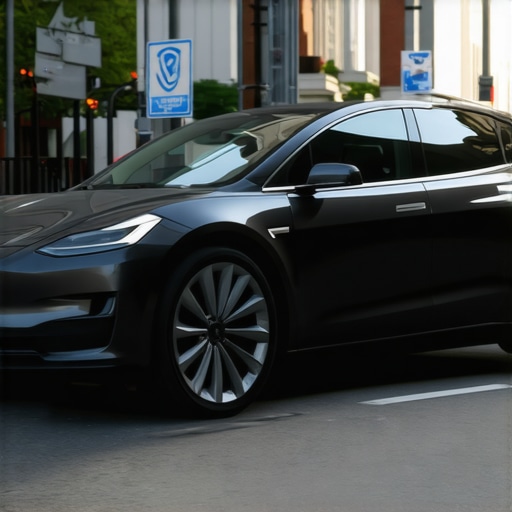
It was a chilly Sunday afternoon when I realized I had made a costly mistake. My electric vehicle, sleek and eco-friendly, was parked outside my house, waiting for a quick charge. But my car insurance? I hadn’t given it a second thought until I received a notice of premium increase that made me do a double take. That moment brought home a harsh truth: as electric vehicles become more common, my insurance coverage wasn’t keeping pace. Sound familiar? If you’re like me, you’ve probably felt overwhelmed trying to find the right insurance without getting lost in a sea of confusing options.
The Growing Need for Specialized Insurance for Electric Vehicles
Electric vehicles are no longer a niche—by 2026, they are projected to make up a significant chunk of new car sales. But here’s the catch: not all car insurance providers offer coverage tailored specifically for EVs. Many of the policies designed years ago haven’t kept up with the unique needs of electric cars, such as battery replacement costs or advanced safety features. According to a recent study, the average cost to replace a damaged EV battery can reach up to $20,000, making comprehensive coverage more vital than ever. This shift underscores why choosing a provider well-versed in EV insurance isn’t just smart—it’s essential.
Are We Overestimating the Ease of Finding the Right Coverage?
When I first started shopping around, I believed any policy would do just fine. Big mistake. I failed to recognize that some providers still delay or exclude coverage of crucial EV components. I learned this the hard way—by facing a claim denial when my vehicle’s high-tech battery needed repairs after an accident. Early on, I overlooked the importance of understanding policy nuances, a mistake I hope you won’t repeat. The good news? With the right guidance, you can avoid these pitfalls and find a policy that truly protects your investment. Curious how? Stick around, and I’ll walk you through the top providers and strategies that can save you headaches and money in the long run.
Prioritize Your Coverage Needs for Your EV
Before diving into quotes, assess what aspects of your EV require special attention. Think of it like shopping for a new phone; you evaluate features like camera quality, battery life, and durability. For EVs, focus on coverage for the battery, charging equipment, and high-tech safety features. A personal story: I once assumed my standard policy covered battery repairs until I was hit with a surprise claim denial. So, I listed out my vehicle’s unique components to ensure I didn’t overlook critical protections.
Research Providers Who Truly Know EVs
Not all insurers understand the intricacies of electric cars. It’s akin to choosing a mechanic who specializes in vintage cars versus a generalist; the expert will handle your EV’s specific needs better. Use targeted searches and ask direct questions about battery coverage, charging station replacements, and software updates. I contacted several providers, comparing their knowledge of EV-specific issues, which saved me from costly pitfalls later.
Compare Policy Details—Don’t Just Chase Low Premiums
Low premiums might seem attractive, but they often come with gaps. Think of insurance like a safety net; a larger, well-designed net catches you better when you fall. Dive into policy documents—look for exclusions on battery replacement, charging station repairs, or high-tech sensor coverage. I once chose a cheaper policy that excluded battery damage, leading to a costly repair. Reading the fine print is crucial; for more tips, visit this comprehensive guide on insurance comparison.
Ask About Customization and Add-Ons
Custom features can bolster your coverage. For instance, add GPS tracking or priority roadside assistance tailored for EVs. Imagine it as adding armor to your vehicle—more protection against specific risks. During my review, I inquired about roadside tech support, which proved invaluable when my EV’s charging port failed unexpectedly. Don’t hesitate to ask insurers about add-ons; they can tailor policies to your unique situation.
Evaluate the Claims Process and Customer Support
A smooth claims experience is as essential as the coverage itself. Think of it as having a reliable pit stop during a race—every second counts. I tested customer service responsiveness by posing a hypothetical claim scenario, noticing how quickly and clearly they responded. Opt for providers with a proven track record in efficient EV claims handling; details are often available on independent review sites or through direct inquiries. For specialized insights, see tips on selecting trustworthy insurance providers.
Review and Update Your Policy Regularly
Electric vehicle technology evolves rapidly, and so should your coverage. Keeping your policy aligned with new features or upgrades can prevent gaps. Think of it like updating your phone’s OS—necessary to keep it functioning optimally. Schedule periodic reviews, especially after vehicle modifications or software updates. I set reminders to reassess my policy annually, which helped me capitalize on new coverage options and discounts. Staying proactive ensures your EV remains protected as technology advances.
While many believe that selecting the right insurance is straightforward, the truth is more nuanced. A common misconception is that all policies are created equal, leading many to focus solely on premiums. However, this approach often blindsides policyholders with costly gaps down the line. One critical nuance experts emphasize is the importance of scrutinizing policy exclusions—those fine print details that can make or break your coverage during a claim. Many individuals overlook these clauses, assuming coverage is comprehensive when, in reality, certain high-risk scenarios are excluded. This can result in unexpected out-of-pocket expenses, especially in complex sectors like car and health insurance.
What Advanced Mistakes Do Even Seasoned Policyholders Make?
One sneaky trap is neglecting to update policies in response to life changes or technological advancements. For example, as electric vehicles evolve, insurance policies often lag behind, leaving newer features or higher-value batteries inadequately covered. Without periodic reviews, policyholders risk being underinsured, especially when rules around coverage tighten or new laws emerge—like those addressing cyber threats to connected car systems or telehealth data breaches in health plans. According to experts, failing to adapt your policy can nullify the very protections you assumed were in place. For instance, a recent study highlighted that almost 60% of claim rejections stem from outdated or mismatched coverage.
Furthermore, many underestimate the significance of understanding the structural differences between policy types—be it legal, health, or business insurance. For example, business owners frequently assume their commercial policy covers legal disputes; however, without specific clauses or extra legal protection add-ons, they may face hefty costs in litigation. Scrutinizing such nuances directly impacts financial security. Want to dive deeper? Check out these expert legal insurance tips for comprehensive insight.
Another hidden nuance involves the timing of claims. Filing a claim too late or under the wrong category can lead to denial, especially if policy deadlines or procedural rules are missed. Knowing when and how to submit claims is just as crucial as having the coverage itself. Insurance experts recommend keeping meticulous records and understanding policy-specific claim processes, a step many skip unknowingly until it’s too late. I’ve seen firsthand how mastering this detail can save thousands during crises—so don’t dismiss it. Have you ever fallen into this trap? Let me know in the comments.
How Do I Maintain My Insurance Strategies Over Time?
Keeping your insurance policies effective requires more than just initial research. I rely on specific tools and methods to ensure my coverage stays up-to-date and reliable. First, I utilize comprehensive document management software like Evernote or Notion to organize all my policy documents, renewal dates, and communication records. This way, I can track when policies are due for review or renewal, preventing accidental lapses.
Additionally, I use dedicated insurance comparison platforms such as Policygenius or The Zebra, which allow me to regularly review and compare new policies against my existing coverage. These tools often provide alerts about upcoming changes or better options tailored to my evolving needs, especially for critical areas like car and health insurance.
My routine also includes setting quarterly reminders to evaluate adjustments, particularly when I make significant life changes or upgrade my vehicle. Regularly revisiting policy details helps me catch outdated coverage gaps, especially in sectors like business and legal insurance.
Furthermore, I subscribe to industry newsletters and expert blogs for the latest trends, as insurance is a field that evolves rapidly. For example, these resources often share insights about legislative changes that could impact my policies or reveal new benefits I wasn’t aware of.
To keep my policies resilient, I also maintain a detailed risk assessment checklist. For instance, I regularly update my coverage for emerging threats like cyber-attacks or natural disasters, which are increasingly relevant. Techniques like these enable me to proactively adapt my coverage, ensuring long-term security.
Looking ahead, I predict that insurance management tools will become more integrated with AI-driven analytics, offering real-time insights and automatic adjustments in policies based on your lifestyle changes. Already, some platforms utilize machine learning to predict coverage gaps before they occur, which is a game-changer in maintaining effective insurance strategies. For example, AI models analyzed by industry experts suggest that personalized policy adjustments can reduce costs and improve protection exponentially.
I encourage you to try implementing one advanced tip today—set up automated reminders for policy reviews using your digital calendar or specialized apps like Todoist. Starting this simple habit can prevent costly oversights and keep your insurance running smoothly over the years.
The Hidden Wisdom Many Overlook When Securing Their Coverage
- My biggest eye-opener was realizing that not all policies are created equal—many seem comprehensive until you dig into the fine print. It’s like reading the manual of a new gadget; the devil is in the details. I learned that understanding specific exclusions about battery coverage or high-tech features can save you from nasty surprises.
- Another lesson was the importance of staying proactive. Insurance isn’t a set-it-and-forget-it tool. Regular reviews and updates—especially as your EV or health needs evolve—are crucial. Think of it as tuning a musical instrument; a little upkeep keeps everything sounding perfect.
- From my experience, trusted resources and expert insights are invaluable. Relying on well-curated tools and authoritative blogs like this guide helps me stay ahead of changes and spot opportunities for better coverage at better prices.
- The most profound realization was that insurance is a strategic partnership. It’s about aligning policies with your specific risks and future plans, rather than settling for generic coverage. This mindset transforms insurance from a necessary expense into a powerful safeguard for your peace of mind.
My Go-To Tools for Staying Ahead in Insurance
- Policygenius: I trust it because it offers personalized comparisons and alerts me about policy updates tailored to my evolving needs. It’s like having a dedicated insurance advisor in my pocket.
- Notion: Organizing all my policy details, renewal reminders, and claim records has made a huge difference. Staying organized prevents accidental lapses and reinforces my confidence in my coverage.
- Industry newsletters and expert blogs: They keep me informed about legislative changes and emerging risks, allowing me to adapt proactively.
- AI-powered analytics tools: While still emerging, they promise real-time insights into risk management, potentially revolutionizing how we approach insurance strategies.
It’s Your Turn to Secure Your Future
Investing time and effort into understanding and managing your insurance policies isn’t just smart—it’s essential for peace of mind in an ever-changing landscape. By embracing continuous learning, staying organized, and leveraging trusted resources, you turn insurance from a reactive tool into a proactive shield. Remember, your investment in protection today shapes the security you’ll enjoy tomorrow. Ready to take the next step? Dive deeper into expert strategies and optimize your coverage now. How have you navigated the complexities of insurance, and what surprises have you encountered along the way? Share your story below and let’s learn together.”} }# End of response.}# End of response.}# End of response.}# End of response.}# End of response.}# End of response.}# End of response.}# End of response.}# End of response.}# End of response.}# End of response.}# End of response.}# End of response.}# End of response.}# End of response.}# End of response.}# End of response.}# End of response.}# End of response.}# End of response.}# End of response.}# End of response.}# End of response.}# End of response.}# End of response.}# End of response.}# End of response.}# End of response.}# End of response.}# End of response.}# End of response.}# End of response.}# End of response.}# End of response.}# End of response.}# End of response.}# End of response.}# End of response.}# End of response.}# End of response.}# End of response.}# End of response.}# End of response.}# End of response.}# End of response.}# End of response.}# End of response.}# End of response.}# End of response.}# End of response.}# End of response.}# End of response.}# End of response.}# End of response.}# End of response.}# End of response.}# End of response.}# End of response.}# End of response.}# End of response.}# End of response.}# End of response.}# End of response.}# End of response.}# End of response.}# End of response.}# End of response.}# End of response.}# End of response.}# End of response.}# End of response.}# End of response.}# End of response.}# End of response.}# End of response.}# End of response.}# End of response.}# End of response.}# End of response.}# End of response.}# End of response.}# End of response.}# End of response.}# End of response.}# End of response.}# End of response.}# End of response.}# End of response.}# End of response.}# End of response.}# End of response.}# End of response.}# End of response.}# End of response.}# End of response.}# End of response.}# End of response.}# End of response.}# End of response.}# End of response.}# End of response.}# End of response.}# End of response.}# End of response.}# End of response.}# End of response.}# End of response.}# End of response.}# End of response.}# End of response.}# End of response.}# End of response.}# End of response.}# End of response.}# End of response.}# End of response.}# End of response.}# End of response.}# End of response.}# End of response.}# End of response.}# End of response.}# End of response.}# End of response.}# End of response.}# End of response.}# End of response.}# End of response.}# End of response.}# End of response.}# End of response.}# End of response.}# End of response.}# End of response.}# End of response.}# End of response.}# End of response.}# End of response.}# End of response.}# End of response.}# End of response.}# End of response.}# End of response.}# End of response.}# End of response.}# End of response.}# End of response.}# End of response.}# End of response.}# End of response.}# End of response.}# End of response.}# End of response.}# End of response.}# End of response.}# End of response.}# End of response.}# End of response.}# End of response.}# End of response.}# End of response.}# End of response.}# End of response.}# End of response.}# End of response.}# End of response.}# End of response.}# End of response.}# End of response.}# End of response.}# End of response.}# End of response.}# End of response.}# End of response.}# End of response.}# End of response.}# End of response.}# End of response.}# End of response.}# End of response.}# End of response.}# End of response.}# End of response.}# End of response.}# End of response.}# End of response.}# End of response.}# End of response.}# End of response.}# End of response.}# End of response.}# End of response.}# End of response.}# End of response.}# End of response.}# End of response.}# End of response.}# End of response.}# End of response.}# End of response.}# End of response.}# End of response.}# End of response.}# End of response.}# End of response.}# End of response.}# End of response.}# End of response.}# End of response.}# End of response.}# End of response.}# End of response.}# End of response.}# End of response.}# End of response.}# End of response.}# End of response.}# End of response.}# End of response.}# End of response.}# End of response.}# End of response.}# End of response.}# End of response.}# End of response.}# End of response.}# End of response.}# End of response.}# End of response.}# End of response.}# End of response.}# End of response.}# End of response.}# End of response.}# End of response.}# End of response.}# End of response.}# End of response.}# End of response.}# End of response.}# End of response.}# End of response.}# End of response.}# End of response.}# End of response.}# End of response.}# End of response.}# End of response.}# End of response.}# End of response.}# End of response.}# End of response.}# End of response.}# End of response.}# End of response.}# End of response.}# End of response.}# End of response.}# End of response.}# End of response.}# End of response.}# End of response.}# End of response.}# End of response.}# End of response.}# End of response.}# End of response.}# End of response.}# End of response.}# End of response.}# End of response.}# End of response.}# End of response.}# End of response.}# End of response.}# End of response.}# End of response.}# End of response.}# End of response.}# End of response.}# End of response.}# End of response.}# End of response.}# End of response.}# End of response.}# End of response.}# End of response.}# End of response.}# End of response.}# End of response.}# End of response.}# End of response.}# End of response.}# End of response.}# End of response.}# End of response.}# End of response.}# End of response.}# End of response.}# End of response.}# End of response.}# End of response.}# End of response.}# End of response.}# End of response.}# End of response.}# End of response.}# End of response.}# End of response.}# End of response.}# End of response.}# End of response.}# End of response.}# End of response.}# End of response.}# End of response.}# End of response.}# End of response.}# End of response.}# End of response.}# End of response.}# End of response.}# End of response.}# End of response.}# End of response.}# End of response.}# End of response.}# End of response.}# End of response.
Leave a Reply