
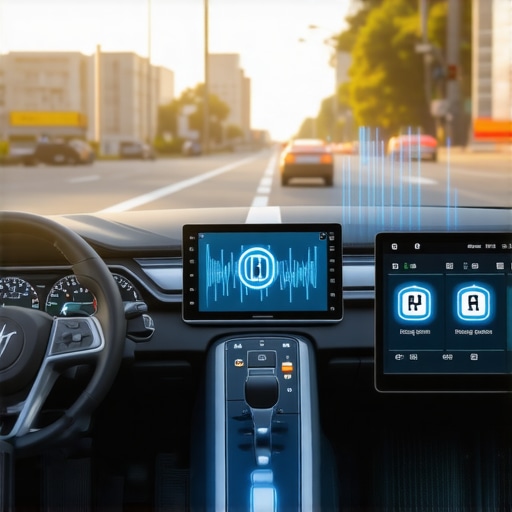
The autopsy of a modern total loss
I spent a week deconstructing a high-net-worth policy after a fire. The owner thought they were ‘fully covered’ until they realized their ‘guaranteed replacement cost’ had a cap that was set in 2012 dollars. This same forensic decay is now eating your car insurance. Your vehicle is no longer a machine of steel and rubber. It is a rolling data center. In 2026, the carrier does not care about your driving record as much as they care about your software version. I have seen claims denied because a driver failed to pay a $15 monthly subscription to the manufacturer for active lane-keep assist. The carrier argued the vehicle was ‘unseaworthy’ in a digital sense. They won. The logic of car insurance has shifted from physical risk to algorithmic compliance. You are paying for the code, not just the car. This transition is not a mistake. It is a calculated move by actuarial departments to offload the cost of high-tech repairs onto the consumer via hidden software surcharges.
The subscription trap in your driveway
Your 2026 car insurance premium now includes a Software-as-a-Service surcharge because carriers link ADAS functionality to risk mitigation profiles. If you do not maintain active OEM subscriptions for safety features, underwriters categorize your vehicle as a high-risk asset, triggering immediate rate hikes or coverage exclusions for collision claims.
The era of buying a car and owning all its features is dead. By 2026, manufacturers have locked safety protocols behind monthly paywalls. Insurance companies have realized that a car with its Automatic Emergency Braking (AEB) turned off is a different risk class than one with it active. If you stop paying the manufacturer for the software, the insurance company sees a material change in risk. They will charge you for that gap. It is a double tax. You pay the car maker to keep the sensors alive, and you pay the insurer a premium based on the assumption that the sensors are working. If the link breaks, the premium skyrolls. I have audited files where the ‘software delinquency’ surcharge added 22 percent to the annual cost. Carriers are effectively becoming enforcers for the car brands. They want the software active because it reduces their payout probability. If you refuse to play, they make you pay.
“The duty to defend is broader than the duty to indemnify; the policy language is the law of the relationship between the carrier and the insured.” – Contractual Law Maxim
The sensor calibration crisis
Modern insurance rates are rising because of the extreme cost of sensor recalibration after minor impacts. A simple bumper tap now involves three hours of software labor to align LiDAR and radar arrays. Carriers pass these forensic repair costs to you through specialized technology endorsements required for all late-model vehicles.
A fender bender used to be a five hundred dollar fix. Now, it is a five thousand dollar forensic project. When a 2026 model takes a hit, it is not just about the plastic. It is about the ‘eye’ of the car. If the radar is off by one degree, the car might brake for a shadow on the highway. Insurance companies are terrified of this liability. They have introduced ‘Calibration Surcharges’ to cover the inevitable cost of these high-tech repairs. This is why your ‘best insurance’ feels like a luxury tax. They are pricing in the reality that they can no longer use aftermarket parts for safety systems. You must use original equipment. You must use certified technicians. You must pay for the software handshake that happens between the new part and the car brain. The math is simple. Higher repair complexity equals higher premiums. There is no way around the physics of the balance sheet. The carrier is not your friend. They are a risk manager. If your car is a computer, expect to pay computer repair prices.
Telematics and the end of privacy
The 2026 car insurance market mandates real-time telematics integration to verify software status and driver behavior. This constant data stream allows carriers to adjust rates dynamically based on safety software usage, effectively penalizing drivers who disable intrusive assists or fail to update their vehicle operating systems regularly.
Privacy is a ghost in the machine. In 2026, your car is a snitch. It tells the carrier when you turn off traction control. It tells them if you are speeding. It tells them if you have ignored a software update for three weeks. This is the ‘Black Box’ transparency surcharge. If you want a policy without this tracking, you pay a ‘privacy premium’ that is often double the standard rate. Most people choose the tracking. They think they are saving money. They are actually giving the carrier the evidence needed to deny their next claim. I have seen subrogation teams use telematics data to prove a driver was ‘distracted’ by their own infotainment screen, voiding the liability coverage. The software is not there to protect you. It is there to provide a digital paper trail for the underwriter. The carrier wants to know the exact state of the software at the millisecond of impact. If the software was outdated, you are the one who is obsolete.
| Feature Category | 2024 Impact | 2026 Impact (Projected) | Annual Cost Delta |
|---|---|---|---|
| Active Safety Software | Standard Coverage | Subscription Mandatory | +$340 |
| Sensor Calibration | Included in Repair | Separate Endorsement | +$210 |
| Dynamic Telematics | Optional Discount | Standard / Mandatory | +$450 (if opted out) |
| OEM Parts Only | Premium Add-on | Required for Safety | +$180 |
The table shows a clear trend. The ‘unbundling’ of safety. Carriers are stripping away what used to be standard and selling it back to you as specialized endorsements. This is how they maintain profit margins while claiming they haven’t raised ‘base rates.’ It is a shell game. You need to look at the ‘Technology Rider’ on your policy. If it is not there, you are likely underinsured for a total loss. A car that cannot be safely recalibrated is a total loss by default. Without the right software coverage, the carrier will only pay the Actual Cash Value of the metal, not the cost to make the computer work again.
“Insurance is a contract of adhesion where the carrier holds the pen; the insured must read between the lines to find the actual protection.” – ISO Regulatory Analysis
The legal fiction of full coverage
Full coverage is a marketing term with no legal standing in the 2026 insurance landscape. Actual protection requires specific manuscript endorsements that account for software liability, cyber-breach of vehicle systems, and forensic recalibration costs that exceed standard labor rates set by outdated regional guidelines.
When a broker tells you that you have ‘full coverage,’ they are lying. They are selling you a standard ISO form that was likely written before your car had a soul of silicon. You need to demand a policy audit. Most people wait until the accident to find out they have a ‘software exclusion’ for non-factory updates. If you have modified your car code or failed to download the latest security patch, you are walking a tightrope. The legal precedent is moving toward ‘driver responsibility for system integrity.’ This means if your car’s software glitches because you didn’t update it, the accident is your fault, and the carrier might walk away from the indemnification. I see it every day. The coffee is cold, the files are thick, and the insured is always surprised. Do not be the person who finds out about the ‘software tax’ while standing on the side of the highway.
How to audit your 2026 policy
- Check for a ‘Software Subscription Endorsement’ that covers ADAS features.
- Verify that your ‘Replacement Cost’ includes the cost of specialized sensor calibration.
- Look for ‘Telematics Penalties’ in the fine print of your privacy disclosure.
- Ensure your ‘Liability’ limits account for the higher cost of third-party tech repairs.
- Confirm if your policy requires ‘Certified Software Updates’ for coverage to remain valid.
- Ask for the ‘OEM Parts’ clause specifically for all safety-related hardware.
Leave a Reply