The paper trail that saves your net worth
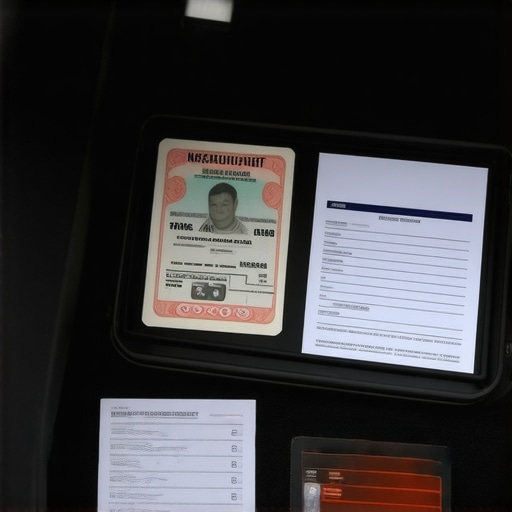
I spent a week deconstructing a high-net-worth policy after a fire. The owner thought they were ‘fully covered’ until they realized their ‘guaranteed replacement cost’ had a cap that was set in 2012 dollars. They lacked the original declarations page in an accessible format when the power went out. The carrier took three weeks just to verify the limits while the ashes cooled. This is why the glovebox is not a trash bin for old napkins. It is a legal vault for car insurance and business insurance assets. Most people treat their vehicle glovebox as a graveyard for fast food receipts and expired registration cards. This is a catastrophic failure of risk management. When a collision occurs, the forensic clock starts ticking. The carrier’s primary goal is not to help you, but to protect their own loss ratio. They look for gaps in documentation to deny or diminish your recovery. Your glovebox must contain the primary evidence to stop their subrogation defense before it begins. If you are a business owner, this is even more vital. A commercial auto policy is a complex web of liability limits that requires immediate verification at the scene to prevent legal exposure. Insurance is not a service. It is a contract. Contracts are won or lost based on the physical evidence you can produce while the engine is still smoking.
The evidence that carriers cannot ignore
Primary insurance declarations pages, current vehicle registration documents, and signed witness contact logs constitute the foundational evidence required to trigger the duty to indemnify. These documents establish the contractual nexus between the insured party and the underwriter immediately following a covered peril or vehicular collision. Without these, you are relying on the carrier’s digital records, which can be ‘unavailable’ during critical moments of the claim filing process. The best insurance strategy relies on physical redundancy. You need a copy of your full policy, not just the ID card. The ID card only proves you have a policy number. It does not define the limits of liability, the exclusions for permissive users, or the specific endorsements that might apply to a commercial vehicle. If you are involved in a multi car pileup, the officer on the scene will ask for your ‘papers.’ If you hand over an expired card or a digital screen that won’t load, you are already losing the psychological battle of the claim. The police report will reflect your lack of preparation. This creates a ‘moral hazard’ flag in the adjuster’s software. They assume that if you are disorganized with your paperwork, you are likely at fault for the accident.
“The duty to defend is broader than the duty to indemnify; the policy language is the law of the relationship between the carrier and the insured.” – Contractual Law Maxim
The ghost in the fine print
Exclusionary endorsements, limitations of liability, and subrogation waivers are often hidden in the fine print of your health insurance and car insurance documents. Most policyholders never read these until it is too late. For example, a standard personal auto policy often excludes ‘delivery of property for a fee.’ If you are using your car for a side hustle and get into a wreck without a commercial endorsement, your ‘full coverage’ is a mathematical fiction. Keeping a copy of your specific endorsements in the glovebox allows you to review your obligations immediately. You have a ‘duty to cooperate’ with the insurance company, but you also have a right to know what you are covered for before you give a recorded statement. Adjusters are trained to ask leading questions. If you have your policy in front of you, you can ensure your answers do not accidentally trigger a ‘business use’ exclusion that wasn’t intended. The math of insurance is based on the ‘law of large numbers,’ but your claim is a single data point that they want to minimize. [image_placeholder_1] Legal insurance advocates often point out that the person with the best records wins the settlement negotiation. In a court of law, a contemporaneous note written on the back of an insurance form is often more valuable than a testimony given six months later. You should keep a dedicated notebook in your glovebox specifically for accident details. This notebook should include the date, time, weather conditions, and the exact words spoken by the other driver. If they say ‘I am so sorry, I didn’t see you,’ that is an admission of liability that needs to be captured in writing immediately.
Tactical inventory for a successful recovery
Documenting the scene, identifying the tortfeasor, and preserving the chain of evidence are the three pillars of a successful business insurance or car insurance claim. You must have a physical checklist. This checklist should include steps to take before the tow truck arrives. Once your car is towed, your access to the ‘crime scene’ is gone. If the other driver is uninsured or underinsured, your own policy’s UIM coverage kicks in, but only if you can prove the other driver’s lack of coverage. This requires getting their specific policy information at the scene. Do not trust them to ‘text it to you later.’ They won’t. You need to see the card, verify the expiration date, and write down the carrier’s name. Below is a comparison of how different documents impact your financial recovery over time.
| Document Type | Immediate Impact | Long-Term Recovery Value |
|---|---|---|
| Declarations Page | High – Establishes Limits | Critical for Litigation |
| Registration | Legal Compliance | Low – Only proves ownership |
| Incident Log | Moderate – Helps Police | High – Counters false testimony |
| Medical ID Card | Immediate – Access to Care | Critical for Personal Injury |
The lethal risk of the handshake agreement
Oral promises, informal settlements, and handshake deals at the scene of an accident are the primary causes of legal insurance disputes. Never agree to ‘keep insurance out of it’ just because the damage looks minor. A bumper scratch can hide $5,000 in sensor damage. If you don’t exchange the proper documents and keep them in your glovebox, you have no recourse when the other driver stops answering your calls. This is particularly true for health insurance claims arising from auto accidents. Soft tissue injuries often take 48 hours to manifest. If you haven’t secured the other driver’s insurance information, you are left paying the deductible and the medical bills out of your own pocket. The ‘Reasonable Expectations’ doctrine in insurance law suggests that a policy should cover what a reasonable person expects it to cover, but this doctrine is often limited by the actual written text. If you don’t have the text, you have no leverage. Actuarial loss cost modeling shows that drivers who fail to report an accident within the first 24 hours see a 30 percent decrease in the final settlement offer. The glovebox documents facilitate this speed. They are the friction reducers in a system designed to be slow.
“Standardized forms from the Insurance Services Office (ISO) dictate the recovery ceiling regardless of verbal promises made by an agent.” – ISO Regulatory Standard
The three words that kill a claim
Proximate cause, material misrepresentation, and pre-existing damage are the three concepts that carriers use to deny your car insurance or business insurance filing. If an adjuster can prove you lied about any document, the entire policy is void. This is why having the original, correct documents in your glovebox is so important. If you show them a registration that doesn’t match the driver, you’ve handed them a reason to walk away. The actuarial reality is that insurance companies spend millions on ‘Special Investigation Units’ (SIU) to find these discrepancies. Your glovebox is your first line of defense against an SIU audit. If your documents are in order, you are not a target. If they are messy, you are a ‘person of interest.’ Consider the following checklist for your next policy audit.
- Valid Insurance Identification Card with current dates.
- A copy of the current Declarations Page showing all coverages.
- State-mandated vehicle registration document.
- Emergency contact list including your insurance agent’s direct line.
- A physical accident report form (standard ISO format preferred).
- Pen and a dedicated notepad for contemporaneous notes.
- Disposable camera or a list of required photo angles for your smartphone.
The truth about the best insurance is that it only works if you are prepared for the failure of the system. Carriers raise prices on loyal customers while stripping away coverage. They hope you don’t notice the ‘Change in Terms’ notices they mail you once a year. By keeping your current documents in your glovebox, you are maintaining a record of what you paid for. This is your contract. This is your shield. Do not treat it with anything less than forensic precision. Your financial survival depends on the paper in that plastic compartment. If you are a business owner, your entire company could be at risk if a commercial vehicle is involved in a ‘nuclear verdict’ lawsuit. Having the correct MCS-90 endorsement or high-limit umbrella info ready can change the trajectory of the litigation before it even reaches the courthouse steps. Preparation is not an option. It is a requirement for anyone who understands the true nature of risk in a litigious society.