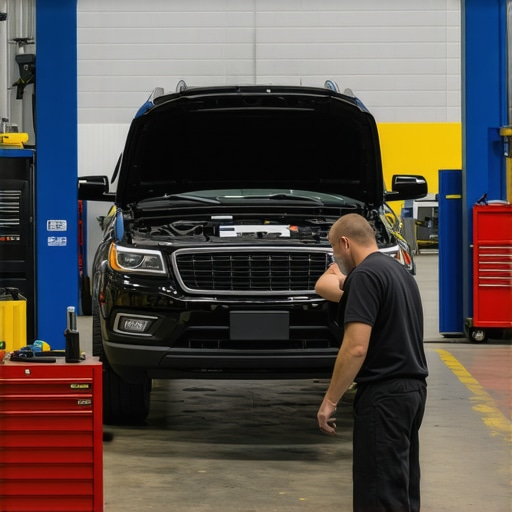
I watched a client lose their right to recover damages from a negligent contractor because they signed a waiver of subrogation in a simple service contract without realizing they were voiding their own insurance coverage. This pattern repeats daily in the world of car insurance. A driver gets into a minor fender bender. The other carrier calls within forty-eight hours with a check for two thousand dollars and a document labeled Release of All Claims. The driver signs, the check clears, and then the body shop discovers a bent frame rail that costs eight thousand dollars to pull. The carrier points to the signature and walks away. Your car is now a mathematical liability, and you have no legal recourse. This is not an accident of the system. It is the system functioning exactly as designed to protect carrier reserves.
The lethal finality of a premature signature
A release is a legally binding contract that terminates the liability of the insurance carrier and the at-fault driver in exchange for a specific settlement amount. Once signed, this document precludes you from seeking further compensation for property damage, diminished value, or hidden mechanical failures. It represents the absolute end of the insurer duty to indemnify under most state contract laws.
Insurance adjusters are trained in the art of the quick close. From an actuarial perspective, a claim that stays open for sixty days costs significantly more than one closed in three. This is due to administrative overhead, potential litigation risk, and the fluctuation of part prices. When a carrier pressures you to sign a release before the car is fully disassembled, they are betting that the latent damage is worth more than the check they are cutting. In the world of forensic underwriting, we call this the settlement spread. The carrier wins the moment you trade your right to a full repair for the convenience of a quick check. Most business insurance policies and standard car insurance forms contain language that allows the carrier to settle on your behalf, but when you are dealing with a third-party claim, the signature is entirely your responsibility. Do not be fooled by the friendly tone of the adjuster. They are not your neighbor. They are a fiduciary for their shareholders, and their goal is to minimize the indemnity spend.
“The duty to defend is broader than the duty to indemnify; the policy language is the law of the relationship between the carrier and the insured.” – Contractual Law Maxim
The three words that kill a claim
Hidden structural damage, supplemental repair estimates, and diminished value are the primary reasons to avoid early settlements. Modern vehicles are complex machines with crumple zones and sensors that often show no external signs of failure. A release signed today is a waiver of your right to discover these expensive realities tomorrow.
Consider the logic of a supplemental estimate. A body shop provides an initial quote based on a visual inspection. This is almost always an underestimate. Once the bumper cover is removed, the shop often finds crushed impact absorbers or compromised cooling systems. If you have already signed a release, the carrier has no legal obligation to pay for these supplements. You are left holding the bill for the delta between the initial estimate and the actual cost of restoration. Furthermore, the concept of diminished value is often ignored in early settlement offers. Even if the car is fixed perfectly, its resale value has plummeted because it now has an accident history on its vehicle report. A full release usually waives your right to claim this loss of equity. This is where legal insurance or a sharp attorney becomes necessary to navigate the manuscript endorsements that carriers use to limit their exposure.
| Feature | Partial Release (Property Only) | Full Release (All Claims) |
|---|---|---|
| Vehicle Repairs | Covered up to agreed limit | Terminated at signature |
| Medical Bills | Remaining Open | Terminated at signature |
| Hidden Damage | Subject to supplemental claims | Forfeited |
| Diminished Value | Often Negotiable | Forfeited |
The actuarial fiction of quick settlements
Carriers use historical loss data to determine the minimum amount a claimant will accept to go away quietly. This is a cold calculation based on regional litigation trends and the average cost of parts in your specific zip code. By signing early, you are validating their low-ball statistical model at your own expense.
I have spent years deconstructing the math behind these offers. The carrier knows that most people are cash-strapped and stressed after an accident. They use this psychological pressure to force a signature. In some jurisdictions, the law of proximate cause determines that any damage flowing from the accident should be covered, but a signed release bypasses this legal protection. It replaces the law with a private contract. If you are a business owner, this is even more dangerous. Business insurance claims involving fleet vehicles can trigger complex subrogation chains. If your driver signs a release without authorization, they might be voiding the coverage for the entire fleet for that specific incident. This creates a gap in your risk management strategy that no amount of premium can fix. The signature is the ultimate weapon in the insurer arsenal. It is the only thing that can stop the bleeding of their capital once liability is established.
“Insurance policy provisions must be construed to maximize coverage for the insured, but a signed release is a separate contract that supercedes the policy’s primary obligations in many jurisdictions.” – ISO Regulatory Advisory
The checklist for policy protection
- Never sign a document titled Release, Waiver, or Settlement until the car is back in your possession.
- Demand a teardown inspection by a certified technician before discussing final numbers.
- Ensure the release specifically excludes supplemental property damage.
- Consult with a forensic appraiser to calculate the diminished value of the vehicle.
- Review the subrogation clauses in your own policy to ensure you aren’t violating your own contract.
The path to a fair recovery is paved with patience. The carrier will tell you that the offer is only valid for a certain time. This is a common tactic. In reality, the statute of limitations for property damage is usually measured in years, not days. There is no mathematical or legal reason to rush into a signature. The only entity that benefits from a fast release is the insurance company. They get to close a file and move a liability from their balance sheet to yours. You should treat every accident like a high-stakes negotiation. The car is the asset, the policy is the law, and the release is the surrender. Do not surrender until you know exactly what you are giving up. The coffee in the adjuster’s office is cheap, but the cost of a premature signature is incredibly high. If you value your financial stability, keep your pen in your pocket until the grease and metal tell the full story of the damage.