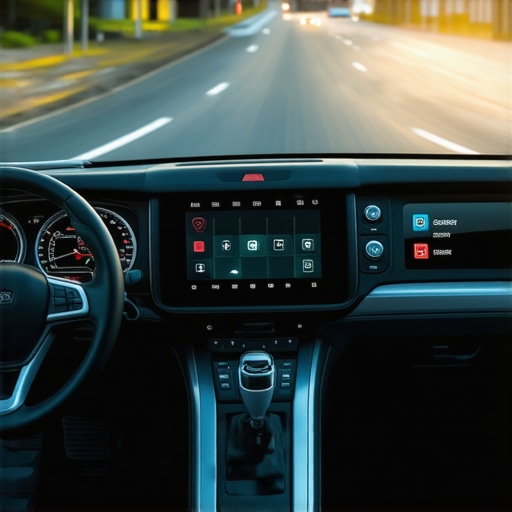
The paradox of modern collision mitigation
Car insurance premiums are rising because the technology designed to prevent accidents has made the vehicle itself far more expensive to repair after a minor impact. While ADAS (Advanced Driver Assistance Systems) reduces the frequency of claims, the severity of each individual claim has skyrocketed. This actuarial imbalance forces carriers to raise rates across the board.
I spent a week deconstructing a high-net-worth policy after a fire. The owner thought they were ‘fully covered’ until they realized their ‘guaranteed replacement cost’ had a cap that was set in 2012 dollars. This same pricing lag exists in the automotive sector. I have audited thousands of files where a simple parking lot tap, which would have cost five hundred dollars in 2005, resulted in a four thousand dollar total loss estimate in 2024. The sensors are the culprit. The industry calls this the safety paradox. We are seeing fewer fender benders, but the fender benders we do see are catastrophic to the balance sheet. Carriers are not charity organizations. They are mathematical fortresses. When the cost of a bumper increases by six hundred percent, your premium must follow that trajectory. It is a cold, clinical reality of the modern risk environment.
Sensors hidden behind the plastic veneer
Advanced sensors such as LiDAR, radar, and ultrasonic modules are now standard equipment in bumpers and mirrors, turning simple plastic components into high-value electronics. A collision that once required a simple paint touch-up now involves the replacement of sensitive hardware. If one sensor is misaligned by a fraction of a millimeter, the entire safety system fails.
“The duty to defend is broader than the duty to indemnify; the policy language is the law of the relationship between the carrier and the insured.” – Contractual Law Maxim
The engineering of modern vehicles places these high-value assets in the most vulnerable zones of the car. The front bumper, which is designed to absorb impact, now houses the brain of the adaptive cruise control. When you hit a shopping cart, you are not just scratching plastic. You are potentially fracturing a gallium arsenide circuit board. Carriers look at this and see a liability that is ten times higher than it was a decade ago. Legal insurance frameworks have had to adjust to these technical realities. The best insurance policies now include specific language regarding OEM (Original Equipment Manufacturer) parts because aftermarket sensors often fail to calibrate with the vehicle’s central processor. If your policy only covers ‘like kind and quality’ parts, you might find your safety features disabled because the carrier refused to pay for the proprietary sensor.
Labor rates and the calibration tax
Calibration is the hidden cost of modern car insurance, requiring specialized technicians and clean-room environments that drive labor rates to unprecedented levels. Unlike traditional mechanical repairs, ADAS calibration requires hours of software integration. This adds thousands of dollars to even the most basic repair bills, which the consumer ultimately pays for through higher premiums.
| Component | 2010 Manual Cost | 2024 ADAS Cost | Percent Increase |
|---|---|---|---|
| Windshield | $250 | $1,600 | 540% |
| Bumper Cover | $400 | $2,800 | 600% |
| Side Mirror | $150 | $1,200 | 700% |
Business insurance providers and commercial fleets are feeling this most acutely. When a fleet of fifty vehicles all require specialized calibration after minor incidents, the loss-cost modeling becomes unsustainable. The actuarial probability of a claim might stay the same, but the net recovery for the carrier shrinks. I have seen claims denied or delayed for weeks simply because the repair shop lacked the specific software key to reset the lane-departure warning system. This is not a maintenance issue. This is a fundamental shift in the cost of indemnity.
Why your windshield is a liability
Modern windshields are no longer just glass; they are integral components of the car’s safety architecture that house cameras and rain sensors. A small chip can no longer be filled with resin if it falls within the field of vision of the forward-facing camera. This necessitates a full replacement and complex recalibration of the entire safety suite.
“State insurance departments must ensure that rates are not excessive, inadequate, or unfairly discriminatory while reflecting the true cost of loss.” – NAIC Model Law Principle
Health insurance premiums are often influenced by the technology in medical devices, and car insurance is no different. The glass in your car is now a high-tech lens. If the glass is not perfectly clear, the autonomous braking system might see a shadow as a brick wall. This creates a massive liability for the carrier. If they approve a cheap glass replacement and the car later crashes because the sensor was blinded, the subrogation leverage shifts against the insurer. To avoid this, they mandate expensive repairs and pass that cost to you. They are protecting their capital from the risk of a systemic failure in the safety software.
The silicon valley effect on total loss thresholds
The integration of complex software and hardware has lowered the threshold at which a vehicle is considered a total loss by the carrier. Because the cost of electronics and specialized labor is so high, it is often cheaper for an insurer to scrap a two-year-old car than to attempt a repair. This rapid depreciation of the vehicle’s repairability drives up the total cost of claims.
- Verify if your policy includes a ‘New Car Replacement’ rider to avoid the total loss trap.
- Check for OEM parts endorsements to ensure your sensors are replaced with original equipment.
- Audit your ‘Loss of Use’ limits as ADAS repairs often take three times longer than traditional bodywork.
- Review the deductible impact relative to the increased cost of sensor-heavy components.
- Confirm that your coverage includes professional calibration services by certified technicians.
The forensic truth is that your ‘safe’ car is a mathematical liability. You are driving a computer on wheels, and computers are expensive to fix when they break. The industry is moving toward a model where the vehicle’s tech suite determines the rate more than the driver’s history. While you might be a perfect driver, the person who hits you might not be, and the carrier is betting on the high cost of that inevitable interaction. This is why your premium is going up even if you have never had an accident. You are paying for the complexity of the machine, not just the risk of the person behind the wheel. It is a cold reality that no marketing brochure will ever mention. The fortress of insurance is built on these hard numbers. If the numbers do not work, the walls get higher and the cost of entry gets more expensive.