The algorithm is a mathematical liar
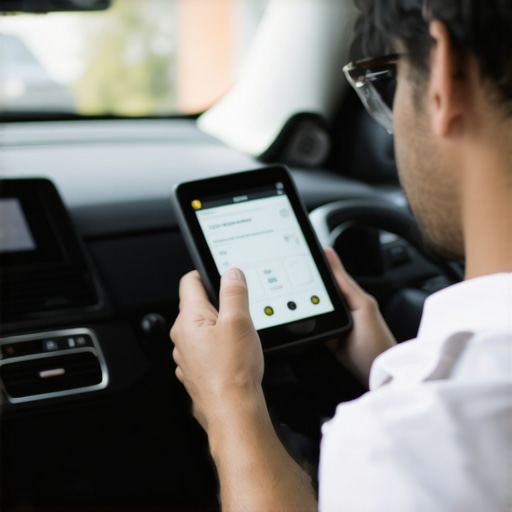
Car insurance companies use telematics devices and mobile apps to monitor driving behavior through proprietary algorithms. While these systems automate premium discounts, they often misinterpret hard braking or rapid acceleration events. A manual review forces an underwriter to adjust the risk profile based on factual context.
I spent a week deconstructing a high-net-worth policy after a fire. The owner thought they were fully covered until they realized their guaranteed replacement cost had a cap that was set in 2012 dollars. The same rot exists in the car insurance sector. Most drivers install a tracking device and assume the numbers are objective. They are not. The sensors in your smartphone or the OBD-II port are blunt instruments. They measure G-force. They do not measure intent. They do not see the child running into the street that forced you to slam on the brakes. They only see a spike in the data. To the algorithm, you are a high-risk liability. To a human underwriter, you are a defensive driver. This distinction is the difference between a forty percent discount and a rate hike. The carrier wants you to accept the automated score because it favors their loss-cost ratios. You must challenge the math.
The failure of predictive modeling
Predictive modeling in car insurance relies on the law of large numbers to assign risk scores to individual policyholders. These actuarial models frequently fail because they cannot account for external variables like road conditions or traffic patterns. Requesting a manual review identifies data outliers that skew your insurance premium.
When you look at the best insurance options, you are looking for more than a low price. You are looking for a contract that holds up under forensic scrutiny. Business insurance and health insurance follow strict underwriting guidelines, yet personal auto insurance has become a playground for unchecked software. If you drive a performance vehicle, the sensors may flag your cornering as aggressive. If you live in an urban area with high traffic, the frequent stops are logged as negative events. The software is designed to find risk where none exists. It is a revenue protection tool for the carrier. I have seen clients whose legal insurance had to be triggered just to force a carrier to look at the raw data packets. The carrier knows that ninety-nine percent of people will never ask for the manual audit. They bank on your ignorance. They want you to believe the computer is infallible. It is a mathematical fiction designed to squeeze the consumer.
“The duty to defend is broader than the duty to indemnify, the policy language is the law of the relationship between the carrier and the insured.” – Contractual Law Maxim
The right to a human underwriter
Insurance consumers have a legal right to dispute automated decisions made by telematics software under fair credit reporting and state insurance laws. A manual underwriter review involves a human auditor examining the raw data to verify driving safety. This process often restores lost discounts and reduces monthly premiums.
The path to savings starts with a formal demand. You do not ask your local agent for help. They are usually just salesmen with a limited understanding of the data back-end. You must contact the underwriting department or the high-level customer advocacy team. Tell them you are disputing the validity of the telematics data. Mention that the data does not accurately reflect your risk as a driver. In states with strict insurance departments, carriers are wary of being accused of unfair discrimination. The National Association of Insurance Commissioners is clear on this. Rates must not be arbitrary. If the computer is making arbitrary decisions based on faulty sensor data, the carrier is in violation of the spirit of the law.
“Insurance rates shall not be excessive, inadequate, or unfairly discriminatory.” – National Association of Insurance Commissioners (NAIC)
The math of a manual review is simple. You are looking for specific instances where the device logged an event that you can explain. Did you hit a pothole? That looks like a hard brake to an accelerometer. Did you accelerate to avoid a collision? That is a positive safety move, not a risk factor. The underwriter has the authority to override the system. They have the power to apply a manual credit. This is how you win. You use their own data against them by providing the narrative they lack.
| Data Point | Automated Interpretation | Manual Review Correction |
|---|---|---|
| Hard Braking | Aggressive driving/Risk | Defensive maneuver/Accident avoidance |
| Late Night Driving | High fatigue risk | Employment necessity/Lower traffic density |
| Rapid Acceleration | Speeding tendency | Merging safety/Highway entry |
| Cornering G-Force | Loss of control risk | Suspension calibration/Road geometry |
The friction between data and intent
Telematics sensors lack the contextual awareness to differentiate between voluntary risk and necessary safety maneuvers during driving events. A manual review bridges the information gap between raw data packets and actual driver performance. This forensic audit is the most effective way to lower car insurance costs.
Carriers talk about a seamless experience. What they mean is a process where no human has to think. When you force them to think, you create friction. Friction is expensive for them. Often, they will grant the discount just to make you go away. They do not want to spend five hours of an underwriters time analyzing your commute to save you two hundred dollars. But you should want that. You should demand it. If you have business insurance or high-limit health insurance, you know that everything is negotiable. Car insurance is no different. The policy is a contract. If the data being used to price that contract is wrong, the price is wrong. I have seen premiums drop by thirty percent after a single phone call where the insured provided a dashcam video that contradicted the telematics report. The camera showed a clear road. The telematics device showed a hard brake. The reason? A software glitch during a firmware update. Without the manual review, that driver would have paid the penalty for years.
The checklist for a policy audit
- Request the raw CSV file of your telematics data from the carrier portal.
- Identify every hard braking event over the last ninety days.
- Cross-reference event timestamps with your personal calendar or dashcam footage.
- Draft a formal dispute letter citing the specific inaccuracies in the data.
- Demand a manual override from a senior underwriter.
- Review the policy endorsements to ensure no silent exclusions were added.
The industry is changing. Carriers are moving toward continuous underwriting. They want to adjust your rate every month based on your data. This is a nightmare for the consumer. It means your premium is never fixed. It means you are always one pothole away from a price hike. By mastering the manual review process now, you are building a defense against the future of the industry. You are asserting that you are a human being, not a data point. The math is on their side only if you stay silent. Use the forensic approach. Demand the audit. Save the money.
{“@context”:”https://schema.org”,”@type”:”Article”,”headline”:”How to Save on Car Insurance by Asking for a Telematics Manual Review”,”author”:{“@type”:”Person”,”name”:”Forensic Underwriter”},”description”:”Learn how to challenge automated car insurance telematics data and secure lower premiums through a manual underwriter review.”,”tableOfContents”:”https://schema.org/Table”}