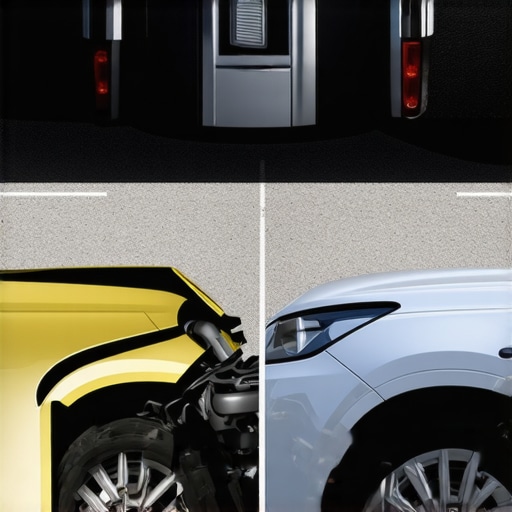
I spent a week deconstructing a high-net-worth policy after a multi-vehicle pileup involving a client with a supposed silver-bullet policy. The owner thought they were fully covered until they realized their collision deductible applied to every single impact point because the carrier argued each strike was a separate occurrence. This is the reality of the industry. Most policyholders treat their car insurance like a safety net when it is actually a legal fortress with very specific entry points. The difference between collision and comprehensive is not just a matter of preference. It is a matter of actuarial math that determines whether you are building equity in your risk profile or simply burning cash for the benefit of a carrier balance sheet. You are likely overpaying for risks that will never materialize while leaving your flank exposed to the ones that will.
The physical limits of collision coverage
Collision insurance covers physical damage to your vehicle resulting from an impact with another automobile or a stationary object like a guardrail or tree. It functions as a first-party coverage where the proximate cause is kinetic energy and driver error or external contact with the roadway. The carrier pays for the repair or Actual Cash Value minus your deductible. This coverage is usually mandated by lienholders and leasing companies to protect their collateral from total loss during the policy term.
Collision is the most expensive component of your premium for a simple reason. Human error is predictable and frequent. The actuarial tables for collision are built on the frequency of distractions, speed, and environmental conditions. When you opt for a low deductible on collision, you are essentially asking the insurance company to prepay your small mistakes at a massive markup. I have seen clients pay an extra four hundred dollars a year to keep a two hundred fifty dollar deductible. The math is offensive. You are betting that you will have a collision every seven months just to break even on the premium difference. The carrier loves this bet. They know the average driver goes years between at-fault accidents. By raising your collision deductible to one thousand dollars, you are assuming the risk of small fender benders while protecting against the catastrophic total loss that would actually impact your net worth.
“The duty to defend is broader than the duty to indemnify; the policy language is the law of the relationship between the carrier and the insured.” – Contractual Law Maxim
The chaos of the comprehensive world
Comprehensive coverage protects against non-collision events such as theft, vandalism, fire, hail, and animal strikes. It is often referred to as Other Than Collision or OTC in ISO standard forms because it captures the unpredictable risks of the environment. Carriers price this premium based on geographic location and crime statistics rather than driver history or individual behavior. It is the best insurance for catastrophic acts of God that fall outside your personal control as a motorist.
Comprehensive is where the legal loopholes live. Many people assume that if their car is damaged and it was not their fault, it must be comprehensive. This is a fallacy. If a tree falls on your car while it is parked, that is comprehensive. If you drive into a fallen tree that is already on the road, that is collision. The difference is the status of the object at the moment of impact. This distinction is vital because comprehensive deductibles are often lower and the claims do not typically trigger the same premium surcharges as collision claims. In high-risk regions like Florida or the hail-prone plains of the Midwest, the comprehensive component is the only thing standing between you and a total financial write-off. The litigation crisis in certain states has led carriers to tighten the language around what constitutes a covered peril under OTC, making it necessary to audit your policy for specific exclusions like civil unrest or localized flooding.
| Feature | Collision Coverage | Comprehensive Coverage |
| Primary Trigger | Impact with vehicle/object | Theft, Fire, Weather, Animals |
| Cost Factor | Driver history and age | Zip code and vehicle value |
| Premium Weight | High (Frequent claims) | Low to Moderate (Severe claims) |
| Fault Assignment | Usually at-fault or split | Acts of God/No-fault |
| Deductible Strategy | High (save on premium) | Low (unpredictable nature) |
Why your full coverage is a mathematical fiction
Full coverage is a marketing term used by brokers to describe a bundle of collision, comprehensive, and liability, but it lacks a legal definition. In contract law, no policy is universal because every endorsement contains exclusions for wear and tear, mechanical failure, and intentional acts. Relying on this myth leads to denied claims when the insured discovers the Actual Cash Value of their vehicle is far less than their loan balance.
If you own a vehicle that has depreciated more than fifty percent, you are likely a victim of the full coverage scam. The carrier will never pay more than the car is worth at the time of the accident. If your ten-year-old sedan is worth three thousand dollars and you have a five hundred dollar deductible, the maximum the insurance company will ever write a check for is twenty-five hundred dollars. Yet, you might be paying eight hundred dollars a year for that coverage. In less than four years, you have paid the carrier the entire value of the car. This is not insurance. This is a bad loan. The forensic reality is that for older vehicles, dropping collision while keeping comprehensive is often the smartest financial move. You protect against the freak fire or theft which are low-probability but high-impact, while self-insuring against the dented bumper that would have been a total loss anyway.
“Insurance is a contract of indemnity, intended to restore the insured to the position they occupied prior to the loss, and no further.” – NAIC Principles of Underwriting
The three words that kill a claim
Proximate cause doctrine is the legal standard used to determine which coverage applies when a loss occurs from a chain of events. If efficient proximate cause is not established, the carrier may use exclusionary language such as wear and tear or prior damage to deny the indemnification. Understanding these terms is mandatory for policyholders who want to save cash and secure recovery after a disputed accident.
I have seen insurers deny a comprehensive claim for a cracked engine block after a flood because they argued the water ingestion was a secondary result of the driver attempting to start the car. They shifted the cause from an act of God to a mechanical failure caused by the operator. You must be precise in how you report a loss. The language you use in the first five minutes of a recorded statement will determine the fate of your claim. If you use the word collision when you mean comprehensive, you might trigger a higher deductible or an at-fault rating that stays on your record for years. The carrier is not your friend. They are a counterparty in a multi-billion dollar legal agreement. They are looking for reasons to categorize your loss into the bucket that costs them the least and you the most.
The checklist for the cynical policyholder
Policy audits are the only way to ensure compliance with your financial goals and avoid over-insurance on depreciating assets. A systematic review of your declarations page will reveal hidden costs and unnecessary riders that inflate your premium without adding value. You must evaluate the Replacement Cost versus Actual Cash Value to determine if your indemnity is sufficient for market volatility.
- Compare your total annual collision premium against the market value of your vehicle.
- Increase collision deductibles to one thousand dollars if you have an emergency fund.
- Keep comprehensive deductibles low to cover glass breakage and weather events.
- Check for a Gap Insurance endorsement if you owe more than the car is worth.
- Review the salvage value clause to see if you can keep the vehicle after a total loss.
- Verify if your policy uses OEM or aftermarket parts for repairs.
- Analyze the subrogation waiver language in your lease or loan agreement.
The ghost in the fine print
Subrogation rights allow an insurance company to sue a third party to recover the funds paid out on your claim. This legal process is invisible to most insureds but dictates the profitability of the carrier and the future cost of your premium. If you waive subrogation in a private settlement, you may void your right to collect from your own car insurance policy entirely.
The complexity of modern car insurance is designed to encourage passivity. The more confused you are, the more likely you are to accept the default settings which always favor the house. In the Balkans or other regions with emerging insurance markets, the lack of standardized earthquake or flood endorsements means you might be paying for comprehensive coverage that is actually just a fire policy with a fancy name. Even in the United States, the definition of an accident is being litigated daily. Is a software glitch in an autonomous driving system a collision or a comprehensive product liability issue? The industry is moving toward shifting more risk onto the consumer while maintaining the appearance of protection. Do not be the person who finds out the difference between these coverages while standing on the side of the highway. Be the person who reads the manuscript endorsements before the ink is dry. Cash is saved in the margins of the contract, not the slogans of the commercials. Every dollar you save by correctly structuring your collision and comprehensive limits is a dollar of pure profit in your personal economy. Treat your insurance like the high-stakes legal document it is. Anything less is financial negligence.